
Why a Comprehensive Eye Exam Is an Information System, Not Just a Vision Check
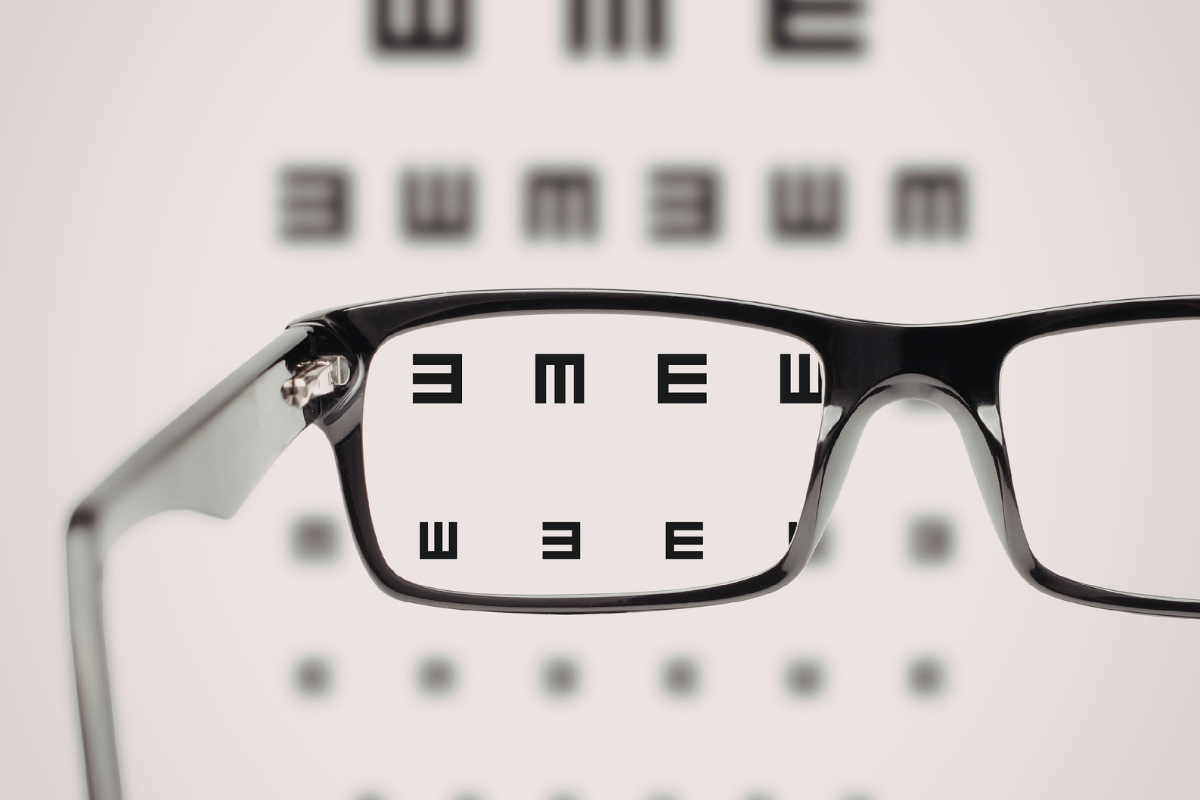
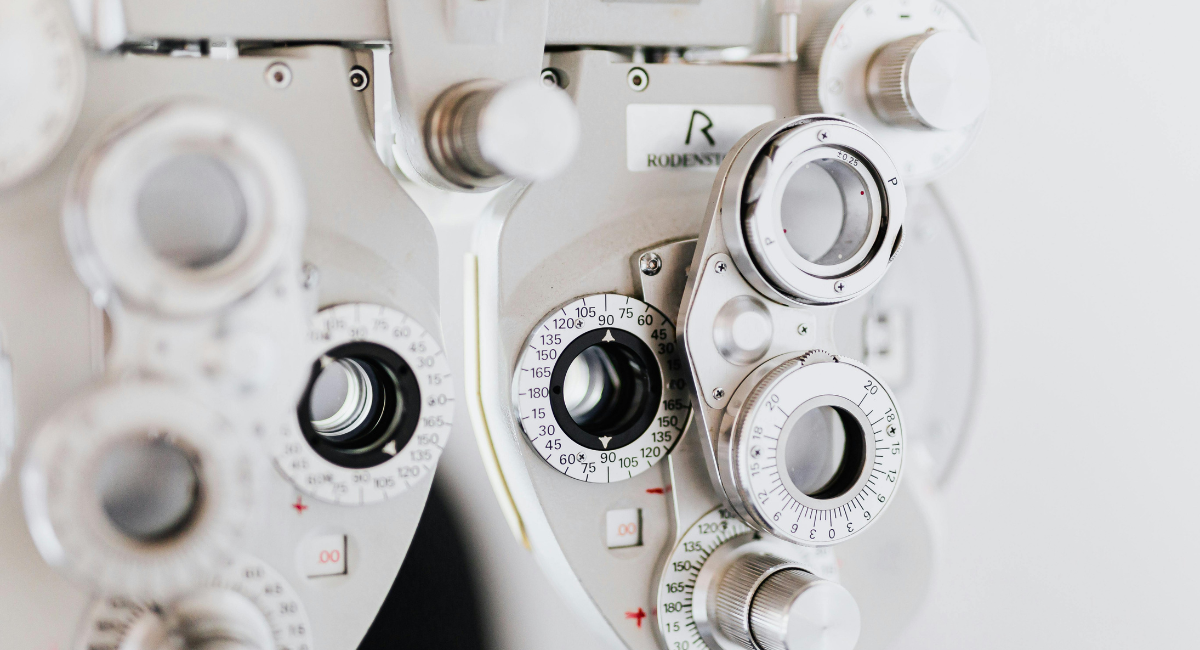
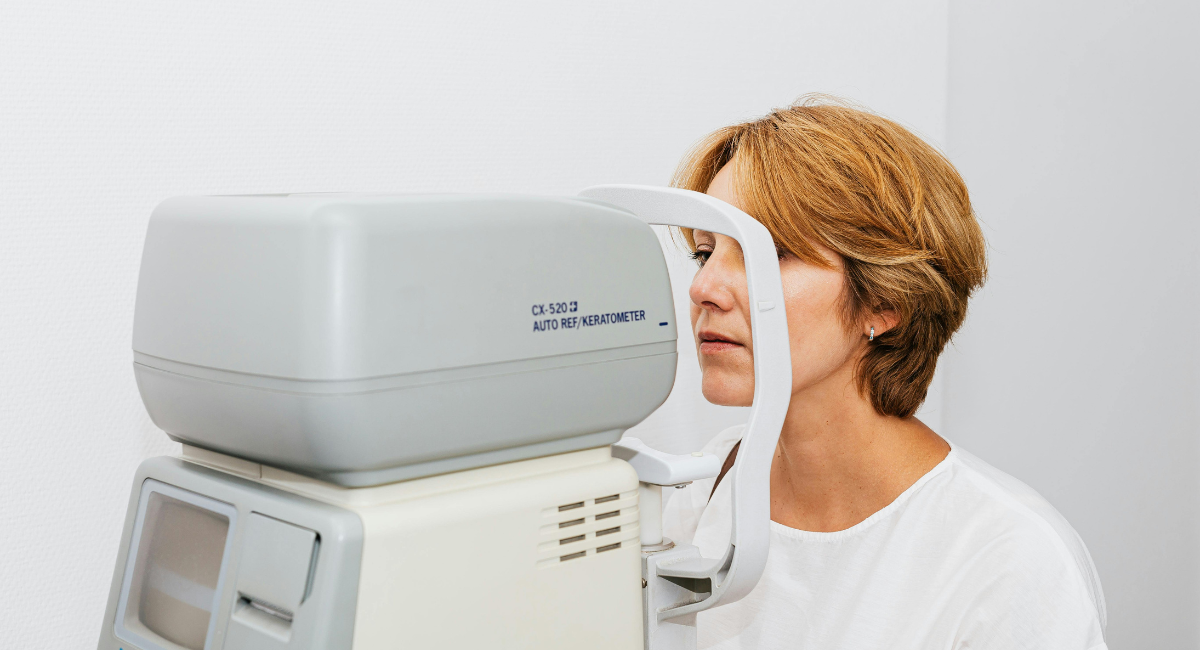
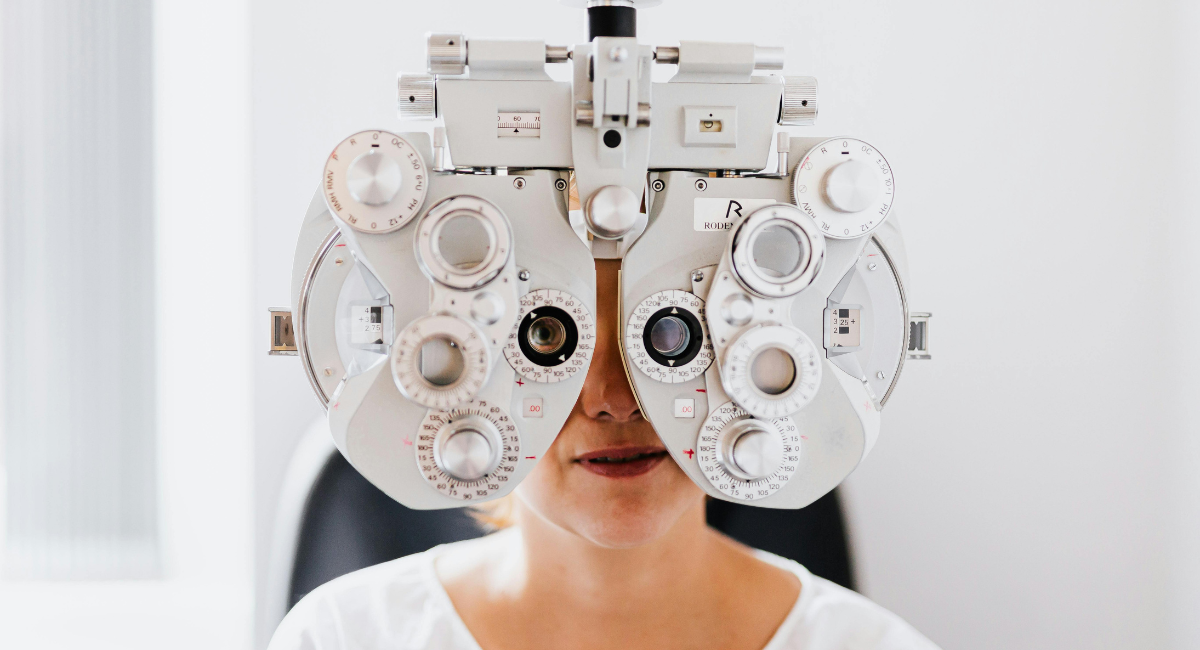
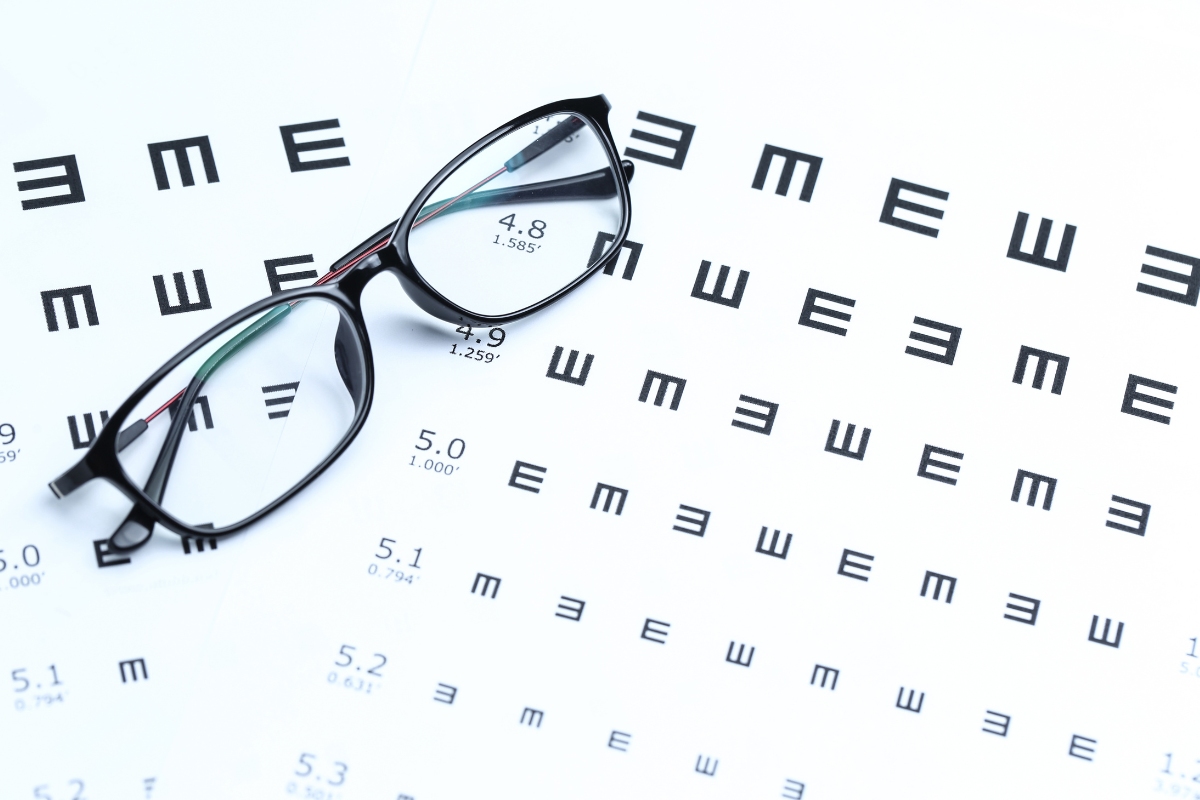
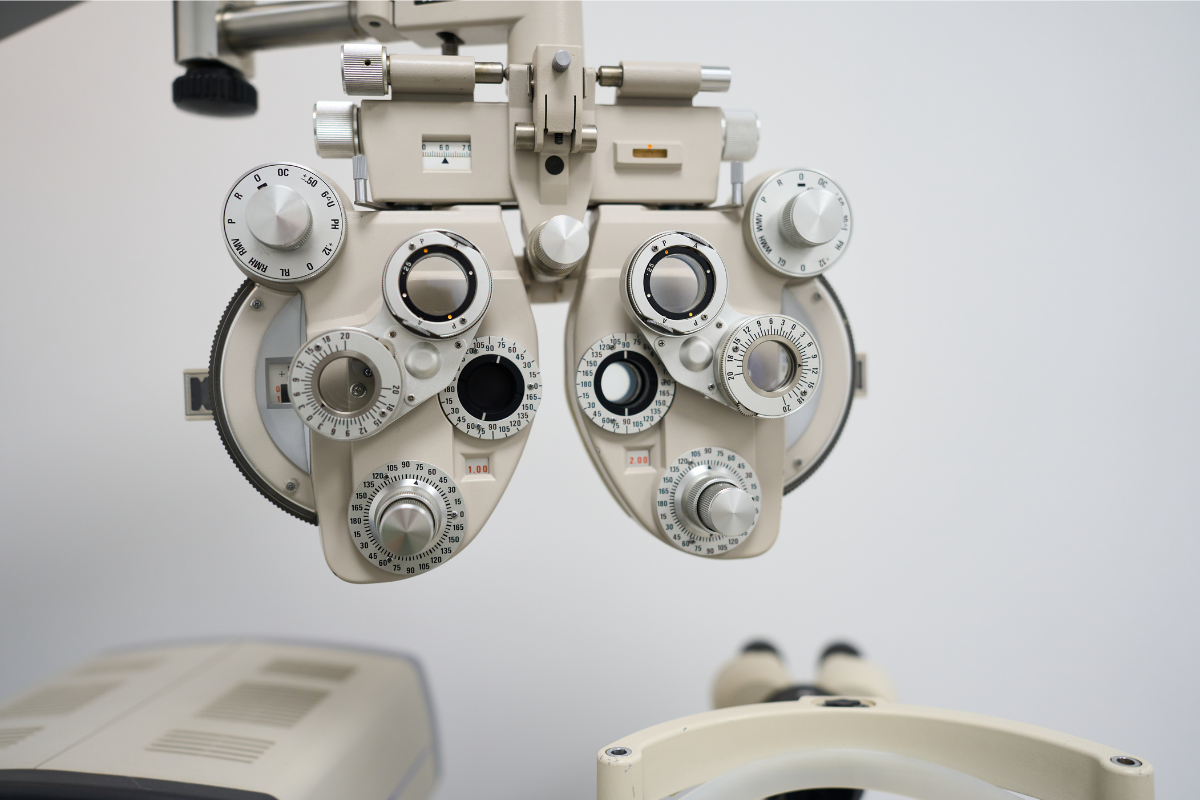
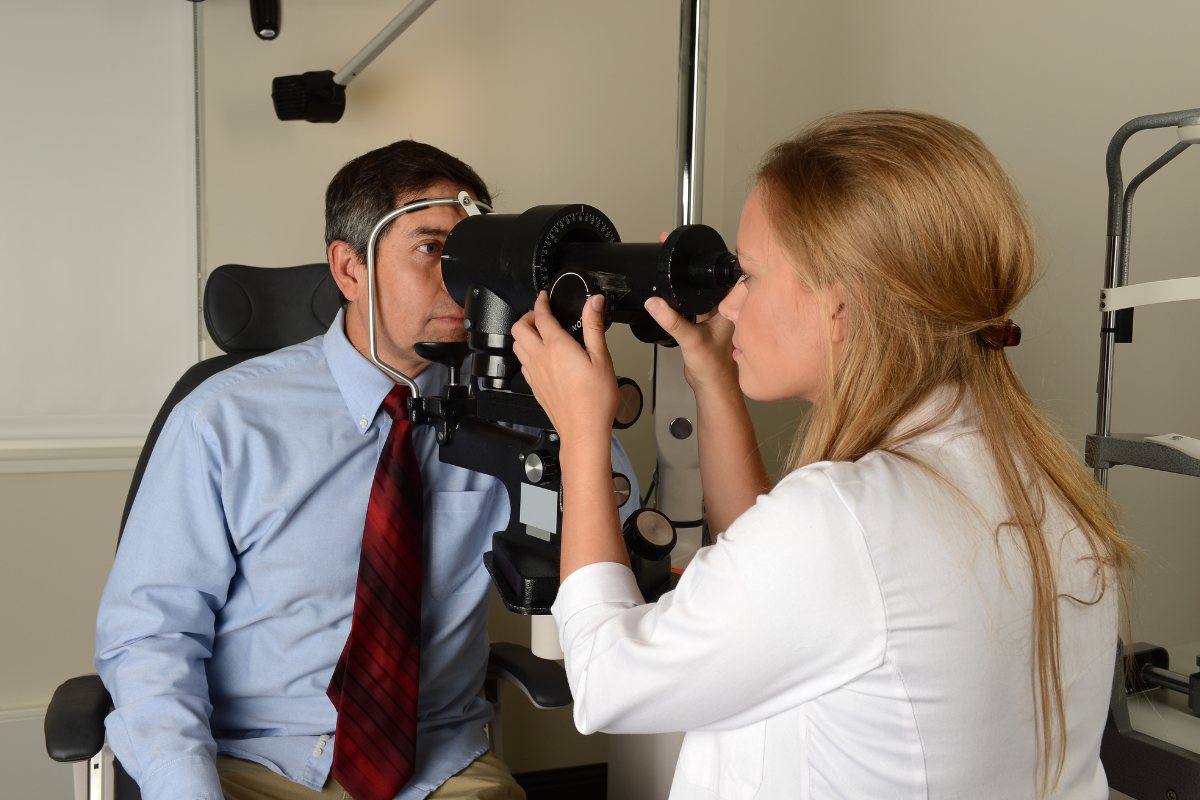
Why a Comprehensive Eye Exam Is an Information System, Not Just a Vision Check Well-designed comprehensive eye examinations turn a collection of symptoms, health history, visual measurements, and eye-health findings into decisions that can improve sight and identify problems requiring closer attention. That process is easy to underestimate. Reading an eye chart is visible and familiar, so it often becomes shorthand for the entire exam. Yet visual acuity answers only one question: how clearly a person can resolve detail under specific testing conditions. It does not fully explain eye coordination, focusing demands, pressure, retinal health, or whether a prescription works comfortably throughout a normal day. A useful comparison is a well-designed business information system. Good decisions depend on accurate inputs, appropriate measurements, meaningful comparisons, and a professional who can interpret the result. More data is not automatically better. The value comes from collecting the right information for the person in the chair. The Exam Begins Before Any Instrument Is Used Patient history is not administrative filler. It determines which questions the examination needs to answer. A subtle change …