Glaucoma Care Is a Long-Term Data Problem, Not a One-Time Test
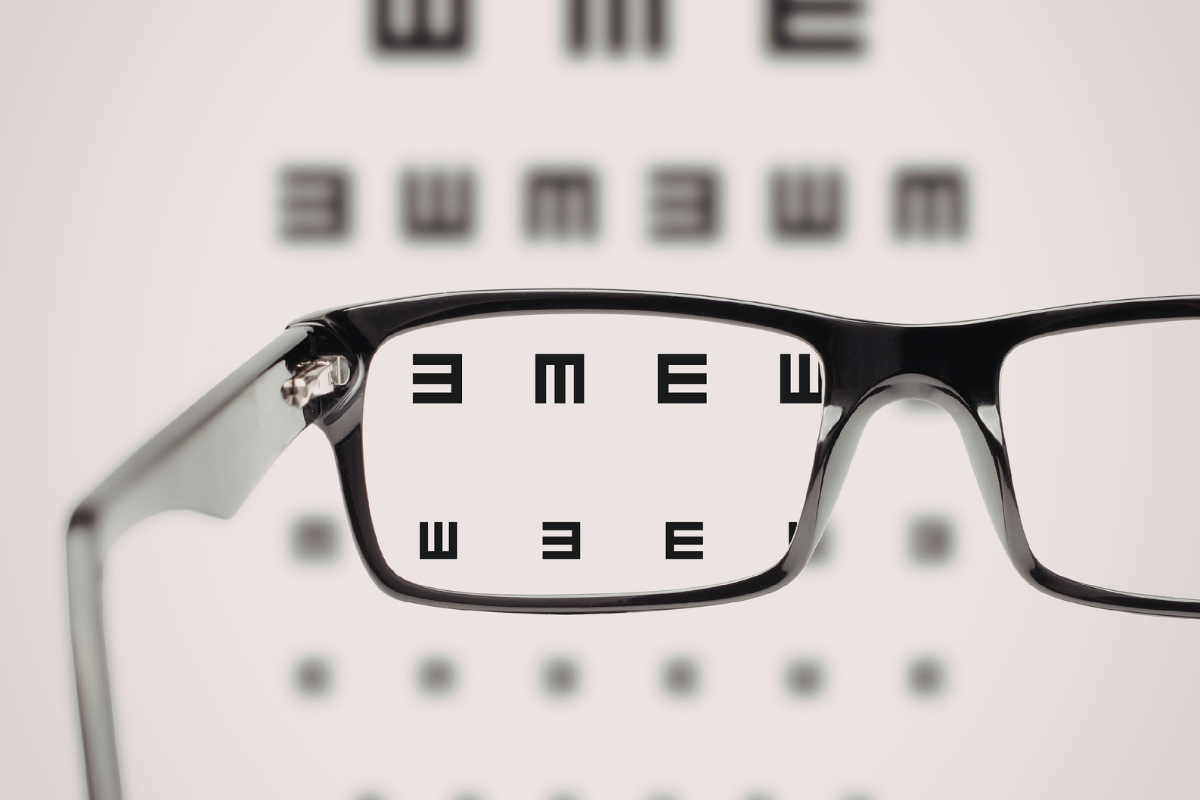
Glaucoma Care Is a Long-Term Data Problem, Not a One-Time Test Glaucoma testing and management works best when it is treated as an ongoing measurement process rather than a single pass-or-fail screening. That distinction matters because glaucoma is usually quiet in its early stages. A person may read an eye chart clearly and notice no changes while damage is beginning in the optic nerve. By the time everyday vision seems different, some loss may already be permanent. The encouraging news is that modern eye care can identify risk, establish useful baseline measurements, and monitor changes over time. This data-driven approach gives patients and eye doctors a clearer basis for deciding when observation is appropriate and when treatment may be necessary. Why Glaucoma Can Escape Notice Glaucoma refers to a group of diseases that damage the optic nerve, which carries visual information from the eye to the brain. According to the National Eye Institute , early glaucoma often causes no noticeable symptoms. Later stages may produce blind spots, reduced peripheral vision, and eventually blindness. The brain also makes early detection difficult. It is …