Eye Care in Sealy, TX: When Standard Lenses Are Not Enough
Eye care in Sealy, TX can involve more than updating a glasses prescription when vision remains distorted or contact lenses are difficult to wear. For…


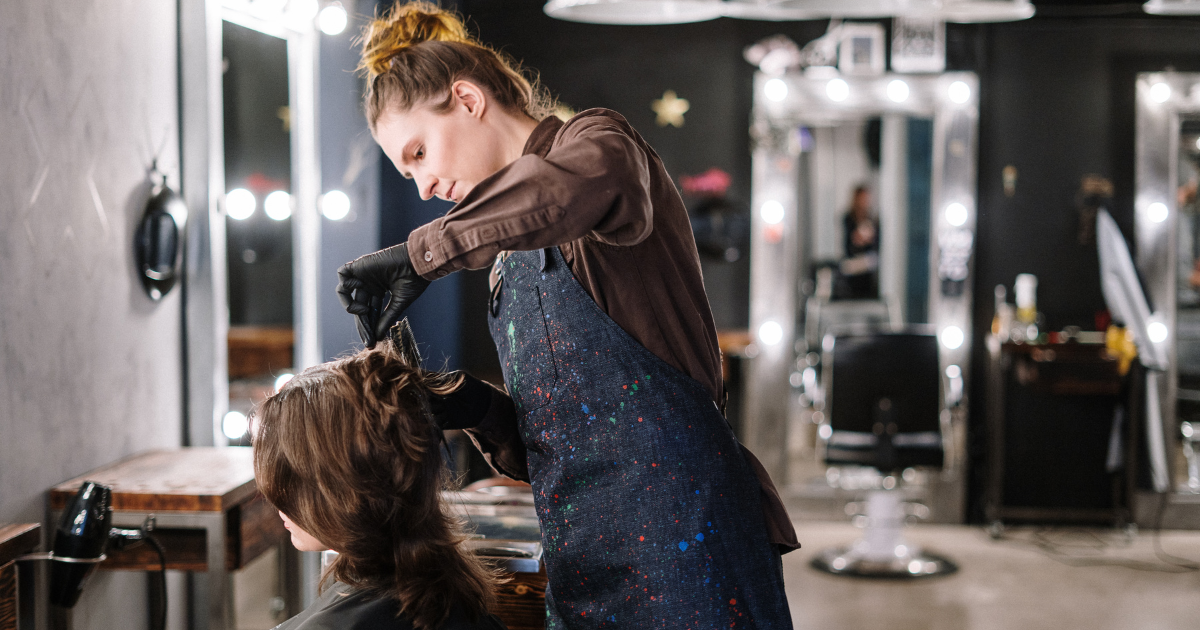
Professional hair color services work best when they are treated as a controlled process with clear inputs, realistic constraints, and a documented plan. The finished shade is highly visible, but much of the expertise behind it is not. Hair history, starting level, porosity, previous chemicals, strand strength, maintenance preferences, and lighting can all influence the result.
This makes hair color surprisingly similar to other technical projects. A stylist must understand the current system before changing it, anticipate how materials will respond, and select a path that can be maintained after the initial transformation.
Clients often begin with a photograph of the result they want. That image is useful, but the stylist also needs accurate information about the hair as it exists today.
Important inputs include:
Color cannot be planned reliably when these inputs are missing. Previously colored hair may react differently from untouched growth, even when both areas appear similar before the service. A thorough consultation helps the stylist map those differences instead of treating the entire head as one uniform surface.
A productive consultation does more than identify a target shade. It defines what success means for the client and what compromises may be necessary.
Words such as blonde, brunette, copper, warm, cool, bright, natural, and dimensional can mean different things to different people. Reference photographs help, but the stylist should ask what specifically attracts the client to each image.
One person may like the brightness around the face, while another may care more about the soft root or blended grow-out. Identifying that priority allows the color plan to focus resources where they will matter most.
Some color designs require frequent root maintenance, glossing, or tonal refinement. Others are built for a softer transition as the hair grows. Neither model is inherently better. The appropriate choice depends on time, budget, tolerance for visible regrowth, and personal preference.
The desired result may not be appropriate in one session. Moving significantly lighter, correcting uneven pigment, or changing direction after repeated dark color may require stages. A responsible stylist should explain what is achievable now, what may take longer, and which risks increase when the process is accelerated.
Hair color terminology is easier to understand when each service is connected to its purpose.
A single-process service generally applies one color formulation in a defined application. It may be used for root maintenance, gray coverage, tonal adjustment, or an overall shade change, depending on the product and starting point.
A double process involves two distinct stages, commonly lightening followed by toning. Because the final tone depends on the underlying pigment exposed during lightening, the second stage is essential rather than decorative.
Highlights selectively lighten sections of hair to create brightness, contrast, or dimension. Placement, section size, saturation, and the amount of natural hair left between sections all affect the visual result.
Balayage typically refers to a hand-painted approach, while foilayage combines painted placement with foil processing. Technique names alone do not predict the finished appearance. A subtle result and a high-contrast result can both be produced using related methods, depending on placement and formulation.
A gloss may refine tone, reduce unwanted warmth, deepen a shade, or add visual shine. It is often part of dimensional color services because lightening exposes underlying pigment that must be intentionally balanced.
Understanding these functions helps clients discuss results rather than selecting a technique simply because its name is popular online.
Hair color is not selected by matching a swatch to a photograph. The stylist considers the hair’s starting level, exposed undertone, target level, desired tone, and the capabilities of the chosen product.
The final appearance results from an interaction between several variables:
This is why copying another person’s formula is unreliable. The same mixture can create different results on hair with a different history and structure.
A professional color record serves a function similar to version history in a technical system. It can include formulas, product quantities, processing details, placement notes, and observations about how the hair responded.
At the next visit, the stylist can compare the previous plan with the actual outcome:
These records do not eliminate professional judgment. They make that judgment better informed. Color can be refined incrementally rather than reconstructed from memory at every visit.
Chemical services require careful product handling and honest disclosure from the client. Previous uneventful coloring does not guarantee that sensitivity will never develop.
The U.S. Food and Drug Administration’s hair dye guidance advises following product warnings, performing the instructed skin test before each use, wearing gloves during application, rinsing the scalp thoroughly, and never mixing different dye products.
Clients should tell the stylist about:
A strand test and a skin-sensitivity test answer different questions. A strand test can help predict how a section of hair may lift or tolerate processing. A skin test addresses possible sensitivity according to product instructions. Neither should be treated as a universal guarantee.
Color goals must be balanced against the condition of the hair. Lightening creates more structural stress than simply depositing a darker tone, especially when repeated over previously lightened areas.
The American Academy of Dermatology notes that lightening more than three shades generally requires stronger peroxide concentrations and can produce more damage. It also recommends responding promptly to burning, itching, swelling, or redness rather than treating those symptoms as a normal part of coloring.
Warning signs that may lead a stylist to modify or postpone a major change include:
A staged transformation can be a technically stronger decision than pushing for the maximum possible change in one sitting.
After a chemical service, aggressive heat styling adds another source of stress. The finishing stage should showcase the color without relying on unnecessary temperature.
A study indexed by PubMed evaluated hair-shaft damage under different blow-drying conditions. It found increasing surface damage at higher temperatures and shorter distances. Under the study conditions, keeping the dryer farther away and moving it continuously produced less damage than holding it close to the hair.
Useful finishing practices include:
Color maintenance should be designed before the service, not explained as an afterthought. The client needs to know how washing habits, heat, sun exposure, and product selection may affect the result.
A practical home plan may include:
Consumers sometimes encounter alarming or overly reassuring claims about hair dye. The evidence is more nuanced.
The National Cancer Institute’s review of hair products and cancer risk explains that older formulations differed from modern products and that research findings vary by exposure type, product, population, and cancer studied. It reports that personal use of hair dyes overall has not been classifiable as carcinogenic to humans based on the referenced evaluation, while also noting mixed findings for certain exposures.
This uncertainty is not a reason for panic or dismissal. It supports using products as directed, following safety precautions, communicating about reactions, and consulting a healthcare professional about personal risk concerns.
Technical creativity should operate within professional standards. The New York State Department of State identifies hair coloring, cutting, and chemical alteration within the licensed scope of cosmetology.
Clean hands, tools, bowls, brushes, capes, and work surfaces also matter. The Centers for Disease Control and Prevention describes hand hygiene as an effective workplace practice for reducing the spread of germs.
Clients should expect color products to be prepared and handled carefully, with instructions and timing treated as part of the technical process rather than informal suggestions.
Timothy Johns Salon offers color services in Midtown Manhattan that include single process, double process, partial and full highlights, ombré with gloss, balayage with gloss, and foilayage with gloss. Its published pricing is presented as a starting range, with final service cost affected by the stylist, time demand, hair length, condition, and consultation.
That structure reflects a practical reality: color is not a standardized unit. Two clients requesting similar visual results may require different amounts of product, time, correction, and technical work.
The strongest color outcomes begin before the first formula is mixed. Accurate history, clear visual goals, realistic timing, appropriate testing, and documented results all improve the quality of the process.
Clients contribute by sharing complete information and being honest about maintenance. Stylists contribute technical knowledge, controlled application, and a willingness to revise the plan when the hair’s condition requires it.
When color is managed as a complete system rather than a one-time cosmetic event, the result has a better chance of looking intentional, remaining maintainable, and respecting the limits of the hair. That disciplined process is what turns creative vision into repeatable professional work.