Eye Care in Sealy, TX: When Standard Lenses Are Not Enough
Eye care in Sealy, TX can involve more than updating a glasses prescription when vision remains distorted or contact lenses are difficult to wear. For…

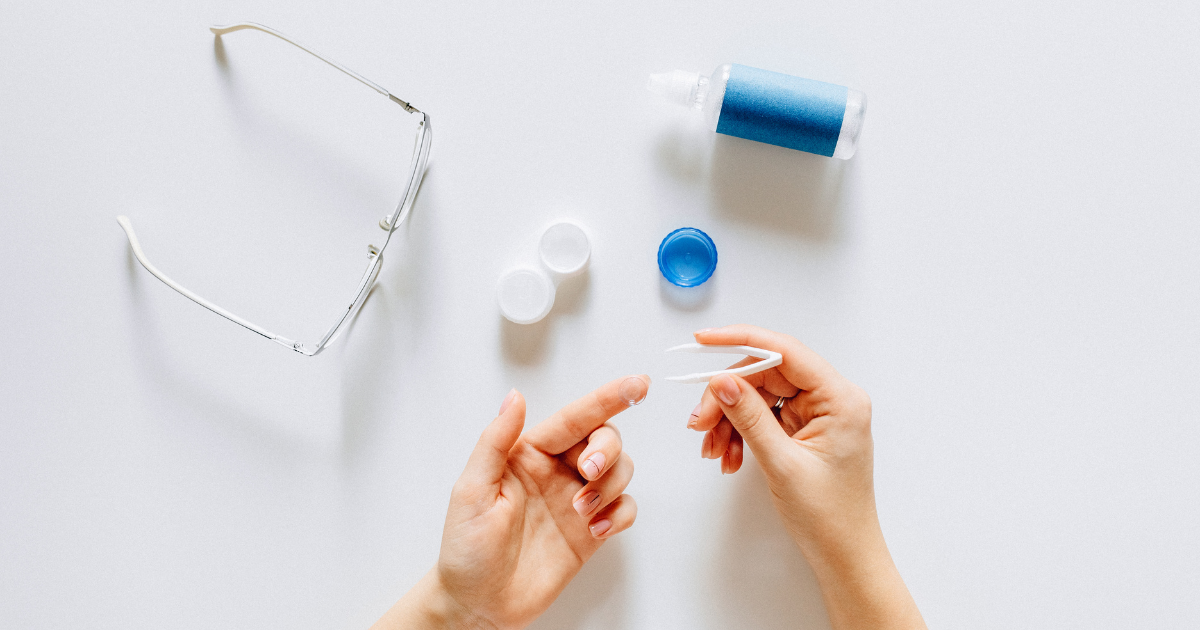
A professional contact lens exam in Cypress, TX uses detailed measurements and personalized evaluation to determine which lenses can provide clear vision while fitting the shape, tear film, and daily demands of a patient’s eyes.
Contact lenses may look simple, but they are medical devices that sit directly on the eye. A standard glasses prescription does not contain all the information needed to select a safe and comfortable contact lens.
Modern contact lens care combines vision testing, eye-health evaluation, corneal measurements, tear-film assessment, lens selection, and follow-up. These steps help the eye doctor move beyond correcting vision and evaluate how a specific lens actually performs on the eye.
Glasses rest in front of the eyes, while contact lenses sit on the tear film covering the cornea. This difference affects the prescription and requires additional measurements.
A contact lens prescription may include:
These details cannot be selected reliably from a glasses prescription alone. Two lenses with the same corrective power may differ in material, shape, movement, moisture characteristics, and how they interact with the eye.
The U.S. Food and Drug Administration explains that contact lenses require a valid prescription and appropriate professional oversight because improper wear can contribute to infections and other complications.
Contact lens technology offers many options, but the best choice depends partly on how the lenses will be used. A person who wears contacts occasionally for sports may need a different solution from someone who works long hours at a computer.
The eye doctor may ask about:
These questions help the doctor determine whether daily disposable, reusable, toric, multifocal, extended-wear, or specialty lenses may be appropriate.
The cornea is the clear front surface of the eye. Its curvature influences how a contact lens aligns, centers, and moves during blinking.
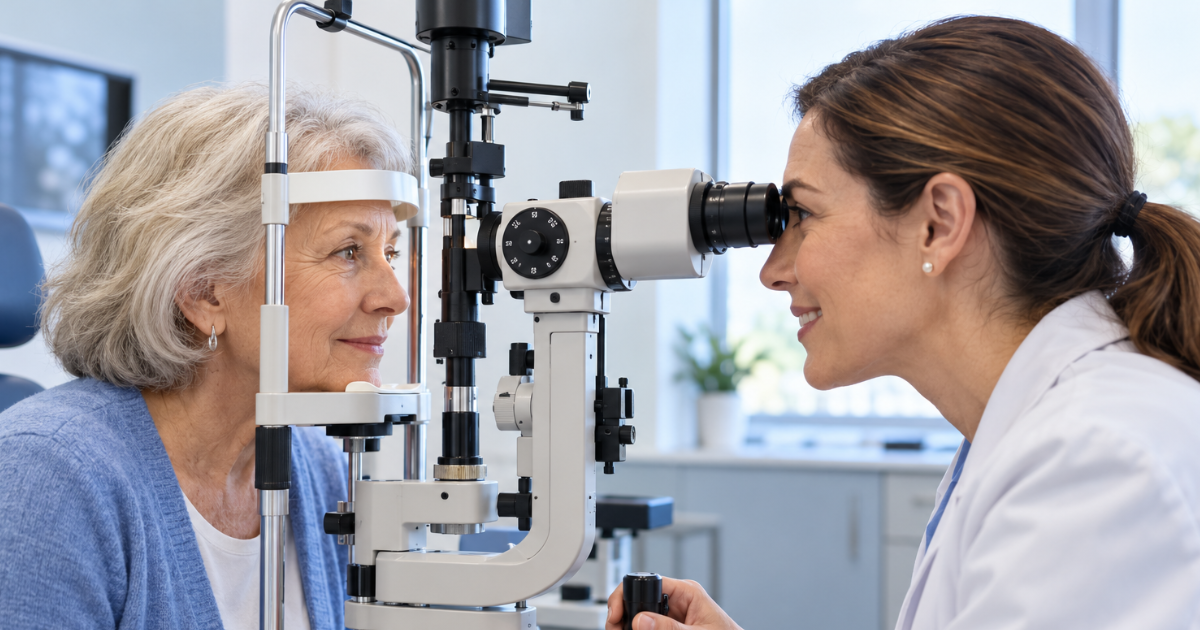
Eye doctors use instruments to measure corneal curvature and may perform additional imaging when clinically appropriate. These measurements help narrow the available lens parameters, but the final decision still requires evaluating the lens directly on the eye.
A lens that is too tight may not move adequately, while one that is too loose may shift excessively or create unstable vision. Proper alignment depends on more than comfort during the first few minutes.
Every contact lens interacts with the tear film. When that tear layer is unstable, a patient may experience burning, grittiness, redness, fluctuating clarity, or reduced wearing time.
A contact lens evaluation may therefore include questions and tests related to tear production and ocular-surface health. If significant dryness is present, the doctor may recommend addressing it before or alongside contact lens wear.
The National Eye Institute explains that dry eye can develop when the eyes do not produce enough tears or when tears do not function properly.
Changing lens material, replacement schedule, wearing time, or care solution may help some patients, but the appropriate approach depends on the cause of the symptoms.
Daily disposable lenses are worn once and discarded. They eliminate the need to clean and store lenses overnight, making them convenient for many wearers.
They may be especially practical for occasional use, travel, sports, or anyone who prefers a fresh pair each day. However, availability varies by prescription and eye condition.
Daily disposables still require clean hands, correct insertion and removal, and adherence to wearing instructions. A new lens does not make unsafe habits harmless.
Astigmatism occurs when the cornea or internal lens of the eye has an irregular curvature that affects how light is focused. Toric contact lenses contain different corrective powers in different orientations.
These lenses must remain positioned appropriately on the eye. Design features help stabilize them, but the doctor must assess rotation and vision during the fitting.
If a toric lens rotates unpredictably, vision may fluctuate even when the prescription power appears correct. A different design, parameter, or brand may perform better.
Presbyopia is an age-related change that makes focusing on nearby objects more difficult. Multifocal contact lenses use multiple optical zones to provide a range of vision.
Fitting these lenses involves balancing distance, intermediate, and near needs. The best prescription may depend on work tasks, driving, hobbies, and how much detail the patient needs at different distances.
Adaptation can take time because the visual system must learn to use the information provided by the lens design. Follow-up appointments allow the doctor to refine the prescription when necessary.
After selecting an initial lens, the doctor may place a trial lens on the eye and allow it time to settle. The evaluation can include:
A patient’s first impression matters, but immediate comfort is not the only measurement. The doctor must also confirm that the lens behaves appropriately.
Follow-up may be needed after the patient has worn the trial lenses in normal daily conditions. Real-world experience can reveal issues that are not obvious during a short office evaluation.
New wearers need enough time to learn how to insert, remove, and handle lenses safely. Rushing this step can lead to frustration and poor habits.
Training should cover:
The Centers for Disease Control and Prevention provides guidance for healthy contact lens wear and emphasizes that proper care helps reduce the risk of eye infections.
Contact lenses should not be rinsed or stored in tap water. Wearers should also follow professional instructions regarding swimming and showering with lenses.
Water can contain microorganisms that should not become trapped between a lens and the eye. The CDC’s information about water and contact lenses explains why lenses and water are a dangerous combination.
If lenses are exposed to water, follow the eye doctor’s instructions. Do not try to disinfect disposable lenses for reuse.
Sleeping in contact lenses can increase the risk of infection. Even lenses approved for extended wear are not appropriate for every patient.
The eye doctor must consider the lens, eye health, wearing habits, and individual risk factors before recommending overnight use. Patients should never assume that comfort at bedtime means sleeping in the lenses is safe.
The CDC advises wearers to avoid sleeping in contact lenses unless specifically directed by an eye-care professional.
Colored and decorative lenses are sometimes marketed as beauty or costume accessories, but they remain medical devices. Purchasing them without an examination and valid prescription can expose the eyes to poorly fitting or improperly handled products.
The FDA warns consumers that decorative contact lenses require professional fitting and a prescription, even when they do not correct vision.
Sharing decorative lenses is also unsafe. Each lens should be prescribed for and handled by the intended wearer.
Contact lens wear should not cause persistent pain, significant redness, light sensitivity, discharge, or sudden blurry vision. These symptoms may indicate irritation, injury, or infection.
Remove the lenses and contact an eye-care professional promptly if concerning symptoms develop. Do not continue wearing the lenses while waiting to see whether the problem disappears.
The American Academy of Ophthalmology provides additional guidance on contact lens care and warning signs that require attention.
Radiant Eyecare Cypress provides individualized contact lens examinations under the care of Dr. Mai Nguyen. The evaluation includes a review of medical and vision history, a comprehensive eye examination, corneal-curvature measurements, and assessment of tear production.
Based on the findings and the patient’s lifestyle, the practice may recommend daily disposable, extended-wear, toric, or multifocal contact lenses. Patients also receive instruction on insertion, removal, and lens care.
Radiant Eyecare additionally provides scleral lens services for patients whose visual or corneal needs may require a specialty fitting.
Modern instruments can measure the eyes with impressive precision, but a successful contact lens fit still depends on professional interpretation and patient feedback.
The prescription may need refinement after trial wear. Comfort can change during long workdays, and vision may behave differently while driving, reading, or using digital devices.
Attend recommended follow-up appointments, report symptoms accurately, and follow the prescribed wearing and replacement schedule. The goal is not simply to see clearly when the lenses are first inserted. It is to maintain clear, comfortable vision while supporting long-term eye health.