
Eye Care in Sealy, TX: When Standard Lenses Are Not Enough
Eye care in Sealy, TX can involve more than updating a glasses prescription when vision remains distorted or contact lenses are difficult to wear. For…

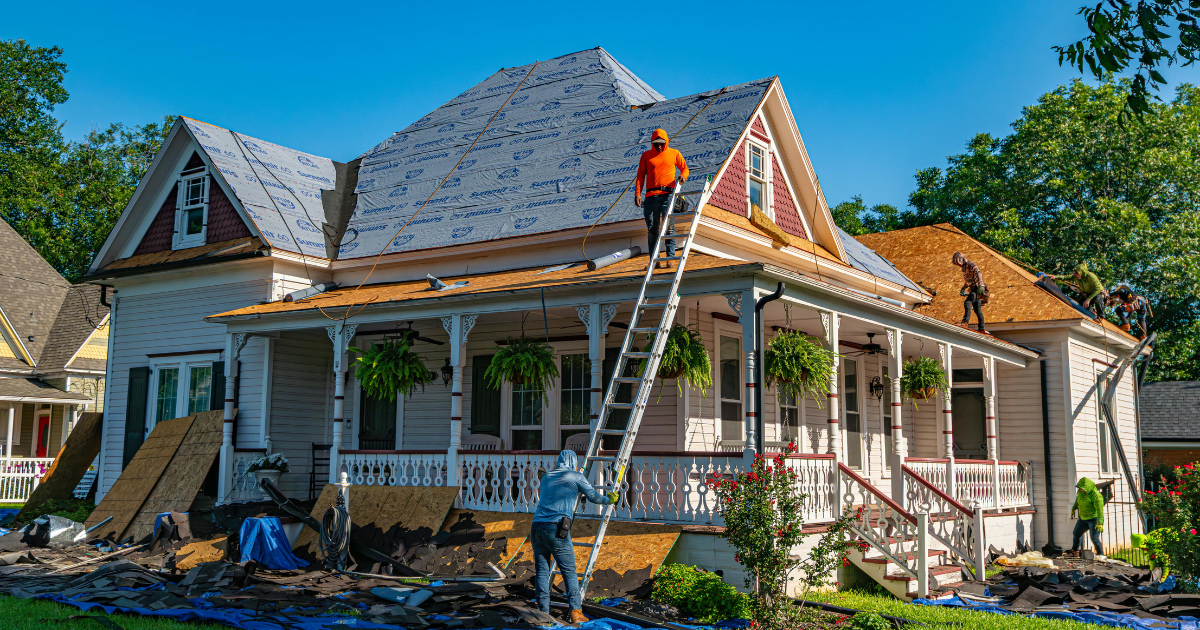
Choosing among roofing contractors in Savannah, GA increasingly involves more than comparing materials and estimates. Property owners must also consider how contractors inspect roofs, document damage, communicate project details, and use technology to support better decisions.
Roofing remains a hands-on trade, but the business behind it has become more sophisticated. Digital estimating, aerial imaging, moisture-detection equipment, project-management platforms, and real-time photo documentation can improve how roofing work is evaluated and organized. These tools do not replace experienced professionals. Instead, they help qualified contractors gather information, explain recommendations, and manage projects more consistently.
For homeowners and commercial property managers, understanding these developments makes it easier to evaluate a roofing company and ask useful questions before work begins.
A roof may look straightforward from the ground, but its performance depends on many connected components. Shingles or metal panels form the visible surface, while flashing, underlayment, fasteners, ventilation, decking, gutters, fascia, and roof penetrations contribute to the complete system.
When a leak or storm-related concern appears, identifying the visible symptom is only the beginning. A water stain inside a building does not always sit directly below the source of the leak. Water can travel along roof decking, rafters, pipes, or insulation before it becomes noticeable.
A careful inspection should consider:
Technology can help organize these observations, but the findings still require professional interpretation. A clear photograph may show damage; an experienced contractor determines what likely caused it and which repair approach is appropriate.
Drones and other aerial-imaging systems have introduced a new way to document roofs. High-resolution images can provide broad views of roof slopes, penetrations, drainage patterns, and hard-to-see sections. They may be especially useful for large commercial buildings, steep roofs, multifamily properties, or preliminary storm assessments.
Aerial imaging offers several practical benefits:
Drone use is regulated, however. The Federal Aviation Administration’s guidance for commercial drone operators explains the certification and operating requirements that apply to many business uses of small unmanned aircraft. Airspace restrictions, visual-line-of-sight rules, weather, and nearby people can all affect whether a flight is appropriate.
A drone also cannot complete every part of a roof evaluation. It cannot test whether decking feels soft, examine concealed layers, or replace close inspection when direct access is safe and necessary. It is best viewed as one documentation tool within a larger inspection process.
Roof measurements have traditionally been gathered with tape measures, ladders, and manual calculations. These methods remain useful, but digital measurement reports can help contractors calculate roof areas, slopes, ridges, valleys, eaves, and waste factors more efficiently.
Accurate measurements affect several business and construction decisions. They influence material quantities, labor planning, delivery schedules, disposal needs, and the overall project scope. Errors can lead to delays, excess materials, or shortages during installation.
Property owners should understand that a measurement report is not the same as a complete estimate. Two roofs with the same surface area may require different amounts of labor and material because of their slope, accessibility, number of penetrations, existing layers, or damaged decking.
A responsible proposal combines measurements with an on-site assessment and a clear description of what is included. Technology supplies useful data, while the contractor determines how that data applies to the actual building.
One of the most valuable improvements in roofing project management is also one of the simplest: organized photographs.
Before-work images can document visible wear, damaged flashing, missing materials, previous repairs, and site conditions. Progress photographs can show underlayment, decking repairs, flashing details, and other components that will be concealed when the roof is complete. Final images provide a record of the finished installation.
This visual timeline can improve communication between the contractor and a property owner who cannot remain on-site throughout the project. It may also help managers oversee work on rental, commercial, or second-home properties from another location.
Photographs should support explanations rather than replace them. A contractor should still describe what an image shows, why the condition matters, and whether the recommended response is a repair, maintenance measure, or replacement.
A roofing project involves more coordination than many customers see. Inspections, proposals, material orders, crew scheduling, delivery, weather monitoring, installation, cleanup, and final review must happen in the correct sequence.
Digital project-management systems can bring these activities into one workflow. Depending on the contractor’s process, the system may track appointments, inspection notes, customer approvals, project photographs, material selections, and scheduling updates.
For customers, the benefits are primarily organizational:
Software cannot guarantee excellent workmanship, but organized information can reduce preventable confusion. The strongest roofing businesses combine digital systems with clear personal communication and accountable project supervision.
Coastal properties face wind, heavy rain, hail, airborne debris, and other weather-related risks. After a storm, the first priority is determining whether the building has openings or damage that requires immediate attention.
Time-stamped photographs, inspection notes, and aerial images can create a structured record of observed conditions. This documentation may help a property owner communicate with an insurance company, but it does not determine whether damage is covered. Coverage decisions are made by the insurer under the terms, exclusions, and limits of the applicable policy.
Property owners should report suspected damage promptly, follow their carrier’s procedures, and avoid assuming that every roofing concern resulted from a single weather event. Age-related deterioration, installation defects, and maintenance issues may resemble storm damage without having the same cause.
A contractor can inspect the roof, explain visible conditions, and provide an estimate for appropriate work. The insurer and its adjuster remain responsible for evaluating the claim.
Innovation in roofing is not limited to software and imaging. Manufacturers continue to develop products designed to improve durability, installation consistency, wind resistance, and thermal performance.
Modern roofing choices may include architectural asphalt shingles, metal panels, membranes for low-slope roofs, synthetic underlayments, improved flashing products, and reflective materials. Each option has different requirements, benefits, limitations, and maintenance considerations.
Reflective roofing illustrates why product selection should be based on building conditions rather than marketing language. According to the U.S. Department of Energy’s guidance on cool roofs, reflective roofs are designed to reflect more sunlight and absorb less solar energy than conventional roofs. Potential energy effects depend on climate, insulation, roof construction, product performance, and the building itself.
Savannah’s warm climate can make heat-related performance relevant, but reflectivity is only one factor. Wind rating, slope compatibility, moisture control, appearance, installation requirements, and long-term maintenance must also be considered.
A sophisticated estimate or impressive aerial report does not install a roof. Long-term performance still depends heavily on preparation, material compatibility, fastening, flashing, ventilation, and attention to detail.
Technology is most valuable when it supports a disciplined process. It can improve the accuracy of measurements, strengthen documentation, and help teams communicate. It cannot compensate for skipped installation steps or an incomplete diagnosis.
When comparing contractors, property owners should ask practical questions:
The answers should be specific to the property and reflected in the written scope of work.
Technology can also help after installation. Digital records give property owners a baseline for future inspections and maintenance. Previous photographs, repair notes, warranty documents, and material information can make it easier to evaluate changes over time.
This is particularly helpful for commercial and multifamily properties, where roof management affects budgets, tenants, equipment, and business operations. Scheduled inspections and organized records can help managers distinguish routine maintenance from larger capital projects.
For homeowners, the same approach creates a reliable history that can be useful when planning repairs, responding to storms, or preparing to sell the property.
Seaport Roofing provides residential and commercial roofing services throughout Savannah and surrounding communities, including roof replacement, repairs, maintenance, storm-damage inspections, and assistance with claim documentation. Its service area also includes Tybee Island, Richmond Hill, Pooler, and other communities across coastal Georgia.
The future of roofing is not simply more digital. It is more informed. When accurate inspection data, organized communication, suitable materials, and skilled installation work together, property owners are better equipped to make sound decisions about one of their building’s most important protective systems.