Eye Care in Sealy, TX: When Standard Lenses Are Not Enough
Eye care in Sealy, TX can involve more than updating a glasses prescription when vision remains distorted or contact lenses are difficult to wear. For…

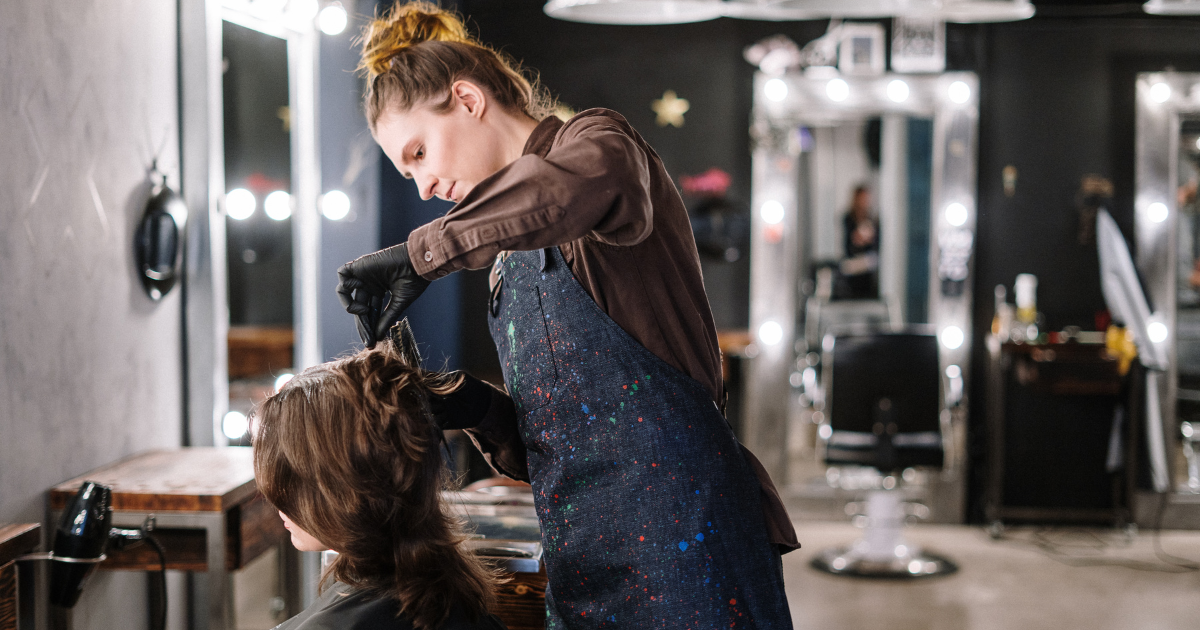
A modern hair salon in Savannah, GA can use virtual consultations, stylist-matching tools, online booking, digital portfolios, and organized client records to create a more personalized experience before the guest even reaches the styling chair.
Technology is changing salon operations, but the most useful tools do not replace professional skill. They reduce administrative friction, improve communication, and give stylists better information for planning appointments.
For guests, this can mean fewer booking mistakes, clearer expectations, and services better aligned with their hair goals. For salon teams, it can mean more accurate scheduling and additional time to focus on technical work and customer service.
Hair services vary significantly in time and complexity. A trim, corrective color, extension consultation, bridal trial, and major transformation should not be scheduled as though they were interchangeable.
A virtual consultation allows a prospective guest to share information before the salon reserves the appointment. Depending on the process, the salon may request:
This advance information helps the salon recommend an appropriate service and reserve enough time. It can also identify situations in which an in-person consultation is needed before color or extension work begins.
Virtual consultation does not guarantee that a particular result is possible. Lighting, image quality, filters, and hidden color history can affect what the stylist sees remotely. The final plan should be confirmed after evaluating the hair in person.
A salon team may include professionals with different levels of experience and areas of interest. One stylist may focus on lived-in blonding, while another may prefer vivid color, extensions, precision haircuts, or formal styling.
Stylist-matching tools can organize information about guest preferences and connect the guest with a professional whose work aligns with the requested result.
A matching process may consider:
The technology supports the introduction, but compatibility still depends on communication. Guests should review the stylist’s work and use the consultation to confirm that both parties understand the goal.
Online booking provides convenience, but a poorly organized menu can create confusion. Service names should be understandable, and the system should distinguish appointments requiring additional consultation or preparation.
An effective booking experience helps guests understand:
Automation can confirm appointments and send reminders, but it should provide a clear path for contacting a person when the guest is uncertain.
Social media and online galleries allow prospective guests to review a salon’s work before booking. These portfolios can reveal the range of services, textures, lengths, and color techniques handled by the team.
Guests should look for examples that resemble their starting point rather than focusing only on dramatic after photos. A finished blonde transformation does not show the number of appointments required, the original color, the lighting, or the home maintenance involved.
Stylists can also use saved images during consultation. Instead of asking for “caramel balayage” or “butterfly layers” without further explanation, the guest can identify the specific placement, tone, shape, or movement they prefer.
Digital client records can help salon professionals document previous services and prepare for future appointments. Useful notes may include:
These records support consistency, but they do not eliminate the need for consultation. Hair condition, health information, medications, and goals can change between visits.
Salons collecting customer information also have a responsibility to protect it. The National Institute of Standards and Technology’s Small Business Cybersecurity Corner provides resources that can help smaller organizations understand common cybersecurity risks and protective practices.
Booking systems, payment platforms, text reminders, forms, and loyalty programs may collect names, phone numbers, email addresses, service history, and transaction data.
Salons should collect only the information needed for legitimate business purposes, limit access, and use reputable platforms. Employees also need training because security depends on how systems are used, not only on which software is purchased.
Basic protective measures may include:
The Cybersecurity and Infrastructure Security Agency provides practical guidance about passwords, multi-factor authentication, phishing, and software updates.
A salon website should be usable by people with different visual, hearing, cognitive, and motor needs. Accessibility can influence whether someone can read a service page, complete a consultation form, or schedule an appointment.
Helpful features include:
The World Wide Web Consortium publishes the Web Content Accessibility Guidelines used internationally to support more accessible digital experiences.
Reviews help prospective guests learn about communication, consistency, atmosphere, and service experiences. Salon teams can also use patterns in feedback to identify areas for improvement.
Businesses should avoid misleading review practices. Incentives, employee relationships, and other material connections may require disclosure, and negative reviews should not be suppressed through deceptive methods.
The Federal Trade Commission provides guidance for businesses regarding endorsements, influencers, and consumer reviews.
A professional response to criticism should protect customer privacy, avoid arguing about personal details, and invite the reviewer to continue the conversation through an appropriate private channel.
E-commerce makes it easier for established guests to reorder products recommended during an appointment. This can reduce confusion compared with selecting products solely through social-media trends.
A stylist should explain what each recommended product does, how much to use, and how it supports the haircut, color, extensions, or treatment.
Online access is convenient, but guests should still evaluate whether the product fits their current needs. Hair condition and styling routines can change, so recommendations may need to be updated.
Digital systems can help organize information, but salon professionals still need to evaluate the hair and scalp directly. A photograph cannot reliably reveal every sign of damage, irritation, or previous chemical processing.
The American Academy of Dermatology recommends gentle hair handling, limited heat exposure, and appropriate care for different hair types.
Guests should disclose previous chemical services, allergies, and reactions before receiving color or another treatment. Burning, significant itching, or swelling should be reported immediately.
The U.S. Food and Drug Administration also provides consumer guidance about cosmetic safety, including what to do when a product causes a reaction.
Digital loyalty systems can track points, rewards, or product purchases without requiring guests to carry physical cards. When designed well, these programs reward ongoing relationships without pressuring guests into unnecessary services.
Salons can use automated reminders to help guests maintain haircuts, color, treatments, or extensions on an appropriate schedule. However, timing should still be personalized.
A short precision cut may require more frequent shaping than long layers. Bright color may need different upkeep from lived-in dimension. Reminders should support a plan established during consultation rather than act as generic sales messages.
The best salon technology works quietly in the background. Guests should notice easier booking, better preparation, and smoother communication—not a complicated collection of systems.
For salon teams, integrated tools can reduce repetitive administrative work and organize information. That creates more time for education, creativity, and face-to-face service.
Technology is successful when it makes the experience feel more human, not less.
Roots Southern Salon combines professional hair artistry with digital tools designed to help guests plan their visits. New guests can begin with a virtual consultation, use stylist matching, schedule online, review service information, and purchase professional hair-care products through the salon’s online store.
The downtown Savannah salon offers haircuts, color and blonding, extensions, bridal hair and makeup, treatments, blowouts, special-occasion styling, makeup, brow services, and waxing.
Its approach reflects a larger shift in the salon industry: using technology to support personalized consultation and long-term client relationships.
Salon technology should not be judged by how many apps or automated messages a business uses. Its value depends on whether it improves clarity, saves time, protects information, and helps guests reach the right professional.
Virtual consultations can improve scheduling. Stylist matching can make specialization easier to navigate. Digital records can support continuity, while online booking and product ordering add convenience.
The artistry still happens through trained hands and professional judgment. Technology simply creates a stronger foundation for planning, communication, and a more consistent guest experience.