Eye Care in Sealy, TX: When Standard Lenses Are Not Enough
Eye care in Sealy, TX can involve more than updating a glasses prescription when vision remains distorted or contact lenses are difficult to wear. For…

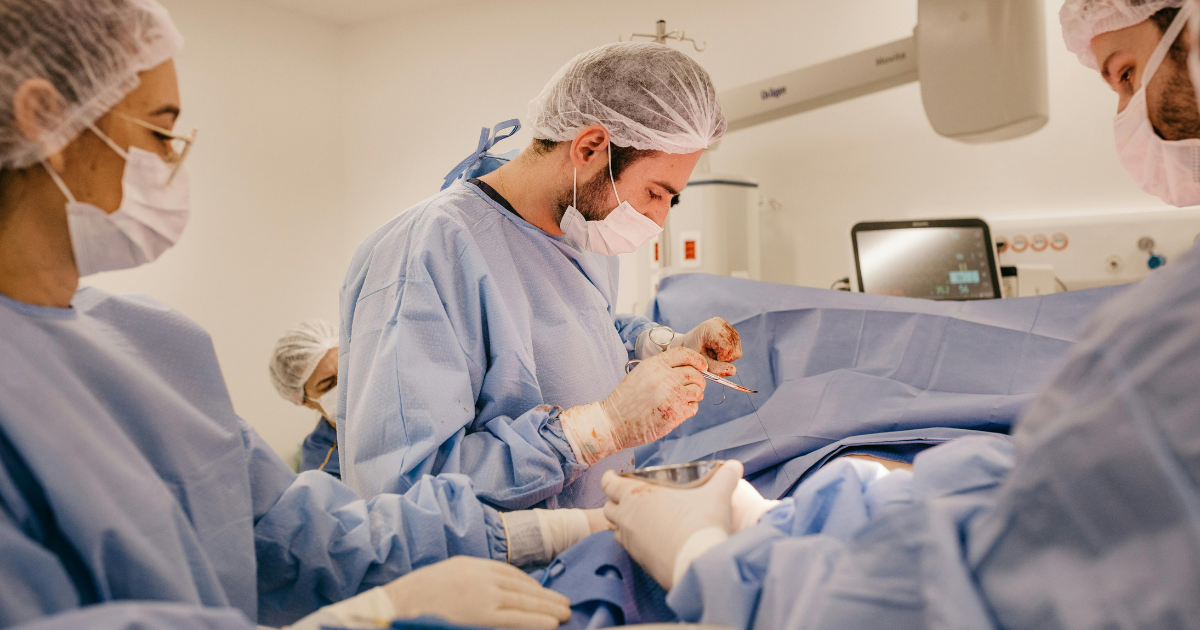
Breast augmentation in Savannah, GA increasingly combines advanced implant design with anatomy-based surgical planning, but technology is only valuable when it supports informed decisions and appropriate patient care.
Breast augmentation is sometimes reduced to a conversation about implant size. In practice, the operation involves several interconnected decisions: implant material, shape and profile, incision location, pocket position, existing tissue coverage, skin quality, chest-wall anatomy, and long-term monitoring.
Modern implants provide surgeons with more options, yet they do not produce standardized results. Two patients receiving the same implant can have different outcomes because their anatomy, surgical plans, healing responses, and aesthetic goals are different.
A responsible consultation should therefore begin with the patient—not a catalog of implant sizes.
Breast width, existing tissue volume, skin elasticity, nipple position, asymmetry, and the shape of the chest wall all influence what may be achievable. These factors help determine which implant dimensions and surgical techniques are appropriate.
An implant selected without regard for the patient’s tissue may create unnecessary tension, visible edges, rippling, or a result that feels disproportionate. Conversely, an implant chosen to work with the existing anatomical framework can support a more individualized outcome.
Important preoperative measurements may include:
These measurements do not remove judgment from the process. They give the surgeon objective information to combine with the patient’s goals and clinical experience.
Implants are available in different volumes, widths, projections, shapes, surfaces, and fill materials. Volume alone does not describe how an implant will appear on a particular body.
A narrower implant with greater projection can create a different silhouette from a wider implant with the same volume. Existing breast tissue also changes how the implant is seen and felt after surgery.
During consultation, patients should discuss:
Perfect symmetry is not a realistic promise. Most people begin with some natural asymmetry, and surgery may improve it without eliminating every difference.
Contemporary silicone implants use cohesive gel designed to retain its distribution within the implant shell. Different models offer varying degrees of cohesiveness, projection, and shape retention.
These engineering differences may influence implant selection and surgical planning, but no implant is universally superior. The appropriate device depends on anatomy, desired appearance, placement, and the risks the patient is willing to accept.
Patients should receive the manufacturer’s educational materials for the specific implant being considered. They should know the device name, fill material, surface characteristics, warranty terms, and recommended monitoring requirements.
After surgery, the patient should also receive an implant device card containing identifying information. Keeping that record is important if a future safety notice, medical evaluation, or revision becomes necessary.
Implants can be placed in different tissue planes. Common approaches include positions beneath breast tissue, beneath the chest muscle, or beneath the fascia covering the muscle. Each creates different tradeoffs involving coverage, movement, discomfort, and long-term support.
Submuscular placement uses the pectoralis muscle to provide additional coverage. It has a long history in breast augmentation but may produce implant movement or distortion when the chest muscle contracts, sometimes called animation deformity.
Subfascial placement positions the implant beneath the fascia while leaving the pectoralis muscle intact. Because the implant sits independently of muscle movement, this approach is intended to avoid muscle-related animation. However, adequate natural tissue coverage and precise pocket control remain important.
Seaport Plastic Surgery describes subfascial placement as Dr. Matthew McLeod’s default approach when the patient’s anatomy supports it. The practice emphasizes assessing the chest wall, breast tissue, skin quality, and tissue coverage before selecting an implant or pocket.
Subfascial placement is not automatically appropriate for every patient. Someone with limited tissue coverage, significant drooping, previous surgery, or other anatomical considerations may require another plan. Placement should be chosen through individualized surgical evaluation rather than trend alone.
Implant technology cannot compensate for poor planning or imprecise surgery. Pocket dimensions influence implant position, symmetry, and stability. Incision handling affects scarring, and tissue management can influence discomfort and recovery.
Technical planning should address:
Patients should ask the surgeon why a particular approach is recommended for their anatomy and what alternatives were considered.
Recovery is influenced by surgical technique, implant placement, the extent of tissue manipulation, individual healing, and the patient’s occupation and activities.
Seaport Plastic Surgery states that its muscle-preserving subfascial approach is intended to reduce discomfort associated with cutting or releasing the pectoralis muscle. The practice outlines a gradual return from walking and light activity to desk work and later exercise, guided by follow-up visits.
These timeframes should be treated as general planning information rather than guarantees. Every operation has a recovery period, and complications or individual healing differences may change the schedule.
Patients should receive written instructions covering:
Breast augmentation is not complete when the initial recovery ends. Breast implants are medical devices that require ongoing attention.
The U.S. Food and Drug Administration emphasizes that implants are not lifetime devices. The longer a person has them, the more likely removal, replacement, or another operation may become necessary.
Patients with silicone implants may need ultrasound or MRI examinations to screen for rupture, even when no symptoms are present. Screening recommendations should be reviewed with the surgeon and incorporated into long-term healthcare planning.
Patients should promptly report unusual swelling, persistent pain, changes in breast shape, a new lump, hardening, or other concerning symptoms.
More cohesive implants and refined surgical techniques can improve planning, but breast augmentation still carries meaningful risks.
The American Society of Plastic Surgeons lists potential complications including bleeding, infection, altered sensation, capsular contracture, implant rupture, persistent pain, scarring, implant displacement, and the possibility of revision surgery.
The FDA also requires breast implant labeling to include a boxed warning and patient decision checklist. Patients should review and sign the checklist only after they understand the device’s benefits, limitations, and risks.
Discussions should include rare implant-associated cancers, including breast implant-associated anaplastic large cell lymphoma, as well as reported systemic symptoms sometimes grouped under the term breast implant illness.
Informed consent is not simply a signed form. It is a process in which the patient has enough clear information to make a voluntary decision.
A well-prepared patient can use the consultation to evaluate both the proposed procedure and the surgeon’s communication.
Patients should never feel pressured to select an implant or schedule surgery during the initial meeting. Time to review materials, compare options, and consider the long-term commitment is part of sound decision-making.
The most important innovation in breast augmentation is not one implant model or surgical plane. It is the movement toward individualized planning supported by better device information, anatomical assessment, patient education, and long-term monitoring.
Seaport Plastic Surgery applies an anatomy-first philosophy at its Savannah practice, with subfascial placement used when tissue coverage and other clinical factors make it appropriate. That approach illustrates how modern implant engineering can influence technique without replacing surgeon judgment.
Breast augmentation remains elective surgery with lasting responsibilities. The best use of technology is not to make the operation appear effortless. It is to help the surgeon and patient build a plan that reflects anatomy, goals, risks, recovery, and the reality that implants require lifelong awareness.