Eye Care in Sealy, TX: When Standard Lenses Are Not Enough
Eye care in Sealy, TX can involve more than updating a glasses prescription when vision remains distorted or contact lenses are difficult to wear. For…

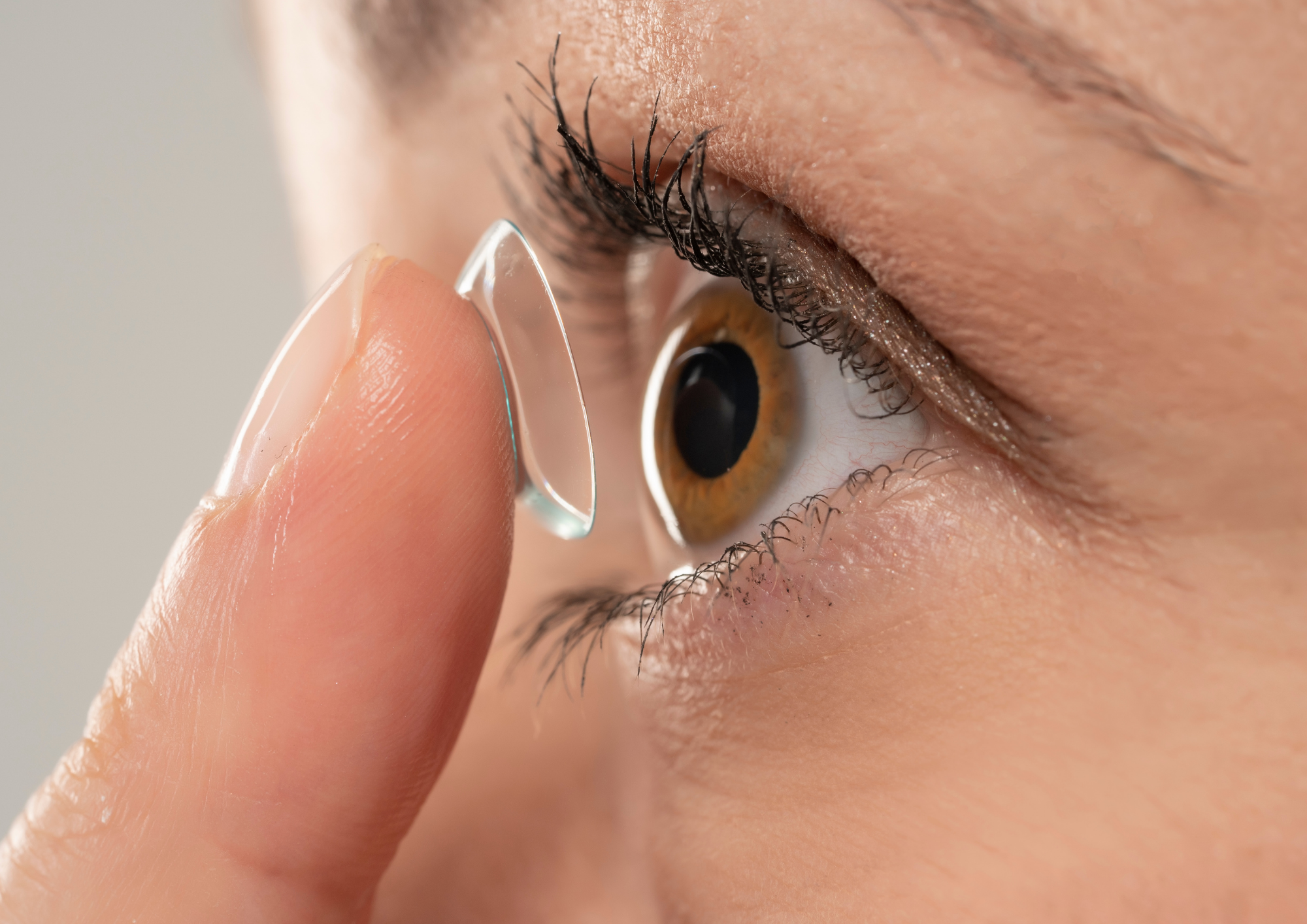
Custom contact lens services treat vision correction as a configuration process in which lens design, eye measurements, visual demands, and wearer behavior must work together.
This approach is increasingly important because a contact lens is not simply a smaller version of an eyeglass lens. It sits directly on the cornea, interacts with the tear film, moves with every blink, and must remain stable enough to deliver clear vision throughout the day.
The best result comes from combining clinical data with real-world testing. A technically precise lens that becomes uncomfortable after several hours is not a complete solution. Neither is a comfortable lens that rotates, shifts, or fails to provide reliable vision at the distances a wearer uses most.
An eyeglass prescription provides useful information about refractive error, but it does not contain everything needed to prescribe contacts. The lens must also be selected and evaluated for the surface on which it will be worn.
According to the U.S. Food and Drug Administration, a contact lens prescription may include the manufacturer or material, corrective power, base curve, and diameter when applicable. These parameters help explain why two lenses with the same printed power may perform differently on the same eye.
A fitting may consider:
These inputs create a working profile. The optometrist can then select an initial lens, observe how it behaves, and refine the configuration when necessary.
Modern contact lenses are available in many designs because wearers do not all have the same visual requirements. The correct category depends on the problem being solved.
Spherical lenses are commonly used to correct uncomplicated nearsightedness or farsightedness. They are available in daily disposable and reusable formats, with materials and replacement schedules that vary by product.
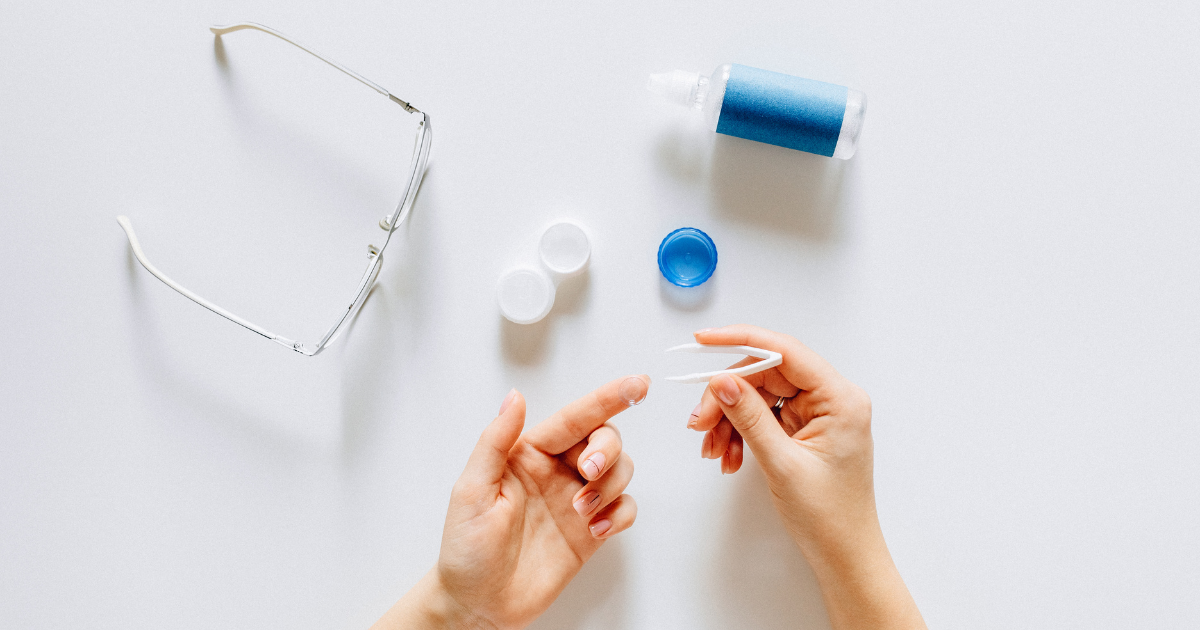
Daily disposable lenses remove the cleaning and storage step because a fresh pair is used each day. Reusable lenses may be practical for other wearers, but their success depends on consistent cleaning, case care, and timely replacement.
The National Eye Institute explains that lens selection involves several decisions, including whether a lens is soft or rigid, whether it is approved for daily or extended wear, and how frequently it must be replaced.
Astigmatism requires correction in specific orientations. A toric lens therefore needs a stabilization design that helps it remain in the intended position.
If the lens rotates inconsistently, vision may fluctuate even when the power is correct. The fitting process evaluates both clarity and rotational stability. A different brand or design can sometimes produce better performance because stabilization systems are not identical.
Multifocal contacts are designed to provide useful vision across near, intermediate, and distance ranges. They can be helpful for people experiencing presbyopia, but selecting the lenses often requires balancing several priorities.
A wearer who drives frequently at night may rank crisp distance vision highly. Someone who works across multiple screens may place greater value on intermediate clarity. Another person may prioritize reading menus and messages without reaching for glasses.
Trial lenses allow the optometrist to evaluate how the design performs outside the exam room. Adaptation can take time because the visual system must learn to use the information supplied by the lens.
Rigid gas-permeable lenses maintain their shape on the eye and may provide particularly clear optics in selected cases. They can take longer to adapt to than soft lenses, and their cleaning requirements differ.
Hybrid lenses combine a rigid central optical zone with a softer surrounding section. This design may offer another option when a wearer needs specialized optics but has different comfort or fit considerations.
Standard soft lenses do not fit every cornea. Irregular corneal shapes, keratoconus, previous surgery, scarring, and certain ocular-surface problems may require a more specialized design.
Scleral lenses are larger lenses designed to vault over the cornea and rest on the white portion of the eye. They are filled with preservative-free saline before insertion, creating a fluid reservoir between the lens and cornea. Fitting them typically involves detailed measurements, diagnostic lenses, and follow-up assessments.
The American Optometric Association’s scleral lens resource describes scleral fitting as a specialized area of contact lens practice. These lenses are not necessary for most wearers, but they expand the options available when conventional designs do not meet the eye’s needs.
Orthokeratology, commonly called Ortho-K, uses specially designed rigid lenses worn according to a prescribed overnight schedule. The lenses temporarily reshape the cornea to reduce myopic refractive error during waking hours.
Ortho-K is not a permanent change. The effect depends on continued wear as directed, and the fitting process requires careful evaluation and ongoing monitoring. The FDA’s device information for an approved overnight orthokeratology lens notes that failing to follow the prescribed schedule can lead to visual fluctuations and changes in the intended correction.
The initial lens is best viewed as a prototype rather than a guaranteed final choice. It provides a way to test assumptions about fit, comfort, stability, and visual performance.
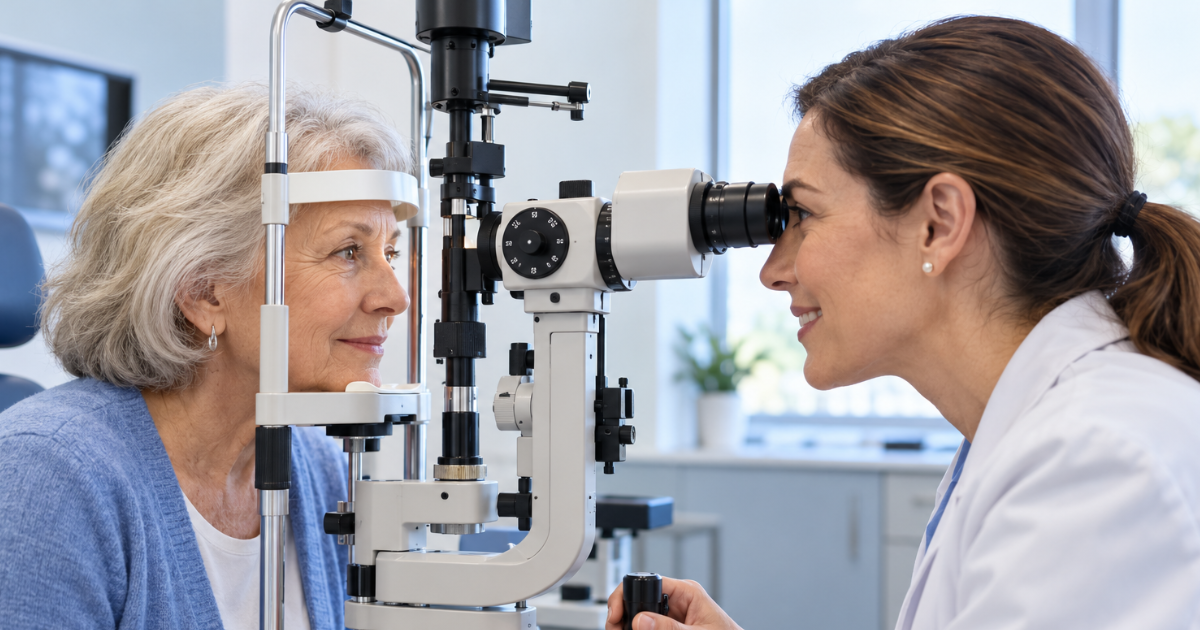
During an in-office evaluation, the optometrist may examine:
The wearer then contributes another layer of data. How does the lens perform during a full workday? Does comfort decline in air conditioning? Is text clear on a laptop and phone? Does the lens remain stable during exercise? Is night driving comfortable?
A follow-up visit allows these observations to be compared with clinical findings. Changing the material, replacement schedule, power, or design is not evidence that the process failed. Iteration is part of precision fitting.
Even an advanced lens cannot compensate for unsafe handling. The FDA classifies contact lenses as medical devices, which means they should be obtained with a valid prescription and used according to professional guidance.
The Centers for Disease Control and Prevention explains that improper wear, cleaning, or storage can increase the risk of microbial keratitis and other complications. Safe operation requires the wearer to follow the system as designed.
The CDC’s infection-prevention guidance recommends replacing the lens case at least every three months and consulting an eye care provider annually or as directed.
Contact lenses should be kept away from tap water, pools, lakes, showers, and hot tubs. Water is not sterile, and a lens can trap microorganisms against the eye.
The CDC’s guidance on keeping water away from contact lenses specifically warns about Acanthamoeba, a microorganism associated with a rare but potentially severe corneal infection.
Wearers who swim regularly should discuss prescription goggles or another practical vision strategy with their optometrist. Wearing contacts under ordinary swim goggles does not eliminate every risk associated with water exposure.
Occasional awareness of a lens is different from significant pain, persistent redness, or sudden visual change. Contact lenses should be removed promptly if there is:
Do not reinstall the lens simply because symptoms improve temporarily. Contact an eye care professional for guidance, especially if symptoms are severe, worsening, or limited to one eye.
Northern VA Doctors of Optometry offers conventional, toric, multifocal, gas-permeable, hybrid, specialty, and Ortho-K options. Its published services include contact lens care for routine refractive needs as well as keratoconus and irregularly shaped corneas.
This breadth matters because customization is not achieved by carrying one popular lens in many powers. It comes from having multiple design categories and knowing how to match them to clinical findings, wearing habits, and visual priorities.
Technology can provide detailed measurements, but the wearer’s experience remains essential. A productive evaluation combines objective data with specific feedback about comfort, clarity, schedule, and environment.
Bringing accurate information can shorten the troubleshooting cycle. Before the visit:
A contact lens should not be selected solely by power, price, or online popularity. It is a medical device operating within a biological system, and small differences in geometry, material, and wearing schedule can influence performance.
Precision contact lens care follows a clear process: collect the right inputs, choose an appropriate design, test it on the eye, gather real-world feedback, and refine the solution. When clinical technology and patient experience are treated as complementary data, contact lenses become more than a convenient alternative to glasses. They become a carefully configured vision system.