Pediatric Eye Exams in McKinney, TX
Pediatric eye exams in McKinney, TX can use age-appropriate testing and modern diagnostic tools to evaluate a child’s vision even when that child is too…


An Optometrist works at the intersection of clinical judgment, diagnostic technology, health records, and patient communication.
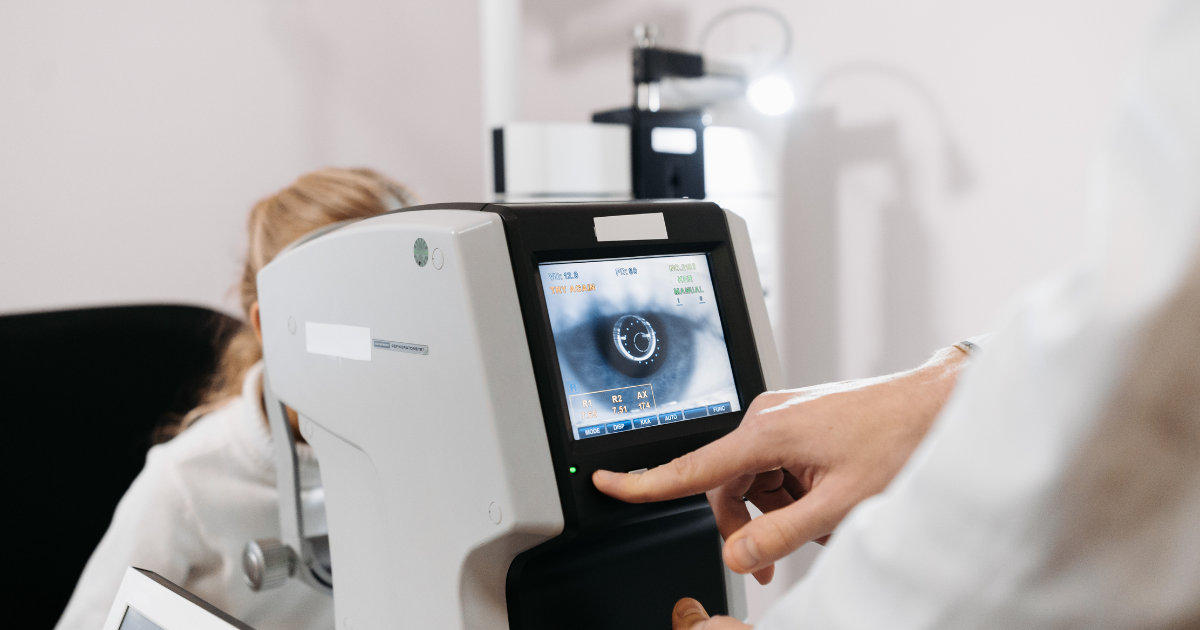
Modern equipment can measure eye pressure, document retinal structures, map the cornea, or evaluate the tear film. Yet collecting more data does not automatically produce better care. The real value comes from connecting each measurement to a clinical question, interpreting the findings together, and explaining what the patient should do next.
This makes a modern eye practice similar to any well-designed information system. Reliable inputs, appropriate tools, skilled analysis, secure records, and clear outputs must work together.
The first data source is the patient. Symptoms, medications, medical conditions, family history, previous prescriptions, and everyday visual demands help determine which tests are relevant.
For example, intermittent blur during computer work raises different questions from sudden vision loss. A family history of glaucoma may influence monitoring, while diabetes creates specific concerns about retinal health. Contact lens discomfort may require an assessment of fit, material, wearing habits, and tear quality rather than a simple prescription update.
Patients can improve the quality of this information by preparing a concise record:
Better inputs help the clinician choose the right examination pathway instead of treating every visit as an identical sequence of tests.
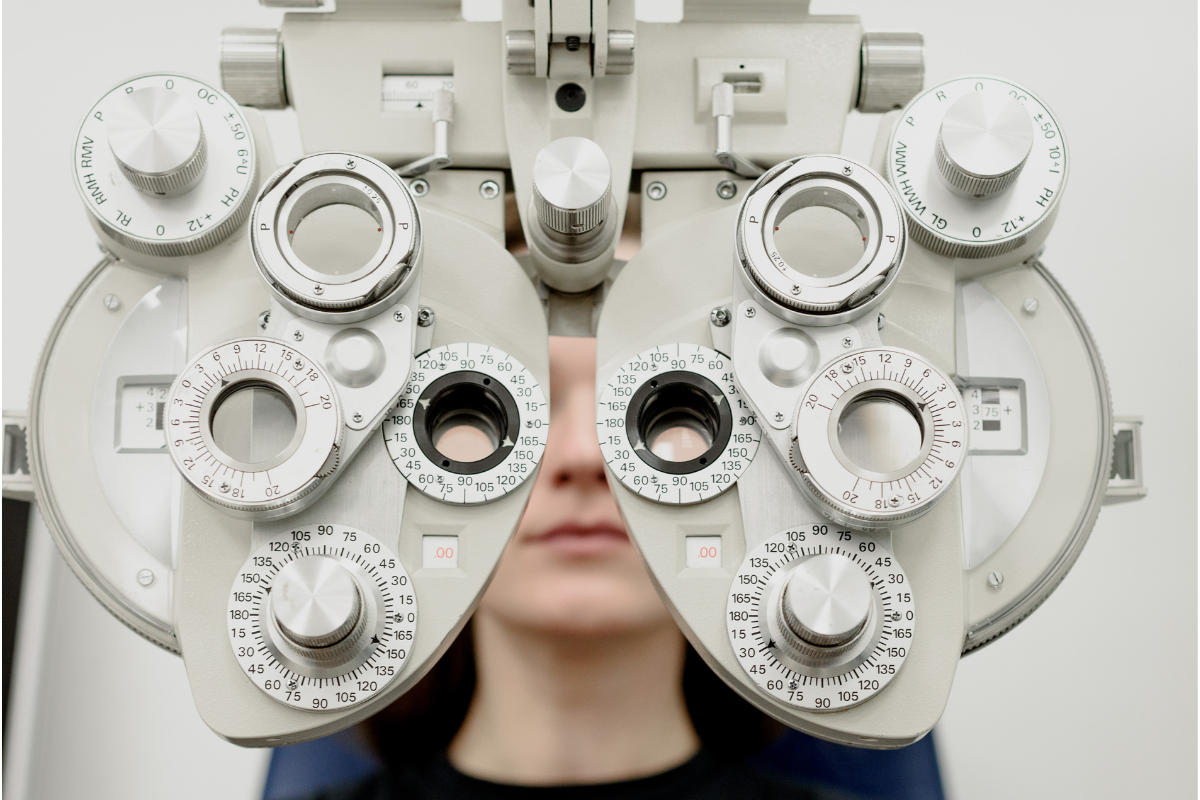
A comprehensive examination combines multiple observations because no single device provides a complete account of eye health. The National Eye Institute’s guide to dilated eye examinations describes assessments of visual acuity, peripheral vision, eye movement, pupil response, eye pressure, and internal eye structures.
Each component addresses a different question:
The distinction between measurement and diagnosis is critical. An eye-pressure reading, for instance, is useful but cannot establish or exclude glaucoma by itself. The National Eye Institute’s statement on glaucoma detection explains that pressure measurement must be considered with factors such as family history, optic nerve appearance, retinal examination, and visual field findings.
Technology supports the investigation. The clinician determines how the pieces fit together.
One of the most useful capabilities of digital eye care is comparison over time. A current image, prescription, or pressure reading becomes more informative when viewed beside earlier results.
Trend analysis may help answer questions such as:
The federal health information technology resource on diagnostics and patient outcomes describes how electronic health records can make clinical information available at the point of care and support more informed decisions.
Historical comparison does not mean every numerical difference represents disease. Measurements can vary because of technique, time of day, patient cooperation, and normal biological fluctuation. A trained professional must decide whether a change is meaningful and whether it calls for confirmation, additional testing, referral, or continued observation.
Routine vision correction and medical eye care often overlap. A person may request new glasses while an examination identifies a finding that deserves closer attention.
Diabetes is a clear example. The Centers for Disease Control and Prevention explains that diabetic retinopathy can begin without noticeable symptoms and that regular examinations help identify problems early. Relevant information may include the duration of diabetes, recent blood sugar control, blood pressure, medications, symptoms, and previous retinal findings.
Glaucoma also demonstrates why apparently normal daily vision does not settle every clinical question. The National Eye Institute notes that glaucoma often has no early symptoms and may initially affect peripheral vision gradually.
A well-designed practice does not merely collect these risk factors. It uses them to determine examination scope, recommended follow-up, and the information that may need to be shared with another healthcare provider.
Contact lens care illustrates how physical measurements, product specifications, patient behavior, and follow-up must be integrated.
A contact lens prescription contains more than corrective power. The U.S. Food and Drug Administration identifies information such as lens material or manufacturer, base curve, and diameter among the details that may be required.
Standard soft lenses satisfy many prescriptions, but more complex eyes may require specialty designs. Scleral or rigid lenses may be considered when an irregular cornea, keratoconus, significant refractive error, or another condition makes conventional lenses less effective or comfortable. Orthokeratology uses specially designed lenses worn overnight to temporarily reshape the corneal surface.
A responsible fitting workflow generally includes:
The product is only one component. The fitting and follow-up process determines whether it functions safely and effectively for the individual wearer.
Children’s myopia care is another area in which repeated measurement matters. Ordinary glasses can correct current distance blur, while myopia-management strategies are intended to address progression over time in appropriate patients.
The workflow involves establishing a baseline, selecting an individualized approach, monitoring change, and adjusting the plan when necessary. Age, prescription history, eye health, family history, lifestyle, and a child’s ability to follow instructions may all influence the decision.
Research in this field continues to evolve. In 2026, the National Eye Institute announced a clinical trial comparing specialized spectacle lenses, atropine drops, and combined therapy. The continuing research is a reminder that different interventions have different evidence, regulatory status, benefits, and responsibilities.
Parents should ask what outcome will be monitored, which measurements will be repeated, how often follow-up is needed, and what would cause the treatment plan to change.
Dry eye symptoms can result from insufficient tear production, rapid evaporation, eyelid inflammation, meibomian gland dysfunction, environmental exposure, medications, contact lens wear, or a combination of factors.
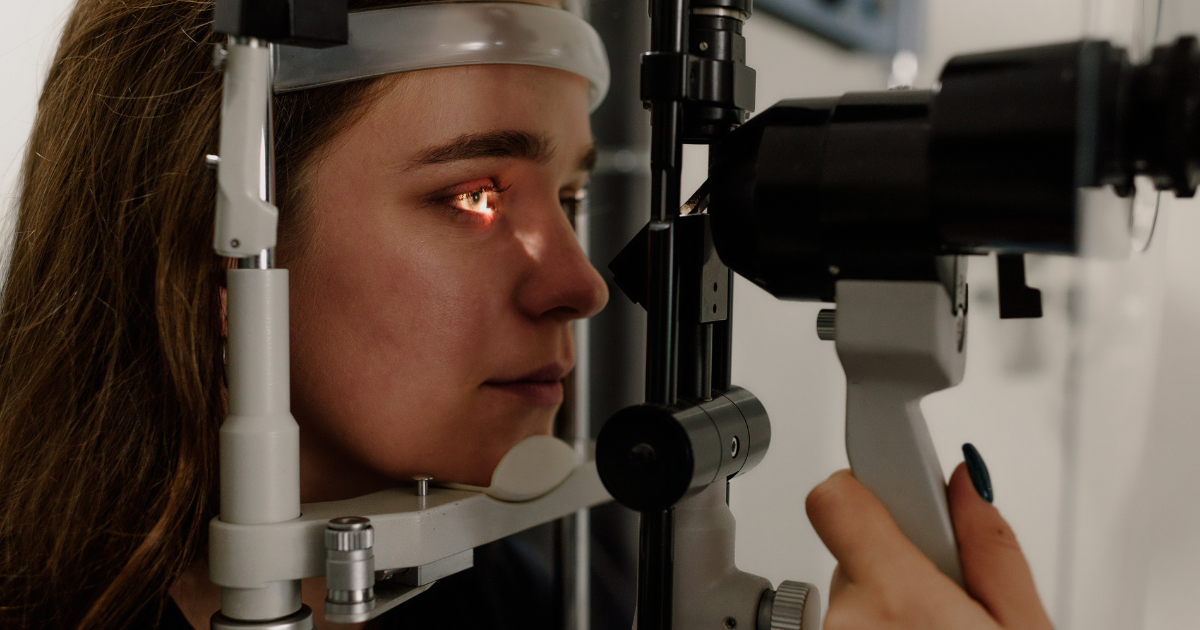
This is why a generic recommendation may not solve every case. The National Eye Institute outlines several dry eye tests, including slit-lamp evaluation, tear-production testing, and tear-film breakup time.
Imaging and other diagnostic tools can help characterize the problem, but treatment should be based on the likely cause. The useful output is not simply a dry eye label. It is an understandable plan that may address inflammation, eyelid hygiene, tear retention, environmental factors, blinking habits, or another identified contributor.
A sophisticated examination can still fail if the patient leaves without understanding the result. Clinical communication is the user interface of healthcare.
The Agency for Healthcare Research and Quality describes shared decision-making as a collaborative process in which clinicians and patients use evidence together while considering the patient’s values and preferences.
At the end of an eye-care visit, a patient should understand:
Digital convenience must also respect privacy. The U.S. Department of Health and Human Services explains patients’ rights under HIPAA, including rights concerning access to health records and safeguards for protected information.
Luminary Eye Care has served Marietta and East Cobb since 2019. Its published approach combines modern diagnostic tools with personalized education and attention rather than presenting technology as a substitute for the clinician-patient relationship.
The practice provides comprehensive, medical, pediatric, and emergency eye examinations, along with care for dry eye, glaucoma, macular degeneration, diabetic retinopathy, cataracts, and other ocular conditions. Its specialty services include myopia management, orthokeratology, and specialty contact lenses for needs such as keratoconus and corneal disease.
Luminary Eye Care also describes using meibomian gland imaging when evaluating dry eye. Dr. Jinen Shah has a stated professional interest in dry eye treatment, myopia management, and specialty contact lens fittings, including scleral lenses.
This range demonstrates why an eye practice needs an integrated operating model. Examination findings may lead to monitoring, treatment, eyewear, contact lens fitting, home-care guidance, or referral. The value lies in moving coherently from information to action.
Patients do not need to choose an eye practice based on the longest equipment list. More useful questions concern how technology is applied:
The best eye-care technology does not draw attention to itself. It helps clinicians detect meaningful changes, personalize treatment, maintain continuity, and give patients clearer information. When those functions work together, the examination becomes more than a collection of tests. It becomes a reliable decision system for protecting vision over time.