
Why Modern Visual Work Requires More Than a Basic Sight Check
Why Modern Visual Work Requires More Than a Basic Sight Check Comprehensive eye examinations are most useful when they connect clinical findings with the visual…

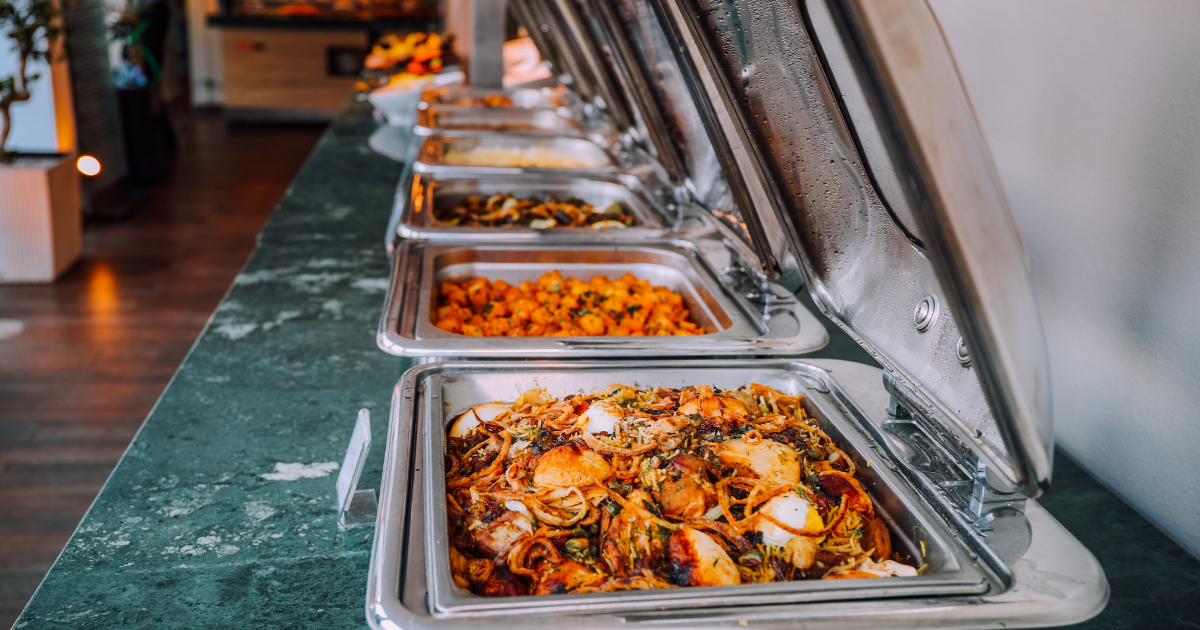
Effective full-service event catering begins with a clear operating brief that connects the menu, venue, staffing, service sequence, guest needs, and contingency decisions.
Food may be the most visible part of a catered gathering, but it is only one component of the system. Guests also experience the pace of service, the availability of seating, the clarity of dietary information, the length of lines, the condition of the dining area, and the ease of moving from one part of the event to another.
A practical brief converts expectations into instructions that a culinary and hospitality team can execute. It also gives the host, venue, planner, and caterer one shared reference when details change.
A menu should support the event’s purpose rather than exist as a separate creative exercise. A seated anniversary dinner, open-house celebration, fundraising gala, and backyard gathering create different requirements for timing, movement, equipment, and staffing.
Begin the brief with a concise event profile:
This information helps determine whether the event needs passed items, stations, a buffet, seated service, or a combination. The choice affects more than presentation. It influences how many guests can be served within a given period and where congestion may occur.
An event schedule may say that dinner begins at 7:00 p.m., but that instruction does not explain how quickly every guest can receive food. Service capacity depends on the number and placement of stations, menu complexity, room layout, staffing, and the amount of individual assembly required.
For each major service period, ask three questions:
A beautiful station placed in a narrow transition area can slow the entire room. A menu with several made-to-order elements may need more labor or a longer service window. Capacity planning protects the guest experience by aligning the design with what the space and team can deliver.
Many event problems occur between responsibilities. The venue may control access times, the rental company may supply tables, the caterer may place service equipment, and the host may provide décor. If no one owns the handoff, an essential item can arrive late or be positioned incorrectly.
The operating brief should assign a name or role to each task involving:
One final production document should show the approved version of these details. Email remains useful for discussion, but staff should not have to search multiple message threads to determine which floor plan or timeline is current.
Catering moves food through preparation, transport, holding, display, service, and cleanup. Each stage needs suitable controls. The U.S. Department of Agriculture’s guidance for catered events emphasizes safe transport, temperature control, clean serving practices, and prompt handling of leftovers.
Local requirements matter as well. The Georgia Department of Public Health food-service resource provides current rules, inspection information, temporary food-service materials, allergen notifications, and food-safety guidance. Event organizers should leave regulatory compliance and technical food-safety decisions to qualified professionals rather than improvising procedures.
Venue conditions should appear in the brief. An outdoor site without a permanent kitchen creates a different production plan from a ballroom connected to commercial facilities. Travel time, shade, weather, access to handwashing, and available electrical capacity can affect how service is organized.
“Vegetarian,” “gluten-free,” and “allergy” are not interchangeable terms. A preference, medical restriction, religious practice, and diagnosed food allergy may require different preparation and communication.
The U.S. Food and Drug Administration identifies nine major food allergens and explains that reactions can become life-threatening. A promise made casually by a host should never replace direct confirmation from the food-service team.
Buffet labels and printed menus can improve clarity, but they do not replace staff communication. The FDA’s cross-contact guidance illustrates why controls such as separation, sanitation, equipment management, and production sequencing matter.
An accessible event considers more than the building entrance. Buffet height, table spacing, seating choices, menu readability, line management, and staff communication can affect whether guests can participate independently and comfortably.
The U.S. Department of Justice guidance on effective communication explains that the appropriate solution depends on the nature, complexity, and context of the information as well as the person’s usual communication method.
Practical measures can include large-print menus, staff who can explain buffet items, clear dietary labels, accessible paths to stations, and seated alternatives when standing in line creates a barrier. Ask guests privately about relevant needs early enough for the team to plan a workable response.
A tent is not a complete weather plan. Heat, lightning, wind, and heavy rain can affect people, food holding, service equipment, temporary structures, and transportation.
The National Weather Service’s outdoor-event planning guidance recommends designating shelter areas, setting thresholds for protective action, assigning a weather watcher, and considering how long notification and movement will take.
The event brief should state who monitors conditions, who has authority to modify service, where people and equipment will move, and how the updated plan will be communicated. These decisions are easier to make before conditions deteriorate.
Waste management is both an environmental objective and a production task. Guest-count accuracy, portion strategy, reusable serviceware, clearly placed collection stations, donation planning, and separation of materials all require advance coordination.
The U.S. Environmental Protection Agency’s sustainable food-management framework prioritizes preventing wasted food before considering donation, animal feed, composting, or disposal options.
A practical plan identifies who supplies receptacles, which materials the venue accepts, who removes waste, and what can legally and safely happen to excess food. These details should be resolved with the caterer and venue, not left for the final minutes of cleanup.
Thrive Catering describes its social-event work as suitable for occasions ranging from large celebrations and lively cocktail parties to backyard low-country boils. Its published service information also notes accommodations for vegetarian, vegan, and gluten-free diets.
The Savannah company identifies itself as a Green Certified Caterer and says its team uses local and organic ingredients when possible. Its approach reflects a broader operational principle: food, professional service, dietary planning, and environmental practices work best when they are coordinated rather than treated as unrelated extras.
Several days before the event, review the operating brief with the people responsible for delivery. Confirm:
The goal is not to eliminate every surprise. It is to establish enough shared information that the team can adapt without creating confusion for the host or guests.
When catering is managed as a connected operating system, hospitality feels natural. Guests experience good food, confident service, comfortable pacing, and thoughtful care. Behind that ease is a precise brief that has turned many separate decisions into one executable plan.