Eye Care in Sealy, TX: When Standard Lenses Are Not Enough
Eye care in Sealy, TX can involve more than updating a glasses prescription when vision remains distorted or contact lenses are difficult to wear. For…

Technology is changing what patients can expect from routine vision care. Modern diagnostic instruments can provide eye doctors with more detailed information, while digital scheduling and personalized lens options make the overall experience more convenient. For patients seeking eye care in Olympia and Tumwater, these developments can support a more informed, comfortable, and individualized visit.
However, technology alone does not create better care. Its real value comes from how an eye doctor uses the information, explains the findings, and connects those findings to the patient’s daily needs. The strongest modern practices combine useful instruments with careful observation and a patient-centered conversation.
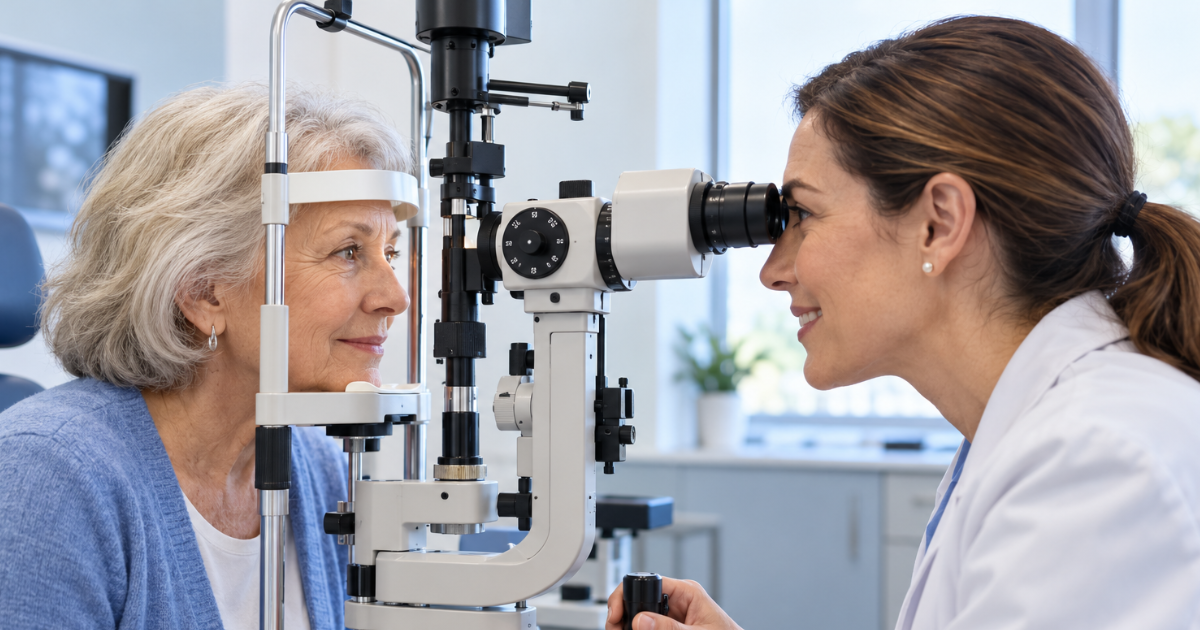
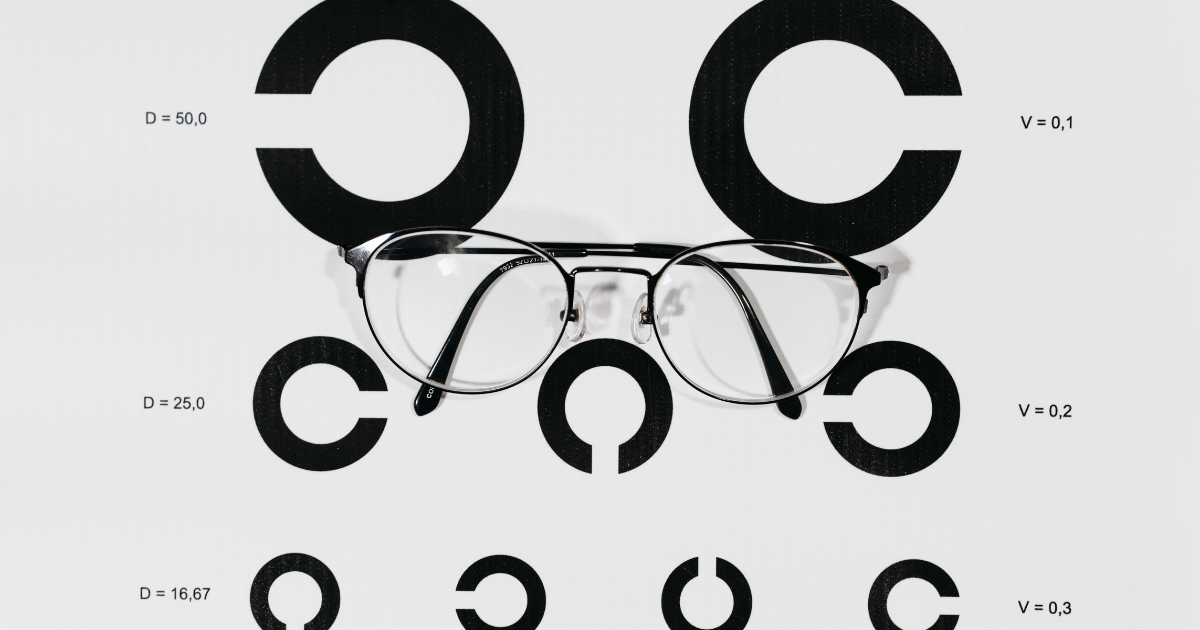
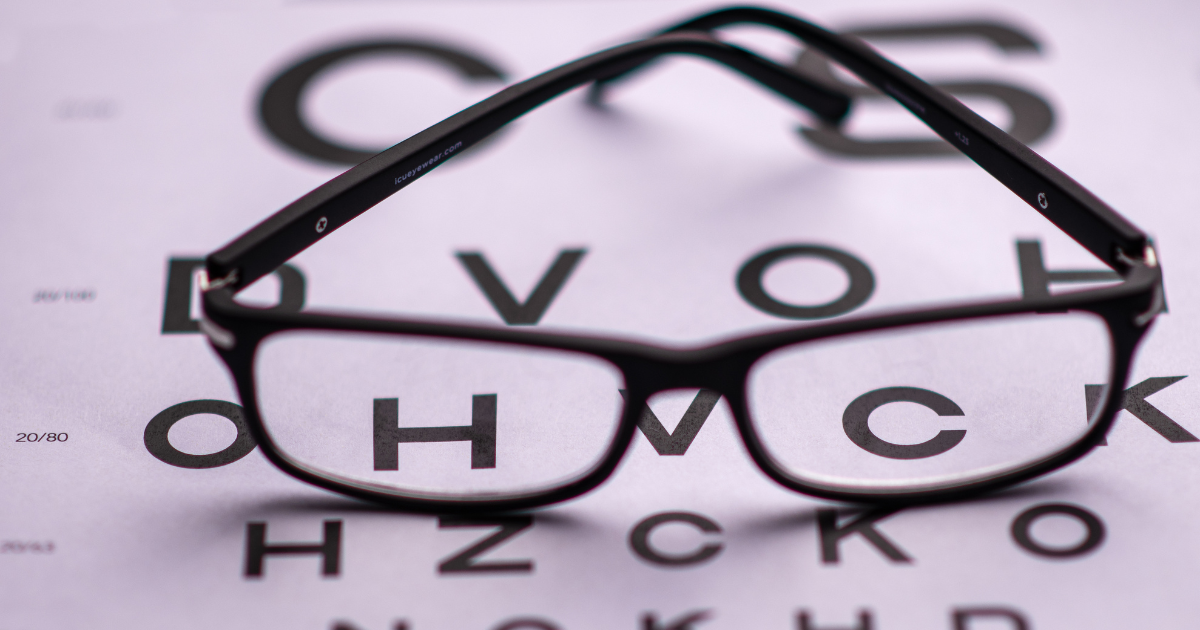
The traditional eye chart remains an important way to measure visual acuity, but it represents only one part of a comprehensive examination. Seeing small letters clearly does not automatically reveal how the eyes focus, work together, respond to pressure, or show signs of developing disease.
A modern exam may include several evaluations based on the patient’s age, symptoms, health history, and risk factors. These can assess:
The Centers for Disease Control and Prevention explains that some eye diseases can remain unnoticed during their early stages. This makes routine examinations valuable even for people who believe their vision is already clear.
Digital retinal imaging can capture detailed pictures of structures at the back of the eye. These images may help an eye doctor document current findings, explain visible features to the patient, and compare changes over time.
Imaging does not replace every other part of an eye examination. Dilation may still be appropriate depending on the patient’s health, symptoms, and the doctor’s clinical judgment. The National Eye Institute’s guide to dilated examinations describes how dilation, tonometry, visual field testing, and visual acuity testing provide different types of information.
The advantage of maintaining visual records is continuity. When future images are available for comparison, an eye doctor may be better positioned to determine whether an observed feature appears stable or deserves further attention.
Most daily tasks require more than the ability to look directly at one object. Peripheral vision helps people move through a room, notice approaching objects, drive, and maintain spatial awareness.
Visual field testing measures what a person can see in different areas without moving the eyes away from a central target. Depending on the reason for testing, this information may support the evaluation or monitoring of conditions that can affect side vision.
The process requires patient participation, so instructions and positioning matter. A reliable result comes from combining the instrument’s data with the doctor’s interpretation rather than treating the printed report as an automatic diagnosis.
One of the biggest improvements in modern optometry is the ability to bring different pieces of information together. A prescription measurement, retinal image, visual field result, medical history, and description of daily symptoms can create a more complete picture than any single data point.
For example, two people may technically have similar prescriptions but very different visual demands. One may spend most of the day working across several computer monitors. Another may drive at night, work outdoors, or move frequently between near and distant tasks.
A patient-centered eye doctor considers how vision functions outside the exam room. Geek Practitioners’ discussion of patient-centered care in modern optometry explores how practices can combine clinical knowledge, communication, and technology to meet changing expectations.
Contact lenses have evolved to address a wide range of prescriptions and lifestyle preferences. Available designs may correct myopia, hyperopia, astigmatism, and age-related near-focusing changes. Specialty options may be considered for certain corneal or visual needs.
Despite these advances, contact lenses are medical devices rather than simple accessories. Measurements, material selection, movement, comfort, and the health of the eye’s surface all influence whether a particular lens is appropriate.
The U.S. Food and Drug Administration advises contact lens wearers to follow the recommended replacement schedule, avoid exposing lenses to water, use approved solutions, and contact an eye care professional when irritation or infection symptoms occur.
Technology can improve lens design, but safe wear still depends on correct fitting and responsible daily care. A lens that works well for one patient may not be suitable for another, even when their prescriptions appear similar.
Modern eyewear must do more than hold a prescription. Frames need to fit the bridge, temples, ears, and overall proportions of the wearer’s face. Lenses must also be positioned correctly so the optical design aligns with how the person looks through the frame.
Digital measurements and advanced lens designs can support more individualized eyewear. Depending on the prescription and visual needs, a patient may also discuss lens materials, coatings, sun protection, or options for moving between different viewing distances.
Appearance matters as well. When people feel comfortable and confident in their glasses, they may be more willing to wear them as prescribed. That makes frame selection part of the practical eye-care experience rather than an unrelated fashion decision.
Many patients visit an eye doctor primarily because they want a clearer prescription. That is important, but an examination can also reveal signs that deserve monitoring or additional care.
Eye health can be influenced by age, family history, diabetes, high blood pressure, medication use, previous injuries, and other factors. The CDC recommends knowing one’s family eye-health history and following an appropriate examination schedule based on individual risk.
Its guide to protecting long-term eye health also recommends UV-blocking sunglasses, protective eyewear for hazardous activities, proper contact lens hygiene, and prompt attention to symptoms such as sudden visual changes, pain, flashes, or new floaters.
No imaging platform can guarantee that every condition will be detected immediately. Technology is most useful when it supports a complete clinical assessment and appropriate follow-up.
Healthcare technology often receives attention for its technical capabilities, but the patient experience matters too. Clear explanations can reduce uncertainty and help people participate in decisions about their vision.
A modern appointment should give patients an opportunity to understand:
Convenient online scheduling and organized digital records can make the administrative side of care easier, but communication remains essential. A practice should translate technical information into language the patient can use.
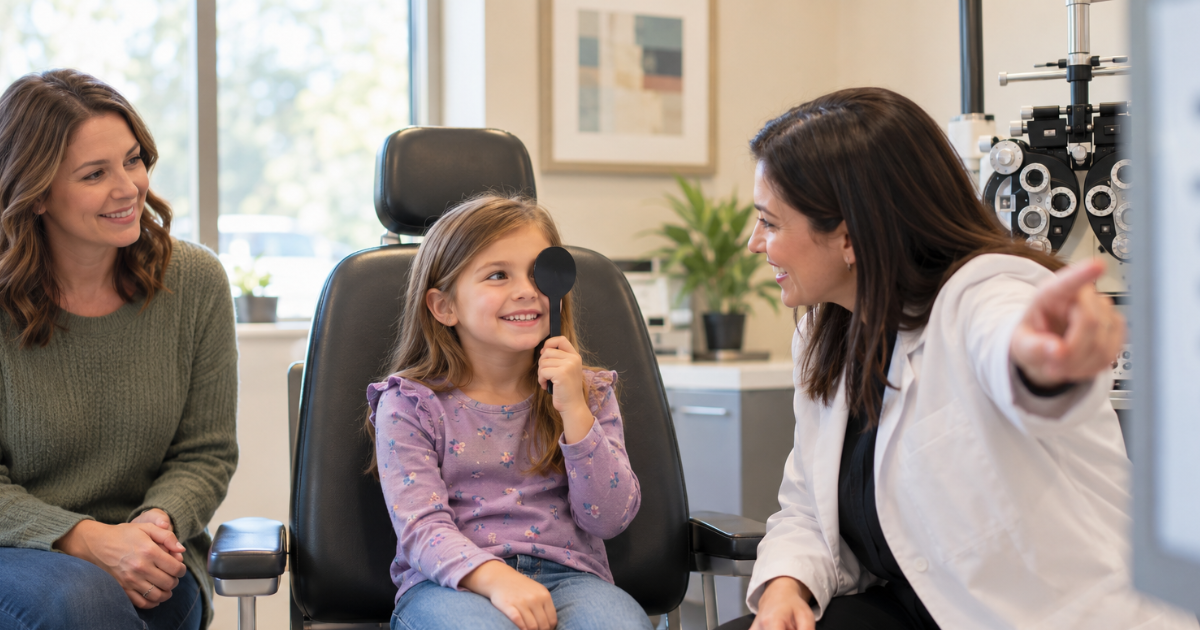
Visual needs change over time. Children may require age-appropriate testing for developing vision. Students and working adults may experience changing prescriptions or discomfort during prolonged near tasks. Older adults may need closer monitoring for conditions that become more common with age.
People with diabetes can have additional eye-health risks. The National Eye Institute explains that diabetic retinopathy can damage retinal blood vessels and may not cause symptoms during its early stages. The frequency and type of examination should be determined with the patient’s healthcare providers.
Technology allows care to become more responsive to these changing needs. The objective is not to perform every available test on every person. It is to select the examinations and tools that provide relevant information for that patient.
Eye Love Olympia serves patients from its Tumwater location and throughout the greater Olympia area. The practice provides comprehensive and pediatric eye exams, contact lens care, diabetic eye exams, emergency evaluations, medical eye care, dry eye services, myopia control, and optical assistance.
Its technology-focused approach includes advanced diagnostic tools such as digital retinal imaging and visual field testing. The practice also offers customized eyewear and contact lens options within a modern, patient-focused setting.
The future of optometry is not defined by equipment alone. It is defined by the ability to turn accurate information into clear recommendations that fit each patient’s health and daily life. When modern technology is paired with careful examination and thoughtful communication, eye care becomes more precise without losing its human focus.