Glaucoma Care Is a Long-Term Data Problem, Not a One-Time Test
Glaucoma Care Is a Long-Term Data Problem, Not a One-Time Test Glaucoma testing and management works best when it is treated as an ongoing measurement…


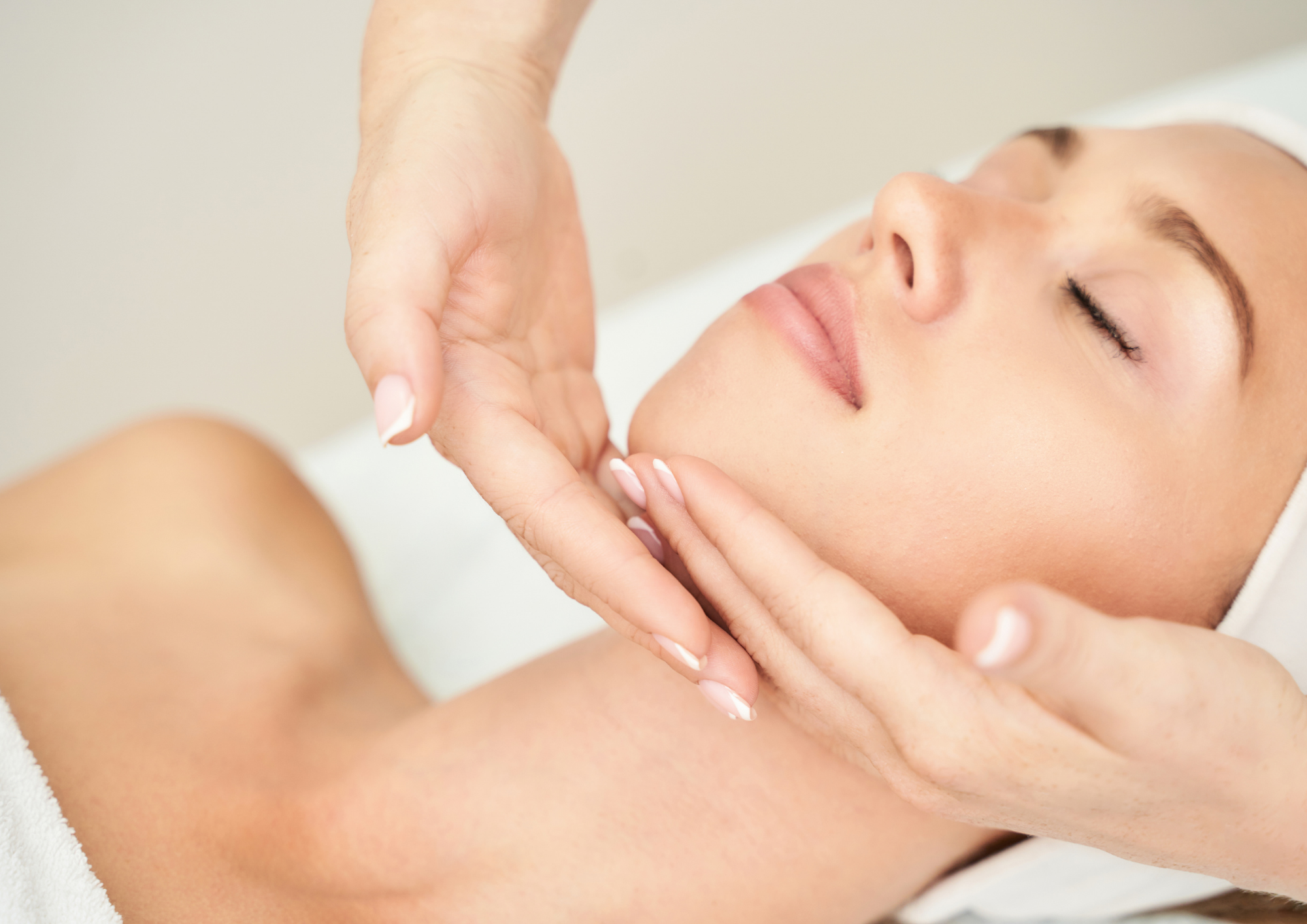
Therapeutic massage services are most useful when the pressure, duration, techniques, and environment are selected for a clearly understood purpose.
Massage is often discussed as if every session delivers the same experience. In practice, a light relaxation massage, focused upper-body work, and a firm full-body session can feel very different. The right choice depends on a person’s comfort, health history, daily activities, and reason for seeking care.
A thoughtful selection process helps clients set realistic expectations while giving the massage therapist the information needed to provide a safe, comfortable session.
Before choosing a service, identify what a successful session would mean. Some people want quiet time away from screens and responsibilities. Others notice general stiffness after travel, desk work, exercise, or physically demanding tasks. The desired outcome affects the service format.
Common goals may include:
These are starting points rather than medical diagnoses. Massage therapists work within a defined professional scope and should not diagnose injuries or replace care from a physician, physical therapist, or other healthcare provider.
The National Center for Complementary and Integrative Health explains that massage is used both to support wellness and to help manage certain health concerns. However, research findings vary by condition, and some observed benefits may be short term. That distinction is important when setting expectations.
A quality massage begins before hands-on work starts. The intake conversation allows the therapist to understand preferences, identify precautions, and develop a suitable plan.
Clients should be prepared to discuss:
This exchange should continue throughout the session. Pressure that feels comfortable at the beginning may become too intense as the therapist works through a sensitive area. Clients should feel free to request less pressure, more pressure, a different position, or an end to a technique.
The National Certification Board for Therapeutic Massage and Bodywork’s standards emphasize informed consent, appropriate assessment, professional boundaries, privacy, and the client’s right to refuse any part of a session. These are essential features of professional service rather than optional courtesies.
Light, flowing techniques may be appropriate for someone primarily seeking rest, a calming environment, and a gentle full-body experience. This format can also suit clients who do not enjoy intense pressure.
More pressure is not automatically more effective. A session that causes guarding, sharp pain, or anxiety may work against the client’s goal of relaxation. Comfort provides useful feedback about whether the chosen approach is appropriate.
Firm massage may appeal to clients who prefer a more grounded sensation or want focused attention on areas affected by everyday activity. The therapist can adjust pace and pressure based on tissue response and client feedback.
Firm work should still remain within a comfortable, agreed range. Pain is not proof that a technique is working. Persistent or unexplained pain should be evaluated by an appropriate healthcare professional rather than repeatedly treated as ordinary muscle tension.
Warm stones can add a soothing thermal element to a relaxation session. Temperature should always feel comfortable, and clients should speak up immediately if a stone feels too hot.
Heat may not be suitable for everyone, particularly people with reduced sensation or certain medical conditions. A therapist needs accurate health information to decide whether the technique should be modified or avoided.
A 30-minute massage can work well for a focused upper-body session. It gives the therapist time to concentrate on a limited number of areas without trying to fit full-body work into an unrealistic window.
A 60-minute session offers more flexibility. It may accommodate a full-body relaxation sequence or provide substantial time for selected areas. A 90-minute service allows for slower transitions, broader coverage, and extended attention where appropriate.
Longer is not always better. The best duration is the one that supports the goal without exceeding the client’s comfort, schedule, or budget. A first-time client may prefer a shorter or standard-length service before choosing an extended session.
Massage research is growing, but the evidence does not support treating it as a universal solution. NCCIH reports that massage has been studied for concerns including low-back pain, neck and shoulder pain, headaches, and knee osteoarthritis. Some studies suggest short-term benefits, while evidence quality and consistency vary.
The Mayo Clinic’s massage therapy overview similarly presents massage as a possible component of integrative care rather than a replacement for conventional medical treatment. This is a useful framework: massage may complement a broader wellness or care plan, but it should not delay medical evaluation.
The Cleveland Clinic describes massage within integrative wellness services, reinforcing the importance of choosing techniques based on individual needs and health considerations.
For consumers, responsible marketing should avoid guarantees. Claims that massage will cure disease, remove toxins, or permanently correct an injury go beyond what a relaxation or spa service can establish.
Massage is generally considered low risk when performed by a trained professional, but it is not appropriate in every situation. NCCIH notes rare reports of serious adverse effects, with some involving vigorous techniques or people at increased risk of injury.
Ask a healthcare provider whether massage is appropriate if you have concerns involving:
A massage therapist may adapt positioning, pressure, products, or areas of contact, but some situations require postponing the service or obtaining medical guidance.
Scent can contribute to the atmosphere of a massage, but fragrance preferences and sensitivities vary. Essential oils should not be assumed to be appropriate for every client.
The NCCIH overview of aromatherapy explains that essential oils may be inhaled or applied to the skin in diluted form, while evidence for specific health benefits remains limited. Clients with asthma, allergies, migraines, sensitive skin, or fragrance intolerance should disclose those concerns beforehand.
If aromatherapy is included, ask which scents are used and whether an unscented alternative is available. Any burning, itching, breathing difficulty, or other unexpected reaction should be reported immediately.
Massage combines technical knowledge with a high level of trust. Clients should expect clear communication, suitable draping, hygienic practices, privacy, and respect for personal boundaries.
The Indiana Professional Licensing Agency provides massage therapy licensing information, including links to applicable statutes and administrative rules. Checking state resources can help consumers understand the local regulatory framework.
The American Massage Therapy Association also highlights the role of research in informing professional practice. Ongoing education helps therapists evaluate new techniques and communicate responsibly about benefits and limitations.
A well-organized menu should help clients distinguish services by pressure, focus, duration, and included enhancements. The descriptions should make it possible to identify whether a service is designed for light relaxation, firmer work, upper-body attention, or a full-body experience.
Southwest Hair and Day Spa offers massage and body services at its West Jefferson location in Fort Wayne. Its current menu includes light-pressure relaxation massage, focused upper-body options, firm relaxation services, and relaxation massage with hot stones. Massage services also include lavender and peppermint aromatherapy, making it important for fragrance-sensitive guests to communicate their needs in advance.
The menu also offers body-focused treatments, including an exfoliating body polish. Although massage and body treatments may appear in the same category, their primary purposes differ. Clients should read the description carefully rather than assuming every service involves the same techniques.
A few practical steps can improve the experience:
No. Some firm techniques may create intensity, but sharp pain, numbness, or a need to brace should be reported. Effective pressure should remain within the client’s consent and comfort.
This depends on the service and personal preference. Clients should undress only to their level of comfort. Professional draping keeps areas covered except for the part being worked on.
There is no universal schedule. Frequency depends on goals, response, health considerations, time, and budget. A therapist can discuss options without guaranteeing a particular result.
No. Massage may support relaxation or complement a care plan, but it should not be used to postpone evaluation of persistent pain, injury, neurological symptoms, or another health concern.
The value of massage depends on alignment between the client’s goals, the therapist’s skills, and the selected service. Clear communication makes it easier to choose an appropriate pressure level, session length, and focus.
When expectations are realistic and health considerations are taken seriously, massage can become a purposeful part of a broader wellness routine. The most professional experience is not defined by the strongest pressure or the longest service. It is defined by informed choices, respectful boundaries, responsive technique, and attention to the individual.