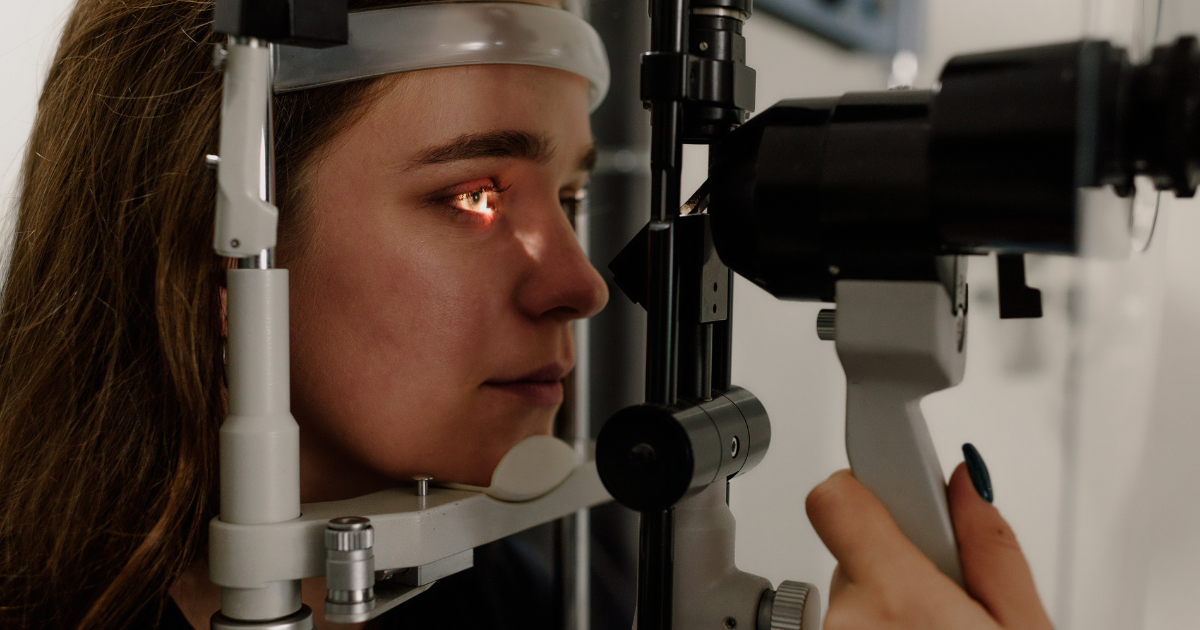
Pediatric Eye Exams in McKinney, TX
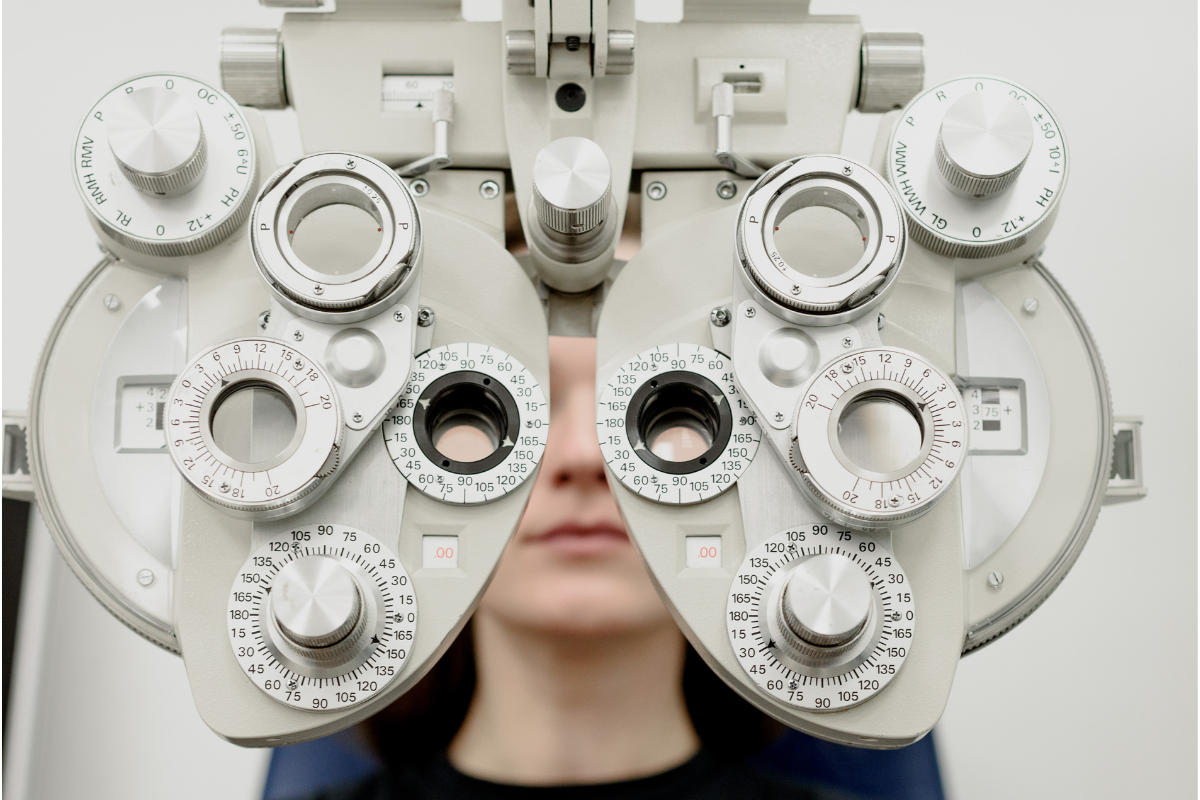
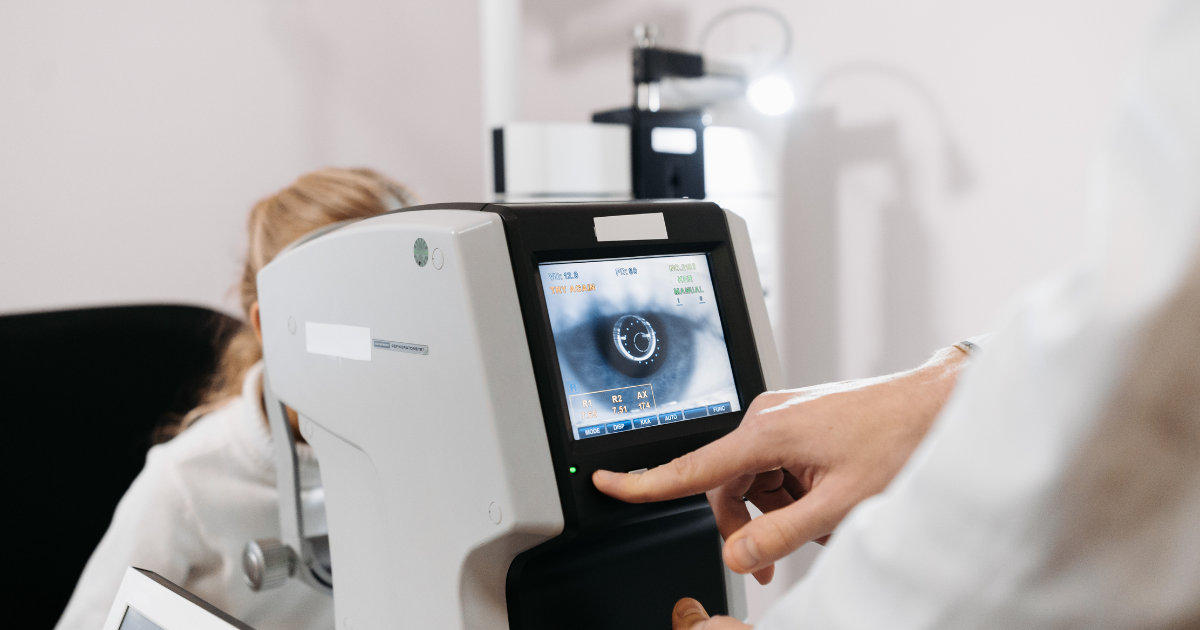
Pediatric eye exams in McKinney, TX can use age-appropriate testing and modern diagnostic tools to evaluate a child’s vision even when that child is too…

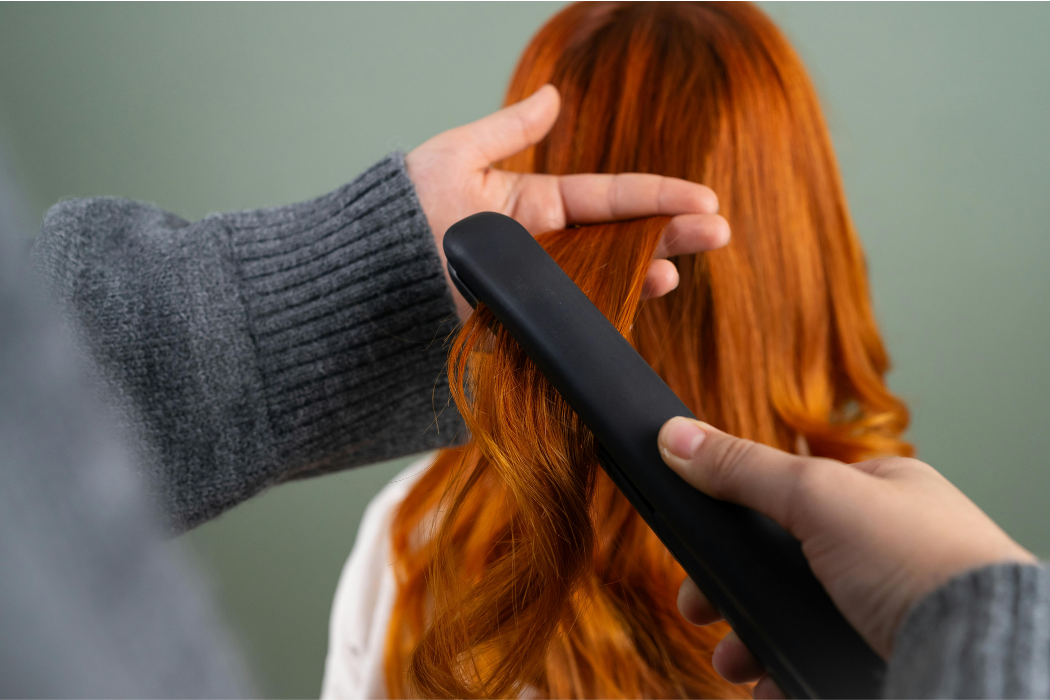
A Hair salon may be built around personal service, but technology increasingly shapes everything that happens before, during, and after a client’s visit.
Online scheduling, digital consultations, automated reminders, secure service records, and educational content can remove uncertainty from the salon experience. Used thoughtfully, these tools allow professionals to spend less time managing administrative details and more time listening, planning, and delivering personalized care.
Technology should not replace human expertise. Its most valuable role is to provide the right information at the right time while making the client journey more convenient, consistent, and transparent.
The client experience often begins long before someone enters the salon. A prospective guest may compare services, review stylist profiles, examine policies, submit questions, and look for available times from a phone or computer.
A practical website should help visitors quickly answer several questions:
Online scheduling is most useful when it simplifies these decisions instead of presenting an unexplained list of technical service names. Clear descriptions, realistic time estimates, and an option to contact the salon can prevent guests from selecting an unsuitable service.
A technically impressive website can still create barriers if its text is difficult to read, images lack descriptions, forms cannot be used with a keyboard, or instructions depend entirely on color. The U.S. Department of Justice provides guidance explaining how accessible web design helps people with disabilities use services offered by public-facing businesses.
Salon owners evaluating a booking platform should therefore consider usability alongside features. A streamlined system that works for more people provides greater business value than a complicated interface with numerous unused functions.
Choosing a new stylist can feel uncertain because technical ability is only one part of compatibility. Communication style, service interests, experience with particular textures, maintenance preferences, and personality can all affect the relationship.
A digital matching questionnaire can organize this information before the first conversation. Useful questions might address:
The results should guide the consultation rather than make the final decision. Hair condition, scalp comfort, service history, and visual assessment still require professional judgment.
Digital service records can help a salon maintain consistency between visits. Depending on the service, a record may include color formulas, processing observations, haircut preferences, extension details, product recommendations, sensitivities, or notes about how a previous result performed.
These records become especially valuable when a client returns after several months or works with another qualified professional on the same team. Instead of relying entirely on memory, the salon can review the previous plan and make an informed adjustment.
A useful record should capture more than what was performed. It can also document what the client reported afterward. For example, color may have faded sooner than expected, fringe may have required too much styling, or a treatment may have improved manageability without reducing volume.
This creates a feedback loop:
Convenience introduces responsibility. Booking systems may store names, phone numbers, email addresses, service histories, payment-related information, and personal preferences. Businesses should collect only the information they genuinely need and protect it appropriately.
Small businesses do not need an enterprise-sized technology department to establish sensible controls. The National Institute of Standards and Technology offers a Cybersecurity Framework quick-start guide specifically for smaller organizations.
Practical protections can include:
The Cybersecurity and Infrastructure Security Agency also recommends multifactor authentication as an additional safeguard for company accounts and customer information. This extra verification step can reduce the risk created by a compromised password.
Automated confirmations and reminders can reduce missed visits, but timing and clarity matter. Messages should identify the service, date, time, location, preparation instructions, and a straightforward way to contact the business.
Automation can also support follow-up. A salon might provide washing guidance after color, care instructions for extensions, or reminders about symptoms that should prompt an earlier assessment. The purpose is not to send as many messages as possible. It is to prevent avoidable confusion.
Artificial intelligence may expand these capabilities through scheduling assistance, frequently asked questions, inventory analysis, or draft communications. The U.S. Small Business Administration advises small businesses to consider both the potential benefits and risks of AI tools.
Information produced by automation should be reviewed carefully, particularly when it concerns chemical compatibility, scalp symptoms, allergies, or service suitability. A chatbot can explain general preparation, but it should not diagnose a scalp condition or approve a complex chemical transformation.
Salon technology is not limited to marketing and scheduling. Digital product inventories, current safety data sheets, staff training records, and equipment-maintenance logs can support safer daily operations.
This is particularly important for chemical services. Products marketed under broad terms such as smoothing, keratin, or frizz control can have different ingredients and usage requirements. The Occupational Safety and Health Administration reports that certain hair-smoothing products may contain or release formaldehyde.
Salon teams should be able to identify the exact product being used, access manufacturer instructions, follow ventilation requirements, and explain relevant precautions. Digital documentation makes essential information easier to locate, but employees still need training to interpret and apply it correctly.
Online reviews help prospective clients understand communication, cleanliness, scheduling, atmosphere, and how results perform outside professional lighting. The most informative reviews often include specific details rather than broad praise.
Businesses should preserve the integrity of this feedback. The FTC’s Consumer Reviews and Testimonials Rule addresses deceptive conduct involving fake or misleading reviews.
Salons can learn more from recurring review themes than from a single rating. Repeated comments about clear consultations or convenient checkout may identify strengths. Consistent confusion about service selection may reveal where website descriptions or booking instructions need improvement.
Located at 2411 N. Stadium Boulevard in Columbia, Missouri, Hair Therapy Salon & Day Spa combines digital resources with consultation-led salon and spa services.
Its website provides online booking for new and returning guests, along with an option to request assistance when the appropriate service is unclear. New guests can use a stylist-matching survey designed to consider hair needs and personality compatibility. Service and product videos offer another way to learn before scheduling.
The published menu includes tailored haircuts, customized color, temporary smoothing, permanent straightening, curly perms, treatments, extensions, human-hair wigs, human-hair toppers, and scalp spa services. Private consultations are available for clients exploring wigs and toppers, helping them compare solutions based on lifestyle, desired appearance, and maintenance preferences.
Consumers may independently research professional requirements through the Missouri Board of Cosmetology and Barber Examiners, which provides licensing information and public resources.
Technology should make a salon easier to understand and work with. Before selecting a business, consider whether its digital experience provides:
The most advanced salon is not necessarily the one with the greatest number of apps or automated features. It is the business that uses technology intentionally, protects the information entrusted to it, and creates more space for meaningful professional attention. When digital systems support rather than overshadow the relationship, both the business and its clients benefit.