Eye Care in Sealy, TX: When Standard Lenses Are Not Enough
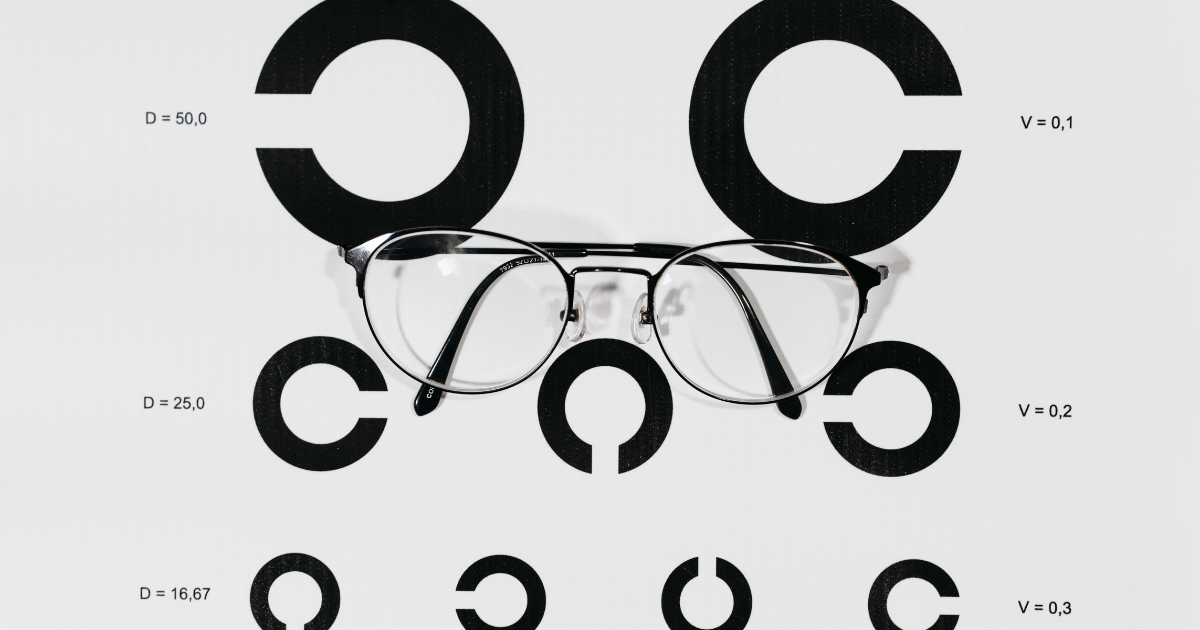
Eye care in Sealy, TX can involve more than updating a glasses prescription when vision remains distorted or contact lenses are difficult to wear. For…

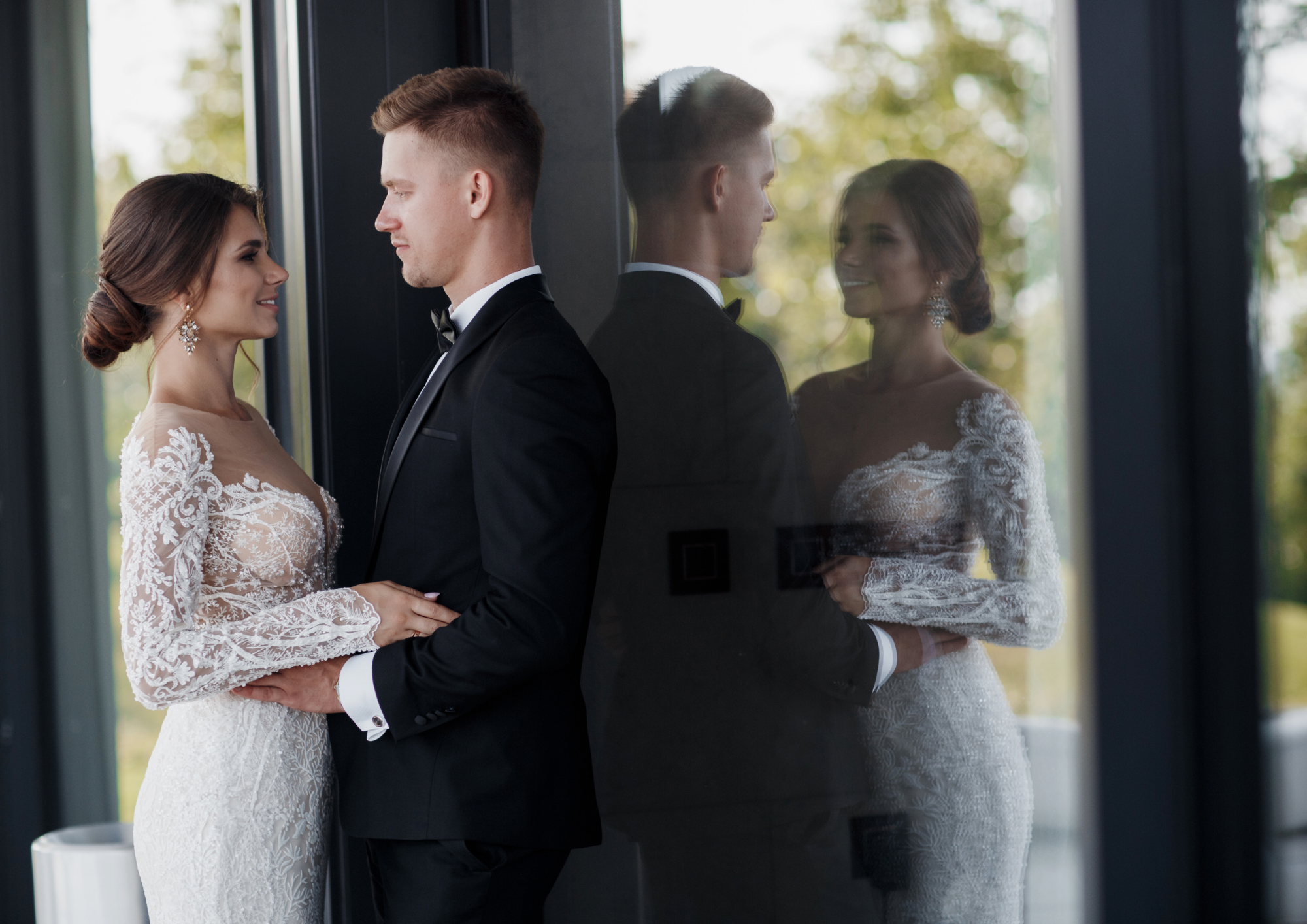
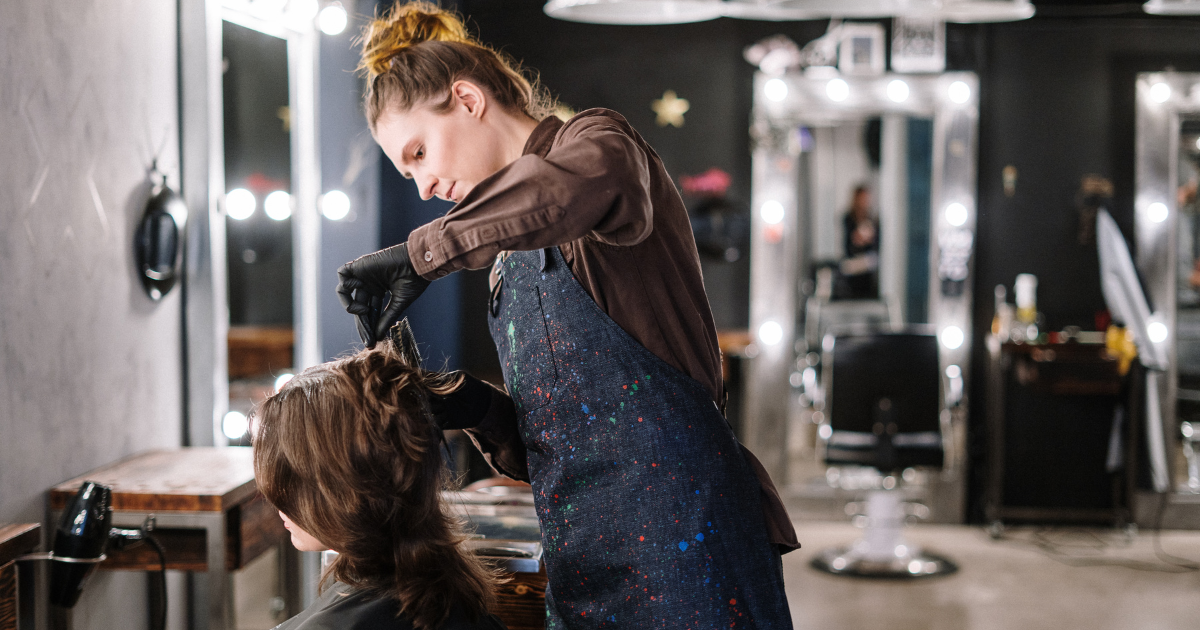
Successful bridal hair styling is not created by technique alone; it depends on a coordinated process that connects the consultation, trial, wedding schedule, hair preparation, accessories, weather, and the movements of an entire bridal party.
Wedding beauty is often discussed in visual terms: romantic waves, polished buns, modern texture, or timeless glamour. Behind every finished look, however, is a small event operation. Stylists need accurate information, enough working time, appropriate tools, and a plan for unexpected changes.
When those details are organized early, the wedding morning can feel relaxed instead of rushed. The hairstyle also has a better chance of looking intentional from the first photograph through the final dance.
Reference photos are useful, but they do not provide all the information a stylist needs. A style photographed on one person may behave differently on another because of hair density, length, texture, layering, color, or previous chemical services.
A productive bridal consultation should cover:
These details function like project requirements. They allow the stylist to recommend a design that works with the full event rather than reproducing an isolated image.
A bridal trial is sometimes treated as a chance to see whether a style is “pretty.” Its more important role is testing how the complete design works before the wedding.
During a useful trial, the stylist can evaluate how quickly the hair holds curl, whether additional volume is needed, where pins remain comfortable, and how a veil affects the structure. The bride can assess whether the design feels authentic and whether it remains comfortable after more than a few minutes.
Bring the following whenever possible:
Photograph the trial in natural and indoor light. A style that looks balanced in the mirror may appear different through a camera lens. Front-facing photos are particularly important because many wedding images are captured from that angle, even when the most intricate work is at the back.
One of the simplest scheduling mistakes is starting with the ceremony time. The more useful deadline is when the bride must be fully dressed and available for photography, transportation, or a first look.
Work backward from that moment and include time for:
The buffer matters because wedding mornings involve many dependencies. A late arrival, missing accessory, wardrobe issue, or change in the photography schedule can affect everyone who follows.
A written run-of-show should identify each person, service, start time, provider, and completion time. The bride should not be responsible for managing that document on the wedding morning. A planner, attendant, or designated family member can handle questions and keep the group moving.
Fine hair may benefit from strategic texture, padding, or extensions, depending on the desired result. Excessive product can make it look separated or heavy, so controlled preparation is usually more effective than adding layer after layer of spray.
Dense hair can support elaborate shapes, but its weight must be distributed comfortably. The stylist may need additional sectioning and anchoring time. A secure design should not create painful tension or rely on a few overloaded pins.
Natural texture can become an intentional part of the design rather than something that must be removed. The consultation should establish whether the bride wants curl definition, partial smoothing, stretched texture, or a fully polished finish.
The American Academy of Dermatology recommends limiting excessive heat and avoiding prolonged tension from tightly pulled styles. Those principles are particularly relevant when a hairstyle must remain in place for many hours.
Short cuts can be styled with sculpted texture, smooth volume, decorative pins, headbands, combs, or veils. Accessories should be tested during the trial because their weight and fastening mechanism may affect what the hair can support.
A veil or decorative comb is not merely a final ornament. It changes the engineering of the hairstyle.
The stylist needs to know:
If the veil will be removed, ask the stylist to demonstrate the process to a trusted attendant. Pulling it upward or removing pins without understanding the anchor points can disturb the entire shape.
A button-front or wide-neck garment is also useful during preparation because it can be removed without passing over finished hair and makeup. This small operational detail prevents avoidable rework.
Humidity, rain, wind, heat, and cold can all affect the behavior of styled hair. Weather planning should begin with the event format. Outdoor ceremonies, open-air transportation, waterfront photographs, and long walks between venues create different risks than a fully indoor wedding.
The National Weather Service provides an Event Ready Guide that encourages organizers to monitor forecasts, identify shelter, establish communication procedures, and assign decision-making responsibility. These principles apply to wedding logistics as well as larger public events.
For the hairstyle itself, weather preparation may include:
The objective is not to make hair completely unaffected by weather. It is to select a style whose natural evolution still looks attractive.
A demanding styling session is easier on hair that has not been subjected to several last-minute chemical changes. Major color corrections, unfamiliar smoothing services, and dramatic cuts should leave enough time for adjustment.
The AAD’s healthy-hair recommendations emphasize conditioning, gentle detangling, and limiting excessive heat. These habits are more useful when practiced consistently than when introduced the night before the wedding.
Follow the stylist’s preparation instructions closely. State of Mind Salon and Day Spa, for example, advises bridal clients to wash their hair the night before, wear a button-down shirt, and bring the intended headpiece for both the trial and wedding service. Its bridal process also includes a consultation and trial planning, along with hair, makeup, nail, and private-suite options for the bridal party.
Instructions can vary by style and hair type, so direct guidance from the bridal stylist should take priority over general internet advice.
When several people receive beauty services in sequence, sanitation cannot be treated as invisible background work. Clean tools, fresh applicators, and appropriate product handling protect both the client and the professional.
The U.S. Food and Drug Administration advises against sharing eye cosmetics and recommends clean instruments around the eye area. Its guidance also notes that false eyelashes and adhesives can cause irritation or allergic reactions.
The FDA’s information on cosmetic shelf life explains that products can degrade over time and that applicators may introduce bacteria or fungi. Heat can accelerate deterioration, which is worth remembering when assembling an emergency kit that might remain in a vehicle.
Indiana also publishes official sanitary and equipment requirements for cosmetology settings. Professional teams should have clear procedures for tool disinfection, disposable applicators, hand hygiene, and product handling throughout the service schedule.
A wedding is a poor time to discover a fragrance sensitivity or reaction to an adhesive. Any history of skin irritation, watery eyes, or product allergies should be discussed during the consultation and trial.
The American Academy of Dermatology’s contact dermatitis guidance explains that many substances, including fragrance, can irritate skin or cause an allergic reaction. Symptoms may appear immediately or develop later.
Testing the full look in advance gives the client and artist time to identify problems. Stop using a product if it causes burning, itching, swelling, or a rash, and seek medical guidance when a reaction is severe or persistent.
A memorable wedding hairstyle may appear effortless, but that appearance is usually the result of careful planning. The consultation defines the requirements, the trial tests the design, the timeline manages dependencies, and the contingency plan protects the result.
Treating bridal beauty as a coordinated system does not make the experience less personal. It creates more room for the personal moments because fewer decisions are left unresolved. When the plan is clear, the bride and her party can focus less on the clock and more on the reason they gathered.