Eye Care in Sealy, TX: When Standard Lenses Are Not Enough
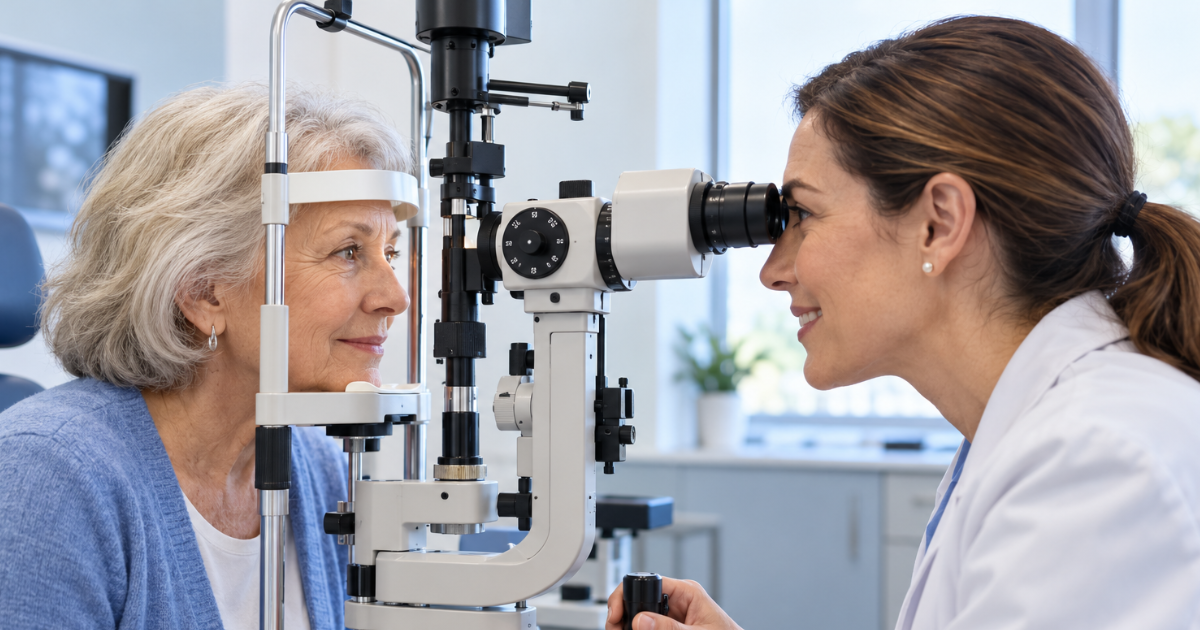
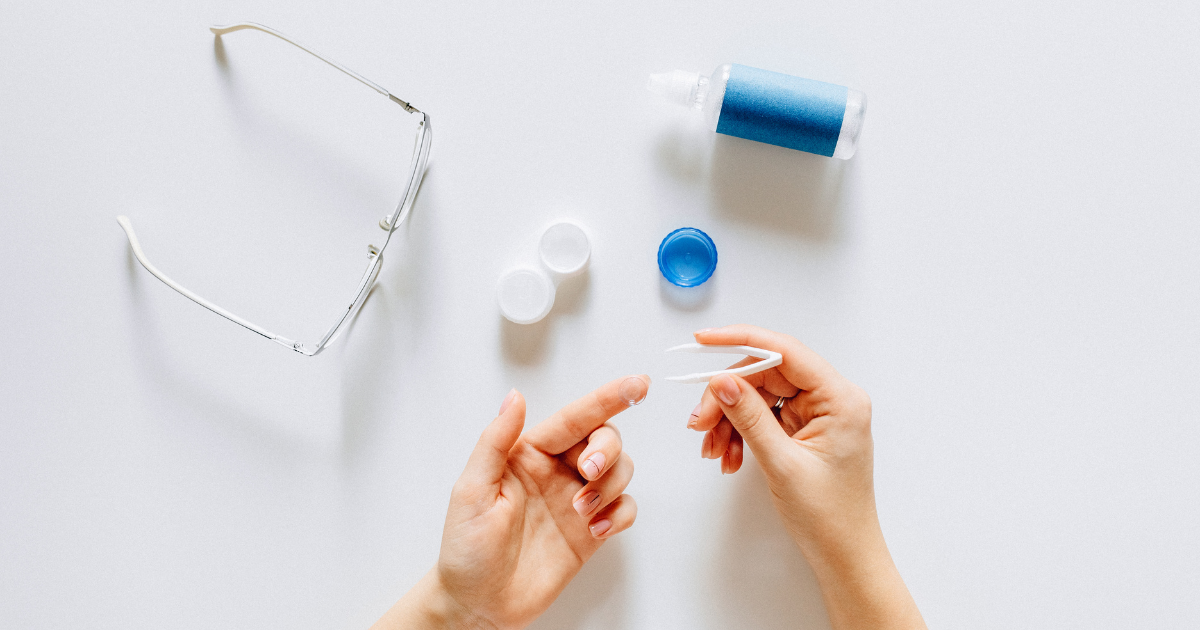
Eye care in Sealy, TX can involve more than updating a glasses prescription when vision remains distorted or contact lenses are difficult to wear. For…

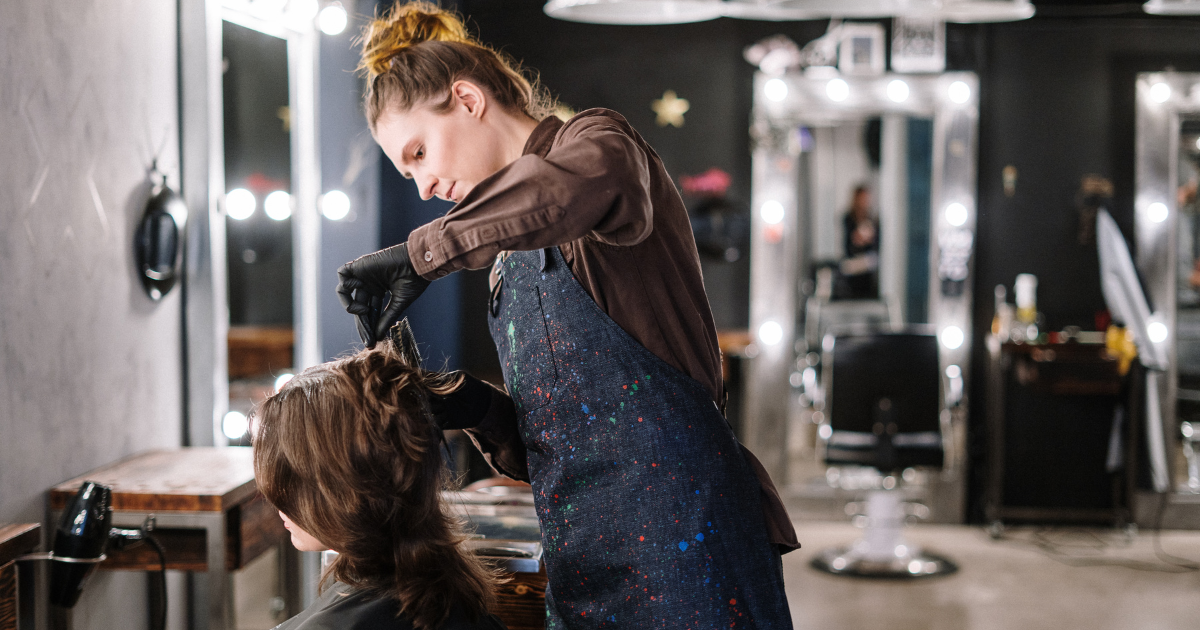
The strongest custom haircut services are designed much like a good digital product: they begin with the user, account for real-world constraints, and remain useful long after the initial launch.
A haircut is often judged by its salon finish, but that is only the first test. The more meaningful measure is what happens after the client washes it, sleeps on it, encounters humid weather, or has ten minutes to get ready for work.
This is where customization becomes more than a creative phrase. It is a structured process of gathering information, interpreting how the hair behaves, building an appropriate shape, and teaching the client how to maintain it.
A reference photo communicates taste, but it rarely provides enough information to design a successful haircut. The person in the image may have a different texture, density, growth pattern, styling routine, or amount of time available each morning.
A useful consultation translates visual inspiration into practical requirements. The stylist needs to understand both the desired appearance and the conditions under which the haircut must operate.
Important questions include:
This information prevents a stylist from solving the wrong problem. A client asking for “more volume” may actually need better weight distribution, while someone requesting “less bulk” may need movement without aggressive thinning.
Every head of hair presents a different combination of variables. Texture is only one of them. Strand diameter, density, porosity, elasticity, growth direction, chemical history, and climate exposure all influence how a haircut performs.
The American Academy of Dermatology recommends selecting routines and products according to hair type rather than assuming that one method works for everyone. That same principle applies to haircut design.
Density refers to how much hair grows across the scalp. Strand diameter describes whether individual fibers are fine, medium, or coarse. A person can have many fine strands or fewer coarse ones, and those combinations require different cutting decisions.
Fine hair may lose visual fullness when it receives excessive layering. Dense, coarse hair may become difficult to control if weight is removed without considering where the shorter pieces will expand.
Cowlicks, whorls, uneven hairlines, and directional growth can influence bangs, short cuts, and areas around the crown. A design that ignores those patterns may require constant heat and product to remain in place.
The better approach is often to work with the natural movement or leave enough length to control it.
Curly hair has additional variables, including shrinkage, variation between curl groups, and changes in volume as the hair dries. A scientific review of the structure and behavior of curly hair describes the complex relationship between follicle shape, fiber curvature, and curl formation.
This helps explain why a curl-aware haircut cannot be reduced to copying a straight-hair technique. The finished shape must account for where curls contract, separate, and stack.
Good design responds to context. For hair, that context includes commuting, exercise, dress codes, weather, product preferences, and available styling time.
Consider two clients who request the same shoulder-length cut. One wears the hair naturally wavy and wants to air-dry it. The other prefers a smooth blowout and uses a round brush several times a week. Their visual goal may be similar, but the internal structure and styling guidance may need to differ.
A stylist should know whether the haircut must support:
Customization is therefore not simply changing the length around the face. It is designing the full shape around how the client actually uses the hair.
Precision haircutting is sometimes associated only with sharp lines and geometric shapes. In reality, precision means that each decision has a purpose.
A soft, layered haircut can be precise. So can a curly shape, a clipper cut, or a loose fringe. The stylist is controlling weight, balance, proportion, and movement even when the result looks effortless.
Research into hair-fiber structure and degradation shows that hair is affected by mechanical, thermal, chemical, and environmental stress. A precise service therefore considers the condition of the fiber as well as its shape. Fragile, heavily lightened ends may not respond well to the same texturizing approach used on strong, untreated hair.
Wet hair can conceal volume, shrinkage, cowlicks, and uneven movement. Reviewing the haircut after drying allows the stylist to see how the design performs closer to its normal state.
During this stage, the stylist can evaluate:
The objective is not endless correction. It is controlled refinement based on actual performance.
A polished finish can be enjoyable, but it should not disguise structural problems. If the haircut works only after extensive curling, flat ironing, and product layering, the client may struggle to reproduce it.
Heat should be used deliberately. A study indexed by the National Library of Medicine found that higher dryer temperatures were associated with greater surface damage to hair. Another study of thermal damage documented changes to the cuticle and protein structure after high-heat exposure.
Practical heat-management steps include:
A professional finish should also function as a tutorial. Clients benefit from seeing where product is applied, how sections are directed, and which steps make the greatest difference.
Haircuts are often evaluated visually, but physical comfort also matters. A fringe that constantly falls into the eyes, layers that escape a required ponytail, or a heavily styled shape that pulls on the hairline can become impractical.
The American Academy of Dermatology’s guidance on traction alopecia warns that repeated tension from tightly pulled styles can contribute to breakage and hair loss. A client who regularly wears the hair back may benefit from a cut that reduces the need for extreme tension.
Pain should never be considered a normal feature of styling. A design that looks good while respecting the scalp and daily habits offers more sustainable value.
No haircut exists in a static state. Hair grows, color changes, seasons shift, and clients update their routines. A useful relationship with a stylist creates a feedback loop between visits.
At the next service, the client can report:
Those observations become useful data for the next version of the haircut. The goal is not to repeat the previous service automatically. It is to preserve what worked and improve what did not.
A customized haircut does not require an oversized collection of products. It requires a small number of products that suit the hair type and desired finish.
The U.S. Food and Drug Administration advises consumers to stop using a cleansing product if it causes problems such as itching, rash, breakage, or hair loss and to consult a healthcare provider when appropriate.
Rather than recommending products based only on trend or fragrance, a stylist should explain the function of each one:
The amount and placement matter as much as the formula. Fine hair may need product concentrated at the ends, while dry curls may benefit from more complete distribution.
Teezerz in Bayonne structures its cut-and-style menu around different use cases, including short and long haircuts, children’s cuts, bang and facial-hair trims, blowouts, thermal finishing, and special-occasion styling. The salon also lists a complimentary consultation and notes that its team participates in monthly education.
That combination matters because customization depends on both communication and continued technical development. A service menu provides the options, but the consultation determines which option fits the client.
Clear answers make it easier to approve the design with realistic expectations.
A successful custom haircut does more than create a strong first impression. It translates the client’s preferences, hair behavior, and daily constraints into a repeatable system.
The consultation gathers the requirements. Technical skill builds the structure. The dry check tests its performance. Styling education supports daily use, and future feedback improves the next version.
That process may sound analytical, but its outcome is deeply personal: hair that feels easier to understand, more comfortable to wear, and more consistent with the person living in it.