Why the Most Useful Eye Exam Is an Adaptive Workflow
Why the Most Useful Eye Exam Is an Adaptive Workflow Modern personalized eye examinations work like adaptive systems: each answer and finding helps determine what…

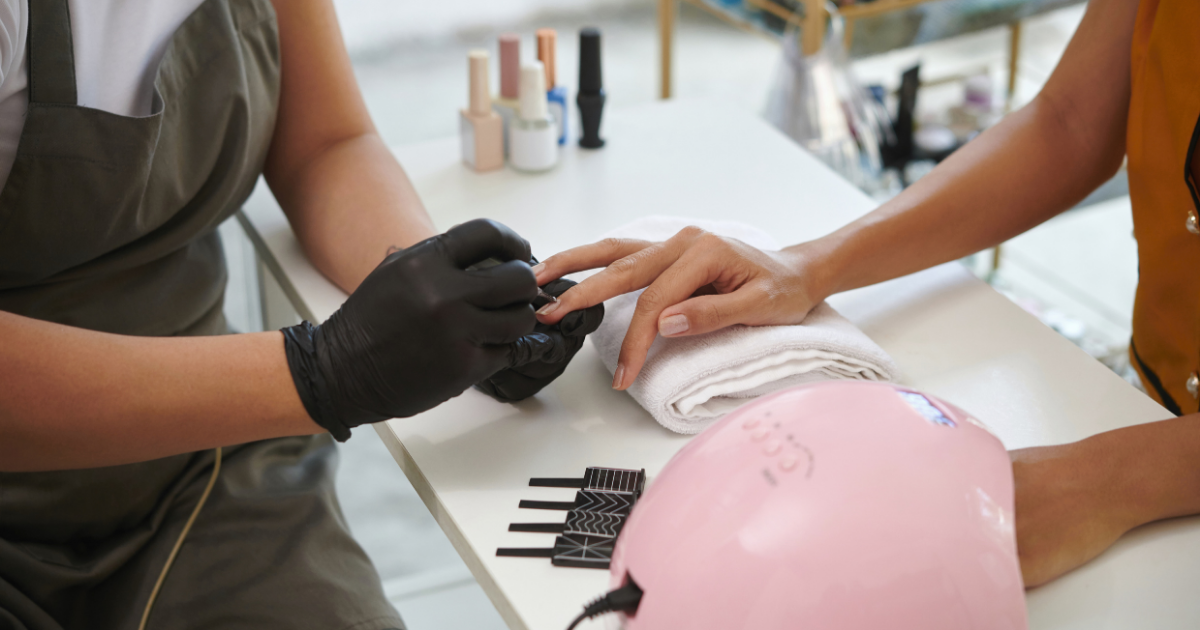
Professional nail services produce their best results when every step, from the initial consultation to removal, is treated as part of one connected system.
A finished set may look like a purely creative product, but its durability depends on a series of technical decisions. The technician must assess the natural nails, select a suitable enhancement, prepare the surface conservatively, control product application, shape the structure, and explain maintenance. Hygiene and air quality operate in the background throughout the process.
A reference photo communicates style, but it does not describe how a person uses their hands. Long extensions that suit a special event may be impractical for someone who types continuously, wears gloves at work, plays a stringed instrument, or cares for small children.
An effective consultation should establish several requirements:
This information turns a visual idea into a workable specification. It can also reveal when shorter length, a simpler overlay, conventional polish, or a temporary pause from enhancements would be the more sensible choice.
Dip powder, full-cover gel tips, and structured hard gel do not create identical results. Dip systems add a durable coating over the natural nail and may also be used with tips. Full-cover gel extensions add length with a preformed tip, while builder or hard gel can create a reinforcing overlay and carefully balanced shape.
None of these categories is automatically ideal for everyone. Selection should consider the starting nail, desired length, expected wear, removal method, and service schedule. Temporary event length creates different needs from a structured overlay maintained month after month.
Product choice also carries a safety dimension. The U.S. Food and Drug Administration’s nail product guidance notes that nail cosmetics should be used according to their directions and warnings. It also explains that methacrylate ingredients can cause redness, swelling, or pain in people who become sensitized. A history of itching, blistering, swelling, or burning around nail products should therefore be disclosed before service, not treated as a minor inconvenience.
Enhancements need a clean, dry surface and an accurately prepared nail plate. Yet more filing is not necessarily better. Excessive abrasion can thin the natural nail, while aggressive work around living skin can cause discomfort or create a path for infection.
The cuticle has a protective role. In its guidance on reducing artificial-nail damage, the American Academy of Dermatology recommends avoiding cuticle trimming and explains that artificial-nail preparation and removal can weaken natural nails.
Preparation should accomplish a defined goal with the least unnecessary impact. The technician removes contaminants and nonliving material, then refines the nail only as the chosen system requires.
Enhancement products are chemical systems. Base products, gels, powders, adhesives, top coats, and lamps are designed to perform under particular conditions. Measuring the right amount, avoiding skin contact, controlling thickness, and following the manufacturer’s curing or setting directions all affect the outcome.
Gel products harden through exposure to a compatible light source for a specified period. A layer that looks solid on top may not have completed its reaction throughout if the coating is too thick, the light is unsuitable, or the exposure time is wrong. This is one reason a lamp and gel should be used as a deliberate system rather than as interchangeable accessories.
Light-cured manicures also involve ultraviolet exposure. The American Academy of Dermatology’s gel manicure advice suggests applying broad-spectrum, water-resistant SPF 30 or higher sunscreen to the hands or wearing dark, opaque, fingertip-free gloves before curing. Clients with recurring nail problems or unusual skin changes should seek medical advice rather than cover the concern with another coating.
Length and color are immediately visible, but balance is equally important. A well-designed enhancement distributes material according to the nail’s shape and expected stress. Sidewalls, the transition near the cuticle, the apex or reinforced area, and the free edge should work together.
An enhancement that is too long for its structure or too bulky for the wearer’s routine may catch, lift, or feel awkward. The objective is not maximum thickness. It is sufficient support in the right places, combined with a length the client can use comfortably.
A polished environment can look clean without proving that reusable implements have been processed correctly. Effective sanitation is operational: staff separate used and ready tools, clean away visible debris, apply an appropriate disinfectant, observe its labeled contact time, and store processed items to prevent contamination.
The Environmental Protection Agency’s disinfectant instructions emphasize reading the label, pre-cleaning the surface, and keeping it visibly wet for the stated contact time. Spraying and immediately wiping a surface may not satisfy the product directions.
Single-use files, buffers, and similar porous items require a different workflow from nonporous implements. A client can reasonably ask which items are disposable, how reusable tools are handled, and whether the salon is licensed. In Florida, the Department of Business and Professional Regulation specifies registration requirements for professionals performing manicures, pedicures, and nail extensions and provides a public license-verification service.
Odor is an imperfect measure of exposure. Vapors and filing dust can be present without a strong smell, so the useful question is how contaminants are controlled at their source.
The National Institute for Occupational Safety and Health recommends general room ventilation plus local exhaust at workstations to reduce chemicals in the air. It also advises keeping containers closed and using suitable dispensing bottles. These controls primarily protect technicians, who experience repeated exposure, while creating a more comfortable setting for clients.
The Occupational Safety and Health Administration’s nail salon guide adds practical guidance on ventilation, chemical handling, personal protective equipment, and ergonomic strain. Together, these resources show that a quality salon manages the workspace as carefully as the finished nails.
An enhancement begins growing away from the cuticle as soon as the natural nail grows. That changes its balance over time. Maintenance timing depends on growth rate, product, length, condition, and daily use, so a fixed schedule cannot guarantee the same result for everyone.
Clients should contact the salon when they notice significant lifting, cracking, trapped moisture, or discomfort. Gluing down a lifted area or picking at loose product can conceal a problem and remove layers of the natural nail. The same principle applies to removal: peeling and prying trade a quick result for avoidable damage.
A practical aftercare routine includes:
The Nail Bar & Beautique in St. Augustine publishes a current enhancement menu that includes dipping powder manicures, Gel X full sets, and builder or hard gel services. The salon states that it no longer offers traditional acrylic sets, a useful detail for clients comparing service categories before they visit.
Its website also describes disposable client manicure and pedicure kits, processing procedures for nonporous implements, a cleaning schedule, and ventilation at each nail station. Those details matter because they make background operating practices visible. Clients can compare not only colors and designs, but also the systems intended to support consistency, cleanliness, and comfort.
A client does not need to become a product chemist to make an informed choice. A few specific questions can uncover how thoughtfully the service has been designed:
The most reliable nail enhancement is not defined by one brand or technique. It results from compatible materials, careful preparation, sound structure, controlled hygiene, and realistic aftercare. When those elements operate as one system, creative design and practical wearability can support each other.