Medical weight loss in Savannah, GA combines clinical evaluation, health data, lifestyle guidance, and appropriate treatment options to create a plan based on the individual rather than a generic diet.
This structured approach matters because weight is influenced by more than food choices or willpower. Sleep, stress, medical conditions, medications, hormones, activity levels, genetics, and daily routines can all affect progress.
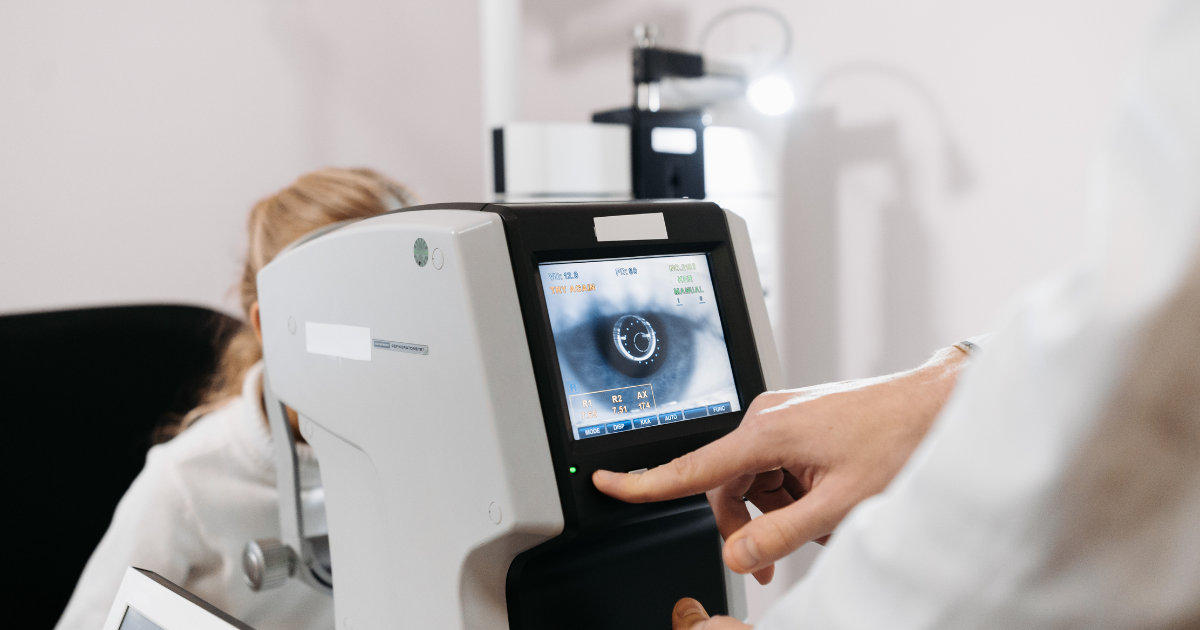
Modern tools make these factors easier to evaluate. Laboratory testing can establish a health baseline, while food logs, connected scales, activity trackers, and follow-up consultations can reveal patterns over time. Technology does not replace clinical judgment, but it can provide better information for personalized decisions.
Why Generic Weight-Loss Plans Often Fall Short
Mass-market programs are usually designed for the average customer. They may prescribe the same calorie target, meal schedule, or exercise plan regardless of a participant’s health history or physical limitations.
A medically supervised program begins with more useful questions:
- Has the patient’s weight changed recently?
- Are current medications associated with weight gain?
- Could sleep problems be affecting appetite and energy?
- Are blood pressure, blood sugar, or cholesterol concerns present?
- What eating patterns fit the patient’s schedule and preferences?
- Are injuries or medical conditions limiting physical activity?
- Would prescription medication be appropriate and safe?
The answers help the provider determine which interventions are relevant. They can also prevent a patient from investing time in an unsuitable plan.
The Initial Evaluation Establishes a Baseline
A professional weight-management program should begin with an assessment rather than an immediate prescription. The evaluation may include a review of medical history, current medications, supplements, previous weight-loss attempts, nutrition, physical activity, sleep, and personal goals.
Clinical measurements and laboratory tests can provide additional context. Depending on the patient, a provider may review blood pressure, glucose-related markers, cholesterol, kidney or liver health, and other relevant information.
Body mass index, or BMI, may be used as a screening measurement, but it does not tell the entire story. It should be considered alongside medical conditions, laboratory findings, body measurements, and other individual risk factors.
The National Institute of Diabetes and Digestive and Kidney Diseases recommends choosing a weight-loss program with realistic goals, healthy eating guidance, physical activity, behavioral support, and a plan for maintaining results.
How Technology Can Improve Personalization
Weight-management technology is most valuable when it helps answer a specific question. A step counter can show whether daily movement is increasing. A food log may reveal missed meals or recurring liquid calories. A connected scale can show a long-term trend without placing too much importance on one day’s fluctuation.
Useful information may include:
- Weekly weight trends
- Meal timing and food choices
- Protein, fiber, and fluid intake
- Daily movement and structured exercise
- Sleep duration and consistency
- Medication adherence
- Hunger, fullness, and side effects
- Blood pressure or glucose readings when indicated
More data is not always better. Tracking should be detailed enough to guide decisions without becoming stressful or impossible to maintain. Providers can help patients choose a method that fits their habits and comfort level.
Nutrition Guidance Should Fit Everyday Life
A sustainable eating plan must work outside the clinic. It should consider health needs, food preferences, cultural traditions, cooking skills, work schedules, and budget.
Nutrition guidance may address portion awareness, protein and fiber, fruits and vegetables, hydration, grocery shopping, restaurant meals, and triggers for stress-related eating. It should also leave room for ordinary events such as holidays and travel.
The USDA’s MyPlate provides general resources for building balanced eating patterns. However, patients with diabetes, kidney disease, food allergies, gastrointestinal disorders, or other medical concerns may require more specialized recommendations.
Regular consultations with a qualified nutrition professional allow the plan to evolve. Instead of treating an imperfect week as failure, the patient and professional can identify the obstacle and adjust the system.
Physical Activity Is About More Than Calories
Exercise supports cardiovascular health, strength, mobility, mood, sleep, and long-term weight maintenance. The appropriate starting point depends on current fitness, medical history, and physical ability.
Someone who has been inactive may begin with short walks or low-impact movement. Another patient may be ready for structured resistance training. People with joint pain, heart conditions, balance problems, or other limitations should ask their healthcare provider which activities are safe.
The federal Physical Activity Guidelines for Americans recommend that adults work toward at least 150 minutes of moderate-intensity aerobic activity each week, along with muscle-strengthening activities on two or more days.
These recommendations are targets, not an instruction to make an abrupt jump in activity. Consistent, gradual progress is generally more practical than an intense routine that cannot be sustained.
Where GLP-1 Medications May Fit
GLP-1 and related prescription medications have expanded the options available for treating obesity. They affect biological pathways involved in appetite, fullness, and food intake. Some products are approved for chronic weight management, while other medications in this category have different approved uses.
These medications are not appropriate for everyone. The NIDDK’s prescription weight-management guide explains that providers consider factors such as BMI, weight-related conditions, expected benefits, medical history, side effects, other medications, pregnancy plans, and cost.
A properly supervised medication plan may include:
- Reviewing personal and family medical history
- Checking for contraindications and drug interactions
- Selecting an appropriate medication and dosage
- Explaining administration and storage requirements
- Monitoring effectiveness and adverse effects
- Adjusting treatment when clinically appropriate
- Continuing nutrition and activity support
Possible effects vary by medication. Nausea, vomiting, diarrhea, constipation, or abdominal discomfort can occur with certain injectable weight-management drugs. Severe, persistent, or unusual symptoms should be reported promptly to the prescribing provider.
Medication Quality and Sourcing Matter
Online advertisements have made weight-loss injections appear easy to obtain, but patients should know exactly what they are receiving. Important questions include who prescribed the medication, where it was dispensed, whether it is an approved product, and how the concentration and dose were verified.
The FDA has published concerns about unapproved GLP-1 products used for weight loss. Reported issues include fraudulent labeling, dosing errors, quality concerns, and adverse events.
Patients should use appropriately licensed healthcare providers and pharmacies. They should never share injections, change the prescribed dose independently, or purchase medication from an unidentified social-media seller.
Why Follow-Up Is Part of the Treatment
A weight-management plan should change when the patient’s health, response, or circumstances change. Follow-up appointments give the provider an opportunity to review progress, answer questions, monitor side effects, and determine whether the strategy remains appropriate.
Progress should not be measured exclusively in pounds. Other meaningful improvements may include:
- Better blood pressure or laboratory results
- Improved stamina and mobility
- More consistent eating patterns
- Better sleep
- A smaller waist measurement
- Increased strength
- Greater confidence managing setbacks
The Centers for Disease Control and Prevention advises that gradual, steady weight loss is generally more likely to be maintained than rapid loss. A slower rate does not necessarily mean that a program is failing, especially when other health indicators are improving.
Maintenance Should Be Planned Early
Reaching a goal is only one stage of weight management. A complete program should also address how patients will maintain healthier habits after the initial treatment period.
A maintenance strategy may include:
- A realistic weight range rather than one perfect number
- Continued nutrition and exercise routines
- Periodic follow-up appointments
- A plan for vacations, holidays, and stressful periods
- Early action when weight begins trending upward
- A clinician-guided medication strategy when applicable
Some patients regain weight after discontinuing medication. Before starting, they should discuss expected treatment duration, ongoing costs, maintenance, and what may happen if the medication is stopped.
Questions to Ask a Medical Weight-Loss Provider
A consultation is an opportunity to evaluate the program as well as the patient. Helpful questions include:
- What is included in the initial evaluation?
- Which laboratory tests are recommended and why?
- Who supervises the program?
- Is nutrition counseling included?
- Which medications might be considered?
- Where will any prescribed medication be dispensed?
- How are side effects and urgent concerns handled?
- What costs are not included in the base program?
- How frequently are follow-ups scheduled?
- What is the long-term maintenance plan?
Patients should be cautious of guaranteed outcomes, dramatic timelines, hidden medication sources, or claims that healthy eating and physical activity are unnecessary.
Weight-Loss Support for the Savannah Area
Peeples Health and Wellness serves the Savannah area from its physical office at 408 US-80 in Pooler, Georgia. The veteran-owned medical and wellness practice was founded by Corey D. Peeples, FNP-C.
Its medical weight-loss program begins with an individualized evaluation that may include a comprehensive laboratory panel, nutritional and physical assessments, and a detailed review of health history. Based on the patient’s needs, the current program may incorporate nutrition and exercise guidance, monthly consultations with a certified nutritionist, medication or nutraceutical management, GLP-1 medications, peptides, and ongoing provider support.
Program costs are customized according to the treatment plan. Prospective patients should schedule an initial consultation to discuss candidacy, expected monitoring, medication options, and expenses.
Better Information Leads to Better Decisions
Modern medical weight management uses technology to make care more measurable and responsive. Laboratory findings can identify health concerns, tracking tools can reveal patterns, and prescription options can address biological factors that lifestyle advice alone may not resolve.
The objective is not simply a lower scale reading. It is a safe and sustainable system that supports better health. A comprehensive evaluation can determine which tools are appropriate, which are unnecessary, and how progress should be monitored throughout the process.