Glaucoma Care Is a Long-Term Data Problem, Not a One-Time Test
Glaucoma Care Is a Long-Term Data Problem, Not a One-Time Test Glaucoma testing and management works best when it is treated as an ongoing measurement…

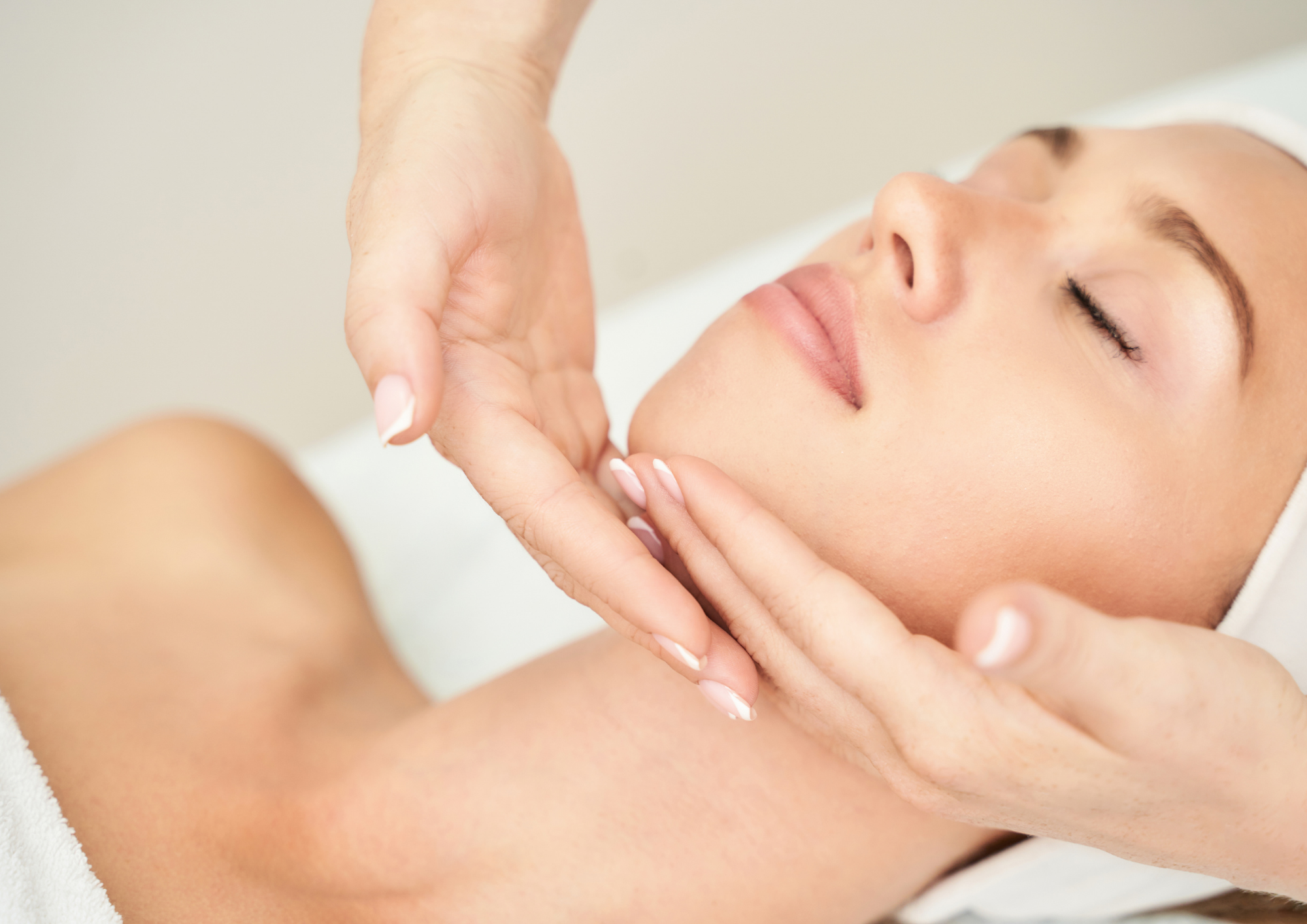
Customized facial treatments begin with an accurate assessment of the skin rather than a predetermined sequence of products and techniques.
Skin is not a static surface. Oil production, hydration, sensitivity, pigmentation, and congestion can change with the seasons, environment, medications, hormones, and home-care habits. A facial that felt appropriate several months ago may not address what the skin needs today.
This variability makes professional customization valuable. Instead of treating every client with the same protocol, an esthetician can adjust cleansing, exfoliation, hydration, and optional enhancements according to current conditions and realistic goals.
A useful facial consultation gathers information before products are applied. The esthetician should ask what the client wants to improve, examine visible conditions, and identify factors that could make a technique unsuitable.
Relevant information includes:
A client may describe the skin as dry when the underlying issue is irritation from excessive exfoliation. Someone who assumes they have sensitive skin may instead be reacting to a particular fragrance or active ingredient. Assessment helps distinguish between these possibilities without treating a cosmetic observation as a medical diagnosis.
A professional facial can be understood as a set of modules. The basic structure may include cleansing, assessment, exfoliation, hydration, and sun protection, but each component can be adjusted.
Customization may involve decisions about:
The strongest treatment is not necessarily the most aggressive one. A carefully limited protocol may produce a better experience for reactive or compromised skin than combining every available enhancement.
Exfoliation removes cells from the outer skin surface. It may improve how the skin feels and help address visible dullness or rough texture, but overuse can cause redness, dryness, irritation, and increased sensitivity.
The American Academy of Dermatology distinguishes between mechanical and chemical exfoliation. Mechanical methods use tools or particles, while chemical methods use ingredients such as alpha or beta hydroxy acids.
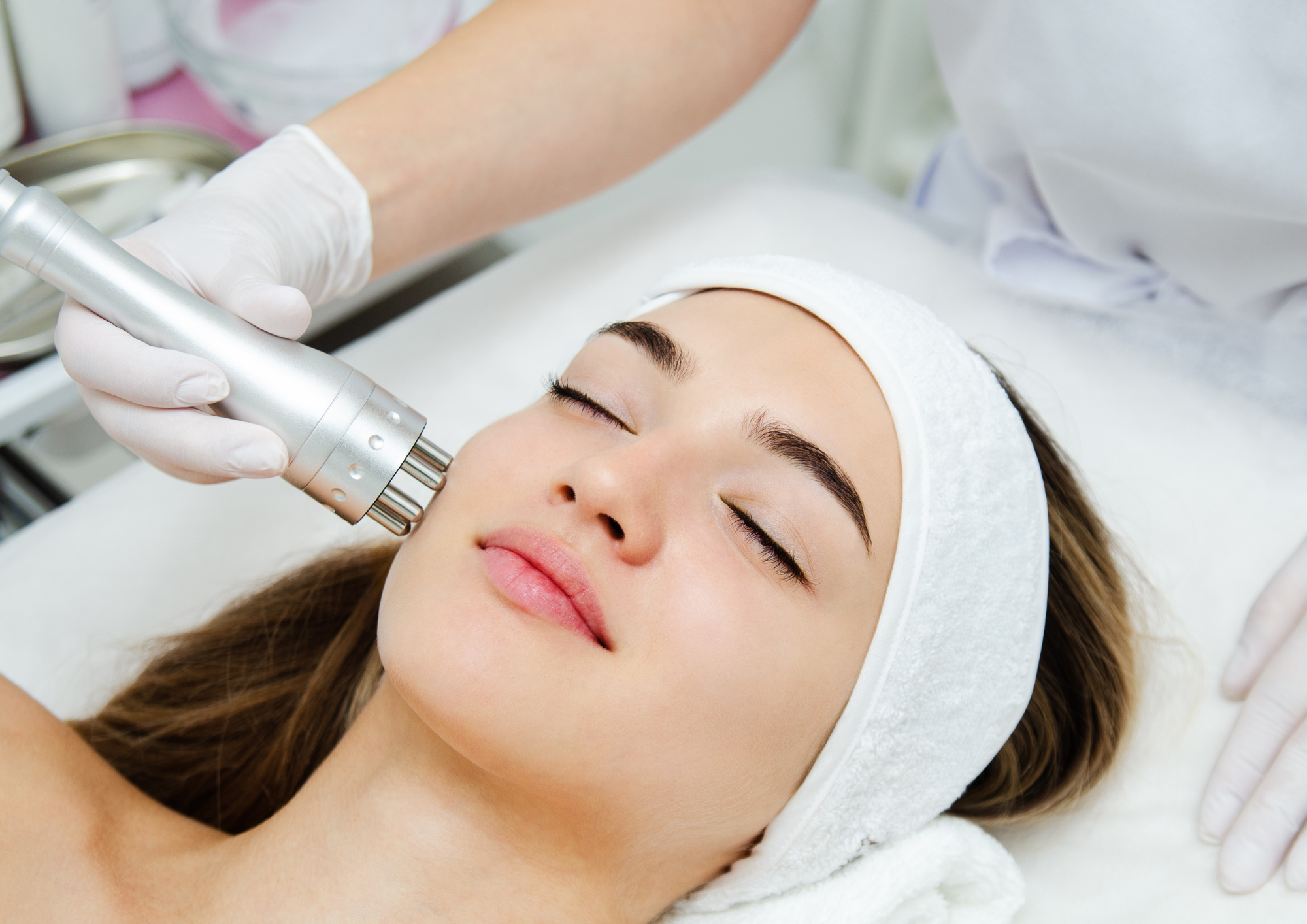
Mechanical methods physically polish the skin. Dermaplaning and microdermabrasion are professional examples, although their mechanisms and appropriate uses differ. Pressure, passes, and treatment area need to be controlled to avoid unnecessary irritation.
Clients using retinoids or exfoliating products at home should disclose them. Combining an intensive home routine with professional resurfacing may exceed the skin’s current tolerance.
Chemical exfoliation uses acids or enzymes to loosen surface buildup. The product type, concentration, application time, and skin condition all affect the response.
The FDA’s guidance regarding cosmetics containing alpha hydroxy acids addresses increased sensitivity to sunlight associated with some AHA products. Sun protection is therefore part of responsible exfoliation planning, not merely an optional step.
A professional-strength chemical peel should not be confused with a gentle exfoliating facial. The Mayo Clinic’s chemical peel overview explains that peel depth influences preparation, recovery, and risk. Possible complications can include pigment changes, scarring, infection, and cold-sore reactivation.
Traditional categories such as dry, oily, combination, and sensitive can be helpful, but they do not capture every relevant factor. Two people with oily skin may need different treatments if one has active inflammation and the other primarily has surface congestion.
A complete assessment may also consider:
Customization means responding to this broader profile instead of selecting a facial based on age or gender alone.
A professional product is not automatically suitable for every client. Fragrance, preservatives, botanical extracts, and active ingredients can trigger irritation or allergic reactions in susceptible individuals.
The FDA provides consumer information about allergens in cosmetics, including the importance of ingredient labeling and recognizing adverse reactions. Clients with known allergies should communicate them before the service and ask which products will be used.
Signs that a product may not be well tolerated include:
Temporary tingling may occur with certain professional products, but discomfort should never be ignored. The esthetician needs immediate feedback so the product can be removed or the protocol adjusted.
Facial enhancements should solve a defined problem rather than make the menu sound more impressive. Eye treatments, vitamin C products, high-frequency treatments, microdermabrasion, and enzyme exfoliation each have different functions and limitations.
Before adding an enhancement, ask:
The American Society of Plastic Surgeons discusses risks associated with skin-resurfacing procedures, including irritation, infection, scarring, and pigment changes. Microdermabrasion is less intensive than surgical dermabrasion, but its use should still be based on skin condition and professional judgment.
Diviniti Salon & Spa offers several facial formats in Matthews, North Carolina, including 30- and 60-minute Aveda Tulasara facials, classic facials, men’s classic facials, a back facial, chemical peels, dual exfoliation plant peels, dermaplaning, and skin mapping.
The menu also lists enhancements such as Aveda Restorative Eye Therapy, high-frequency treatment, microdermabrasion, enzyme-based plant peel options, and vitamin C serum. Because the service range includes both relaxing facials and more active exfoliation, clients should describe their goals and current routine before selecting a treatment.
A shorter facial may be appropriate for maintenance or a focused refresh. A longer format provides more time for assessment, customization, and multiple treatment stages. More time does not automatically mean more aggressive treatment.
Facials occupy the boundary between personal care and skin health. Estheticians can provide cosmetic skin services within their legal scope, but persistent rashes, painful acne, suspicious lesions, infections, or unexplained changes need medical evaluation.
The North Carolina Board of Cosmetic Art Examiners provides information about licensing, sanitation, inspections, and consumer protection. Clients can use the board’s online tools to review individual and salon license status.
A license establishes a regulatory baseline. Experience with a specific technique, continuing education, product knowledge, and the ability to recognize contraindications also contribute to service quality.
A facial lasts for a limited period, while home products interact with the skin every day. The most useful post-facial routine is usually simple and consistent.
The American Academy of Dermatology emphasizes gentle cleansing, moisturizing, and daily sun protection as foundational skincare habits. Adding too many active products at once can make it difficult to identify the cause of irritation.
After a facial, follow the instructions provided for the specific treatment. A practical routine may include:
Good skincare decisions require more than judging the skin immediately after a relaxing service. Temporary hydration and massage can make the face appear refreshed, but longer-term progress should be measured consistently.
Useful tracking methods include:
This information helps the esthetician refine future services. It can also help a dermatologist understand the pattern if a medical concern develops.
There is no universal schedule. Frequency depends on skin condition, treatment intensity, home care, goals, and budget. Stronger exfoliation generally requires more recovery time than a gentle hydrating facial.
Not necessarily. Hydrating and classic facials may produce little or no visible peeling. Certain chemical exfoliation treatments can cause flaking, but the expected response should be explained beforehand.
A facial may support cleansing and cosmetic care, but persistent, painful, or scarring acne should be evaluated by a dermatologist. Esthetic services should not replace medical diagnosis or treatment.
Mild temporary redness can occur, particularly after exfoliation or extractions. Redness that worsens, persists unexpectedly, or appears with swelling, blistering, or significant pain should be reported promptly.
Possibly, but compatibility depends on the skin and treatment intensity. Combining more services is not always beneficial. Each enhancement should have a clear purpose within the overall plan.
A personalized facial is not a fixed recipe assigned permanently to one skin type. It is a responsive process that considers the skin’s current condition, the client’s routine, product tolerance, and previous results.
Assessment provides the input, treatment selection creates the plan, and post-service feedback improves future decisions. When those stages work together, a facial becomes more than a temporary indulgence. It becomes a thoughtful part of a sustainable skincare routine.