Glaucoma Care Is a Long-Term Data Problem, Not a One-Time Test
Glaucoma Care Is a Long-Term Data Problem, Not a One-Time Test Glaucoma testing and management works best when it is treated as an ongoing measurement…

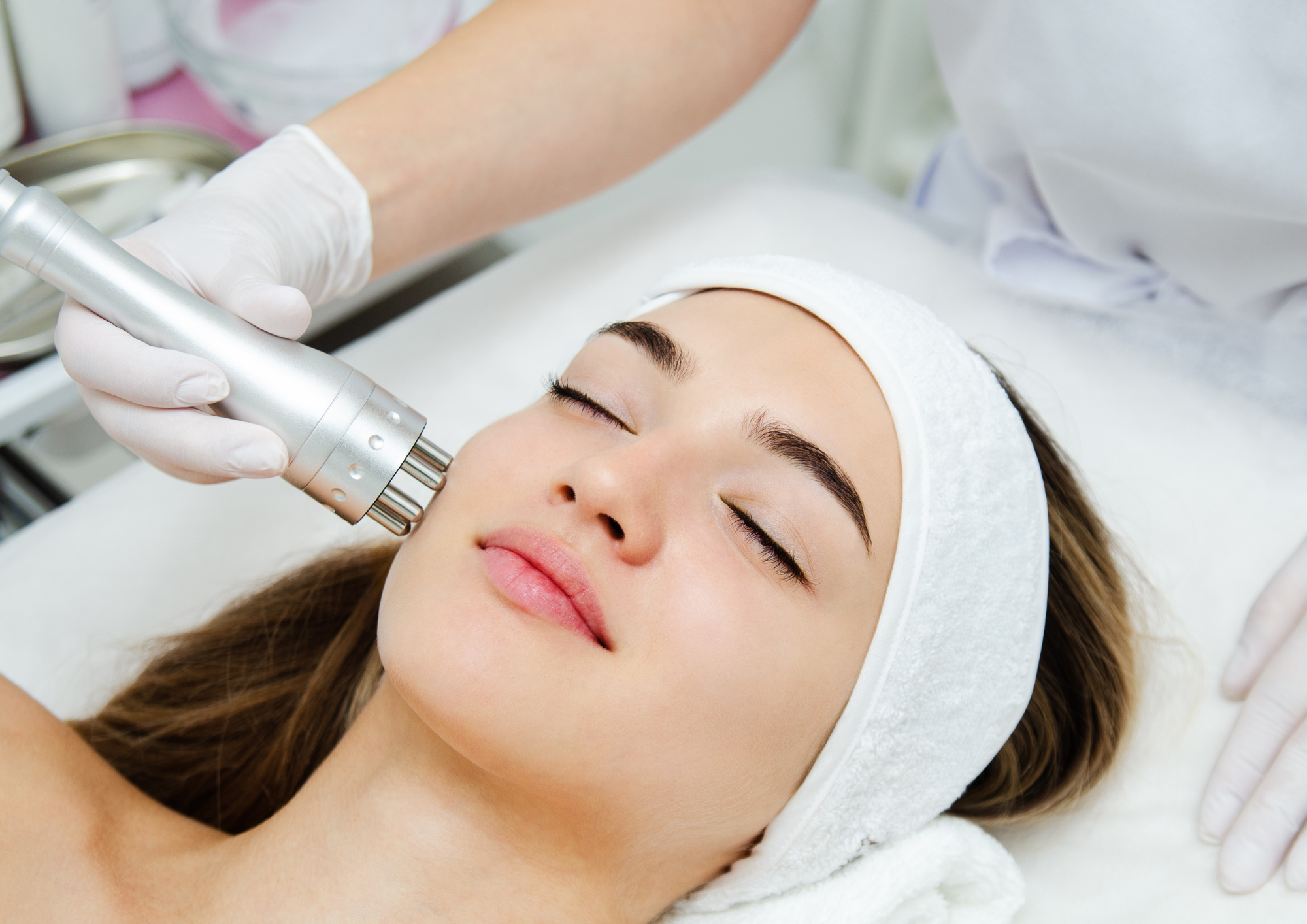
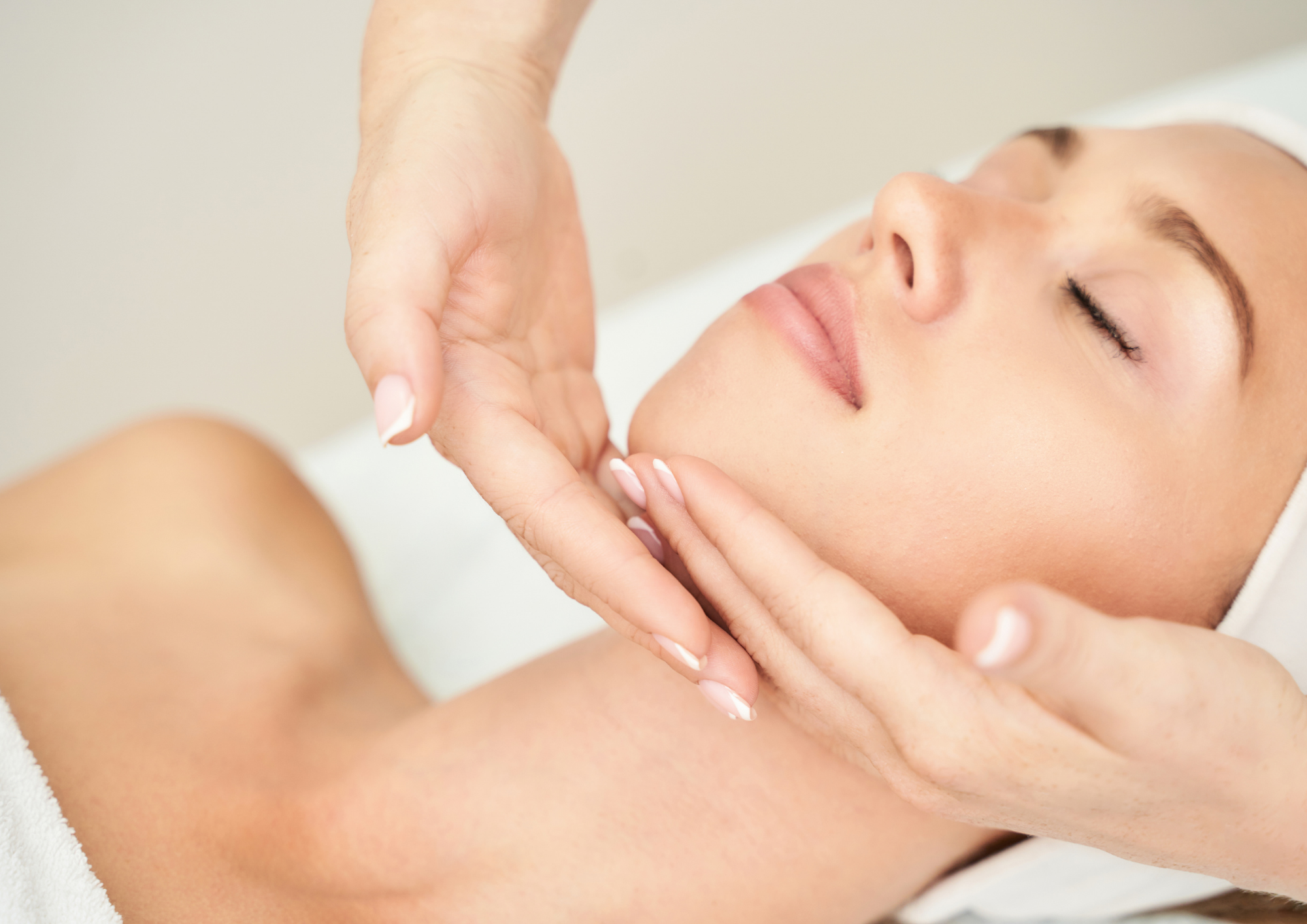
Customized microneedling services should be planned around the treatment area, skin condition, medical history, device settings, and the outcome a patient is realistically trying to achieve.
Radiofrequency microneedling is often presented as a single treatment, but it is better understood as a configurable medical procedure. Needle depth, energy delivery, treatment pattern, and the number of passes may be adjusted based on the device and clinical plan. This flexibility can be valuable, yet it also makes provider training and patient selection especially important.
Understanding how the technology works, what questions to ask, and which warning signs require attention can help patients make more informed decisions.
Traditional microneedling uses small needles to create controlled punctures in the skin. The body’s healing response can support new collagen formation over time. Radiofrequency microneedling adds a second component by delivering electrical energy through or near the needles, producing controlled heat within targeted tissue.
The combination means the treatment involves both mechanical and thermal effects. Adjusting one variable can change the overall tissue response, which is why the procedure cannot be reduced to simply choosing a stronger or weaker setting.
The American Academy of Dermatology’s microneedling overview explains that professional microneedling may be used to improve concerns such as acne scars, uneven texture, enlarged pores, fine lines, and certain forms of discoloration. The AAD also notes that RF microneedling adds heat and that results develop gradually as collagen forms.
Responsible customization begins with diagnosis and treatment planning, not with the device controls. The provider first needs to determine whether RF microneedling is appropriate for the concern and whether another approach would be safer or more effective.
Variables that may influence a treatment plan include:
The goal is not to use the highest available setting. An aggressive treatment may increase inflammation and recovery without necessarily producing a better outcome. A conservative approach may be appropriate for a first session, a sensitive area, or a patient with a greater risk of post-inflammatory pigment change.
Medical device terminology can be confusing. FDA clearance does not mean a procedure is free from complications or that every possible use of the device has been independently approved.
The Virtue RF platform appears in the FDA’s 510(k) premarket notification database. A 510(k) decision generally reflects that the device was found substantially equivalent to a legally marketed predicate device for its authorized indications.
Patients should ask for the full device name and discuss how the proposed treatment relates to its cleared indications. They should also ask who will operate it, what training that person has completed, and what protocols are used to reduce risk.
Consumers can check professional credentials through the Georgia Composite Medical Board’s license verification tool. Depending on the provider’s profession, another Georgia licensing board may also maintain relevant records.
RF microneedling should not be treated as a casual spa add-on. In October 2025, the FDA issued a safety communication about certain uses of RF microneedling devices after receiving reports of burns, scarring, fat loss, disfigurement, nerve damage, and injuries requiring medical or surgical intervention.
The agency advises patients to seek care from licensed healthcare providers with training and experience using RF microneedling devices. It also states that RF microneedling is a medical procedure and that these devices should not be used at home.
This guidance does not mean every treatment results in harm. It does mean that “minimally invasive” should not be interpreted as risk-free. Patients deserve a balanced discussion that includes common temporary reactions and uncommon but potentially serious complications.
The consultation functions much like a system check before the procedure begins. It identifies conditions that may require modifications, postponement, or referral to another medical professional.
Patients should disclose:
Patients should not stop prescribed medication based on generic online instructions. Any medication adjustment should be discussed with the prescribing clinician and the treatment provider.
Exact protocols vary, but an organized RF microneedling visit generally follows several stages:
Inject Savannah currently offers RF microneedling with the Virtue RF platform. Its published process includes topical numbing, device-based treatment, and an electro-current post-treatment mask. The service is presented for concerns such as fine lines, texture, and skin laxity, with consultation used to determine suitability.
Redness, warmth, swelling, sensitivity, and a sunburn-like sensation may occur after professional microneedling. The degree and duration vary by patient, settings, and treatment area.
The American Society for Dermatologic Surgery’s microneedling guidance provides additional context about preparation, the treatment process, and possible reactions. The American Society of Plastic Surgeons also lists potential risks associated with skin rejuvenation procedures, including infection, burns, scarring, delayed healing, and pigmentation irregularities.
Aftercare instructions should be specific to the procedure. Common priorities may include:
Patients should ask when they may resume their normal skincare routine rather than relying on a standard timeline found online.
Mild redness is different from a worsening burn, severe pain, blistering, or a new neurological symptom. Contact the treating provider promptly if the skin becomes increasingly painful, develops spreading redness, produces drainage, or shows signs of delayed healing.
Seek timely medical care for concerning symptoms such as:
The FDA encourages patients and providers to report device-related complications through its MedWatch system. Reporting helps regulators identify patterns and evaluate emerging safety concerns.
Initial redness or swelling should not be mistaken for the final result. Collagen remodeling occurs gradually, so meaningful changes may take weeks or months to evaluate.
Standardized photographs are more useful than casual selfies for monitoring progress. Ideally, images should use the same lighting, camera distance, facial position, and angle. Patients should also identify the metric they care about, such as texture, scar visibility, fine lines, or firmness, before treatment begins.
A systematic review indexed by the National Library of Medicine found that microneedling is generally associated with temporary reactions such as redness, discomfort, swelling, and skin flaking, while recognizing the need for attention to safety and technique. RF-based devices introduce thermal energy, so evidence about conventional microneedling should not be assumed to describe every RF treatment.
No. RF microneedling uses a medical device to place electrodes into or beneath the skin and deliver radiofrequency energy. The FDA specifically states that RF microneedling devices should not be used at home.
Microneedling may be used across a range of skin tones, but individual risk still varies. Settings, medical history, recent sun exposure, and susceptibility to pigment changes should be evaluated before treatment.
There is no universal number. The treatment area, concern, device protocol, response, and recovery determine whether a series is appropriate. Patients should be cautious of guaranteed outcomes based on a fixed package.
Multiple treatments may be part of a broader plan, but timing and sequencing matter. Ask the provider to explain why treatments are being combined, whether they will occur on the same day, and how the plan affects risk and recovery.
No. A person may resume routine activities relatively quickly and still experience redness, swelling, sensitivity, or other reactions. Rare serious complications have also been reported.
RF microneedling illustrates a broader principle in aesthetic medicine: advanced equipment does not replace careful assessment. The device supplies configurable capabilities, while the provider determines whether, where, and how those capabilities should be used.
Patients should evaluate the complete system, including credentials, device identification, treatment settings, infection control, consent, aftercare, and access to follow-up support. When those elements are handled responsibly, customization becomes more than a marketing phrase. It becomes a structured approach to matching a medical procedure with an individual patient.