Glaucoma Care Is a Long-Term Data Problem, Not a One-Time Test
Glaucoma Care Is a Long-Term Data Problem, Not a One-Time Test Glaucoma testing and management works best when it is treated as an ongoing measurement…

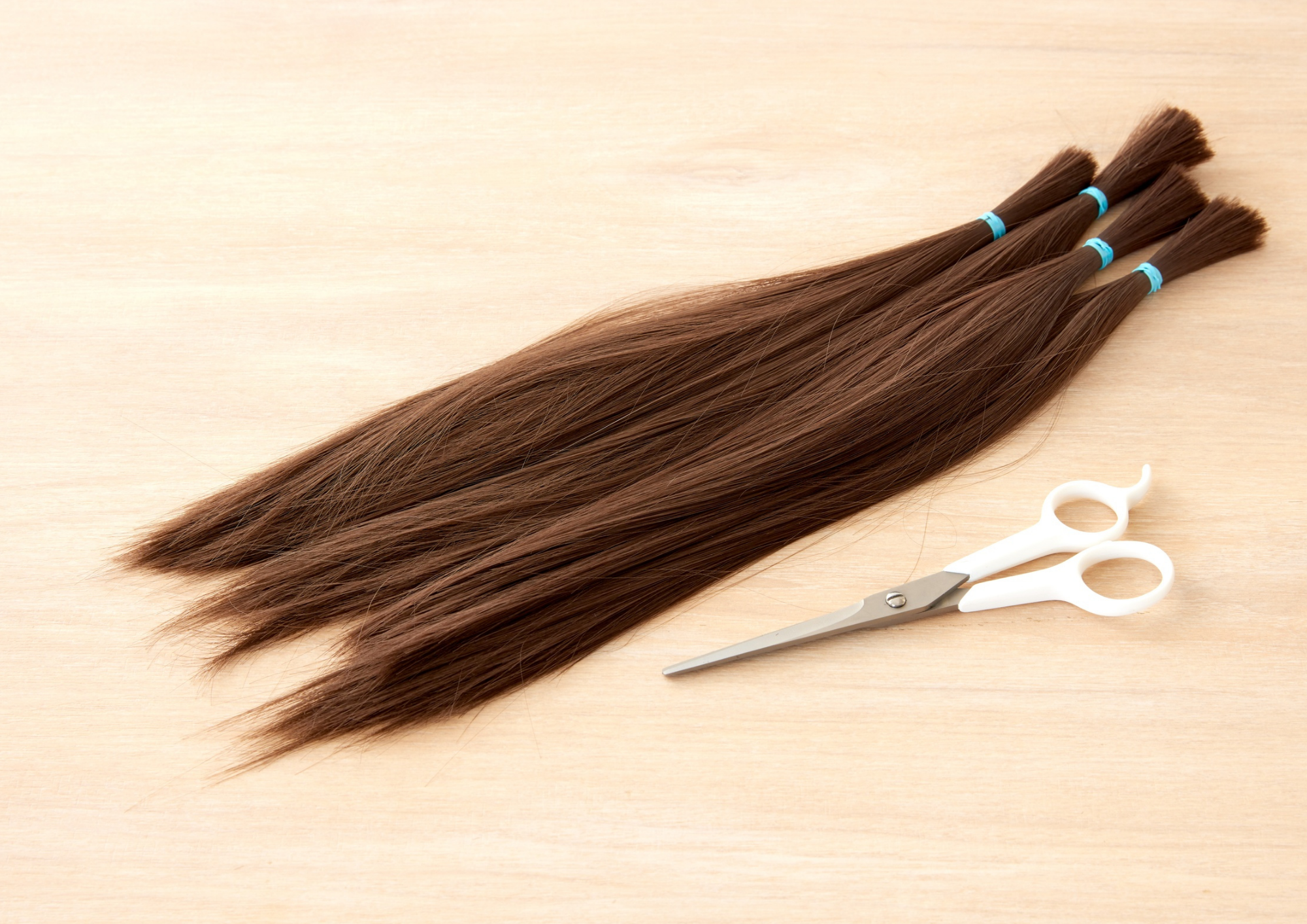
Seamless hair extensions depend on more than premium hair; the most convincing results come from careful assessment, precise placement, and a maintenance plan designed around the wearer.
Modern extension services resemble a customized system rather than a one-time beauty purchase. Each component matters, including the hair source, attachment method, color match, weight distribution, installation technique, and home-care routine. When those elements work together, extensions can add length or fullness without looking separate from the natural hair.
Understanding this process helps clients compare methods realistically and make decisions based on comfort, appearance, upkeep, and hair health.
In technology projects, weak input often produces weak output. Hair extensions follow a similar principle. A stylist cannot design an appropriate installation without first understanding the client’s natural hair and intended result.
A detailed consultation should evaluate:
These factors affect both the method and the amount of extension hair required. Fine hair may need discreet attachments and conservative weight, while dense hair may require more material to create a balanced perimeter. Someone seeking fullness around the sides may need a different placement plan than someone requesting a dramatic length transformation.
A consultation is also the right time to discuss realistic limitations. Extensions can enhance a haircut, but they should not be expected to conceal every form of breakage, active hair loss, or scalp irritation. When health concerns are present, evaluation by a qualified medical professional may be more appropriate before installation.
There is no universally superior extension technique. The best method is the one that fits the client’s hair characteristics, lifestyle, desired result, and willingness to maintain it.
Wefts consist of hair arranged along a continuous seam and attached in rows. They can be efficient for building significant volume and length, particularly when the natural hair has enough density to support and conceal the installation.
Placement is critical. Rows need to follow the head shape while allowing comfortable movement and balanced weight distribution. If the application feels painful, unusually tight, or persistently uncomfortable, the client should tell the stylist immediately rather than waiting for the sensation to resolve.
K-tip extensions use smaller individual bonds, giving the stylist flexibility to distribute strands throughout the hair. This approach may be useful around areas where customized movement, blending, or targeted fullness is needed.
Because the bonds are applied individually, installation can require more time. That additional labor supports detailed placement, but the final suitability still depends on the condition and density of the natural hair.
A customized plan may combine methods to solve different design requirements. A stylist might use one technique for fullness through the back and another for discreet blending near the sides. This modular approach can create a more natural outcome than treating every part of the head identically.
The Professional Beauty Association’s extension education overview reflects the range of methods and specialized training available to beauty professionals. Method-specific education matters because attachment, removal, and maintenance procedures are not interchangeable.
Natural hair rarely appears as a single flat color. Even an all-over brunette or blonde may contain warmer, cooler, lighter, and darker areas. For this reason, effective color matching often uses several tones rather than one uniform shade.
Stylists may evaluate color at the roots, mid-lengths, and ends under different lighting. They also consider where each extension shade will be placed. Lighter pieces can reproduce natural brightness, while deeper tones can create dimension and prevent the finished result from looking artificial.
Texture matters alongside color. Straight extension hair may not integrate well with a strong natural wave unless the client plans to heat-style frequently. Matching the movement pattern can reduce daily styling work and help the natural and added hair behave as one design.
An extension installation should not be judged by appearance alone. Comfort provides important information about whether the system is functioning properly.
The American Academy of Dermatology advises extension wearers to pay attention to pain, headaches, or excessive tightness. These signs can indicate that too much tension is being placed on the natural hair.
Repeated pulling may contribute to traction alopecia. A review indexed by the National Library of Medicine identifies the strength and duration of traction as important risk factors. Continuing to wear tight or heavy styles despite warning signs can increase the chance of lasting follicle damage.
Clients should contact their stylist if they experience:
Extensions should enhance daily life, not require someone to tolerate ongoing discomfort.
Installation is only the first stage of the extension lifecycle. Natural hair continues to grow, products accumulate, and attachment points move farther from the scalp. Scheduled maintenance allows the stylist to inspect the natural hair, correct placement, address tangling, and reposition or replace extension material when appropriate.
The required interval varies by method, growth rate, lifestyle, and home care. Clients should leave the salon knowing when to return and what type of maintenance will be performed. Waiting far beyond the recommended interval can make detangling and removal more difficult.
A List Salon offers weft, K-tip, and custom combination installations, as well as services such as bead move-ups, restringing, removal, and consultation-based planning. That menu illustrates an important point: a complete extension program needs support services after the initial transformation.
A simple routine usually performs better than a complicated one that is difficult to follow consistently. The stylist’s method-specific instructions should take priority, but several habits can support comfortable wear.
Heat still requires care. The American Academy of Dermatology recommends limiting excessive heat because it can damage hair. Use thermal protection and keep hot tools away from bonds or attachment materials unless the extension professional provides different instructions.
Hair-care products can affect both natural hair and extension performance. Oils, masks, and silicone-heavy formulas may be helpful in some areas but interfere with certain attachment methods when placed too close to the bonds.
The U.S. Food and Drug Administration provides consumer information about hair products, including cosmetic safety and reporting adverse reactions. Clients with known sensitivities should share them during the consultation and ask what products or attachment materials will contact their hair or skin.
Some hair-bonding adhesives may contain natural rubber latex. The FDA advises consumers with latex concerns to review ingredient information, speak with salon professionals, and contact manufacturers when necessary. Not every extension method uses adhesive, but allergy information is still an important part of responsible service planning.
Premium hair cannot compensate for weak placement or careless removal. Extension work requires sectioning accuracy, tension control, color judgment, cutting, finishing, and the ability to identify when a requested method is unsuitable.
Continuing education helps stylists keep pace with evolving techniques and products. The Professional Beauty Association maintains education resources for licensed professionals and salon owners, including technical and business development topics.
Consumers can also review the Kentucky Board of Cosmetology’s licensing requirements to understand the training and examination framework for cosmetology professionals in the state. Licensing does not replace method-specific extension education, but it provides an important baseline for professional practice.
Extensions are not automatically damaging, but excessive weight, poor placement, inadequate maintenance, or improper removal can create problems. A conservative plan, comfortable installation, and timely follow-up help reduce avoidable stress.
Yes. Strategic placement can improve density through the sides, perimeter, or other areas while keeping the existing length. This may require less added hair than a full transformation.
There is no single timeline. Longevity depends on the method, hair quality, natural growth, maintenance, styling habits, and whether the extension hair can be reused. Ask separately about the maintenance interval and the expected usable life of the hair.
Possibly, but alteration should be discussed before installation. Extension hair may react differently from natural hair, and lightening can be especially unpredictable. Beginning with an accurate professional color match is usually the more dependable strategy.
Removal may be appropriate when the recommended wear period ends, attachments become difficult to manage, or the scalp shows signs of stress. Professional removal is preferable because pulling or cutting attachments at home can damage natural hair.
Well-designed extensions are not defined solely by dramatic before-and-after photographs. They should blend from multiple angles, move naturally, feel comfortable, and remain manageable between salon visits.
The strongest results come from matching the method to the person, documenting a clear maintenance plan, and responding early to discomfort or changes. When consultation, installation, and aftercare operate as one coordinated system, added hair can look less like an accessory and more like a natural part of the overall style.