How to Choose the Best Optometrist in McKinney, TX for Your Long-Term Eye Health
Choosing the best optometrist in McKinney, TX involves more than finding a convenient location—it means selecting an eye care provider that combines clinical expertise, modern technology, and personalized patient care to help protect your vision for years to come.
Routine eye care plays a vital role in maintaining overall health. Comprehensive eye examinations can identify changes in vision, detect early signs of eye disease, and even reveal indicators of certain systemic health conditions. Understanding what to look for when selecting an eye care provider can help patients make informed decisions about their long-term visual health.
Why Comprehensive Eye Care Matters
Vision affects nearly every aspect of daily life, from learning and working to driving and enjoying hobbies. While many people seek eye care only when they notice blurry vision, regular comprehensive eye exams are recommended for individuals of all ages because many eye conditions develop gradually without noticeable symptoms.
According to the American Optometric Association, routine eye examinations help detect refractive errors, monitor eye health, and identify diseases such as glaucoma before permanent vision loss occurs.
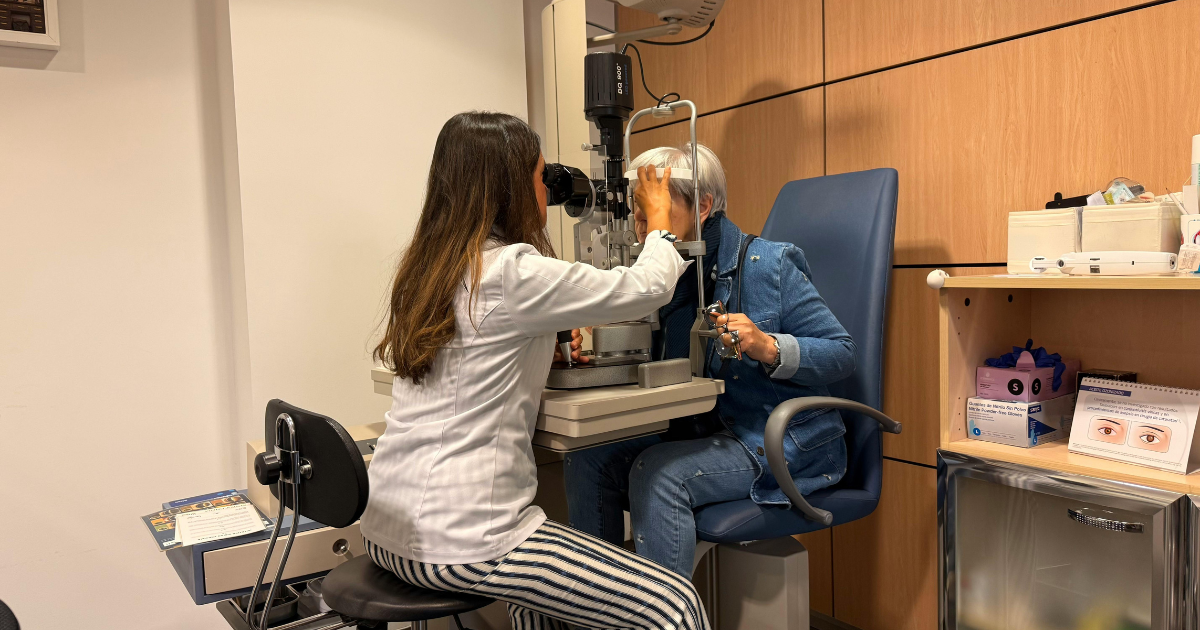
A comprehensive exam evaluates more than whether glasses or contact lenses are needed. Eye care professionals assess:
- Visual acuity
- Eye coordination
- Eye pressure
- Retinal health
- Peripheral vision
- Overall ocular health
What to Look for in an Eye Care Provider
Comprehensive Vision Services
A quality optometry practice should offer a wide range of services that address both vision correction and long-term eye health. This allows patients to receive consistent care throughout different stages of life without needing multiple providers.
Many practices provide services including:
- Comprehensive eye exams
- Contact lens evaluations and fittings
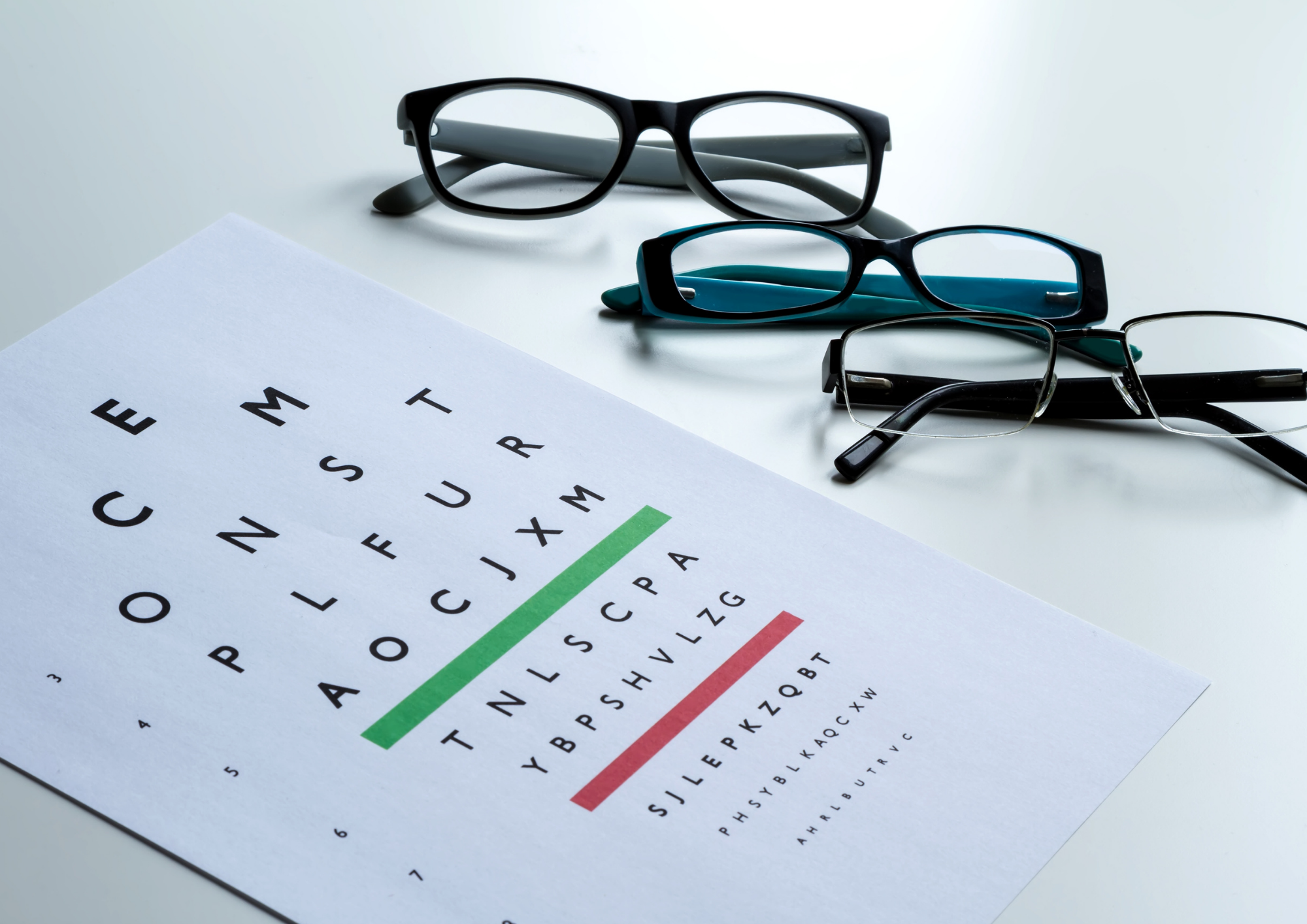
- Prescription eyeglasses
- Pediatric eye care
- Dry eye evaluations
- Diagnosis and management of common eye conditions
Modern Diagnostic Technology
Advances in diagnostic technology have significantly improved the ability to detect eye diseases earlier and monitor subtle changes over time. Digital retinal imaging, optical coherence tomography (OCT), and other advanced diagnostic tools provide detailed information that supports more accurate clinical decision-making.
The National Eye Institute explains that early diagnosis remains one of the most effective ways to reduce the risk of permanent vision loss from many eye diseases.
Individualized Patient Care
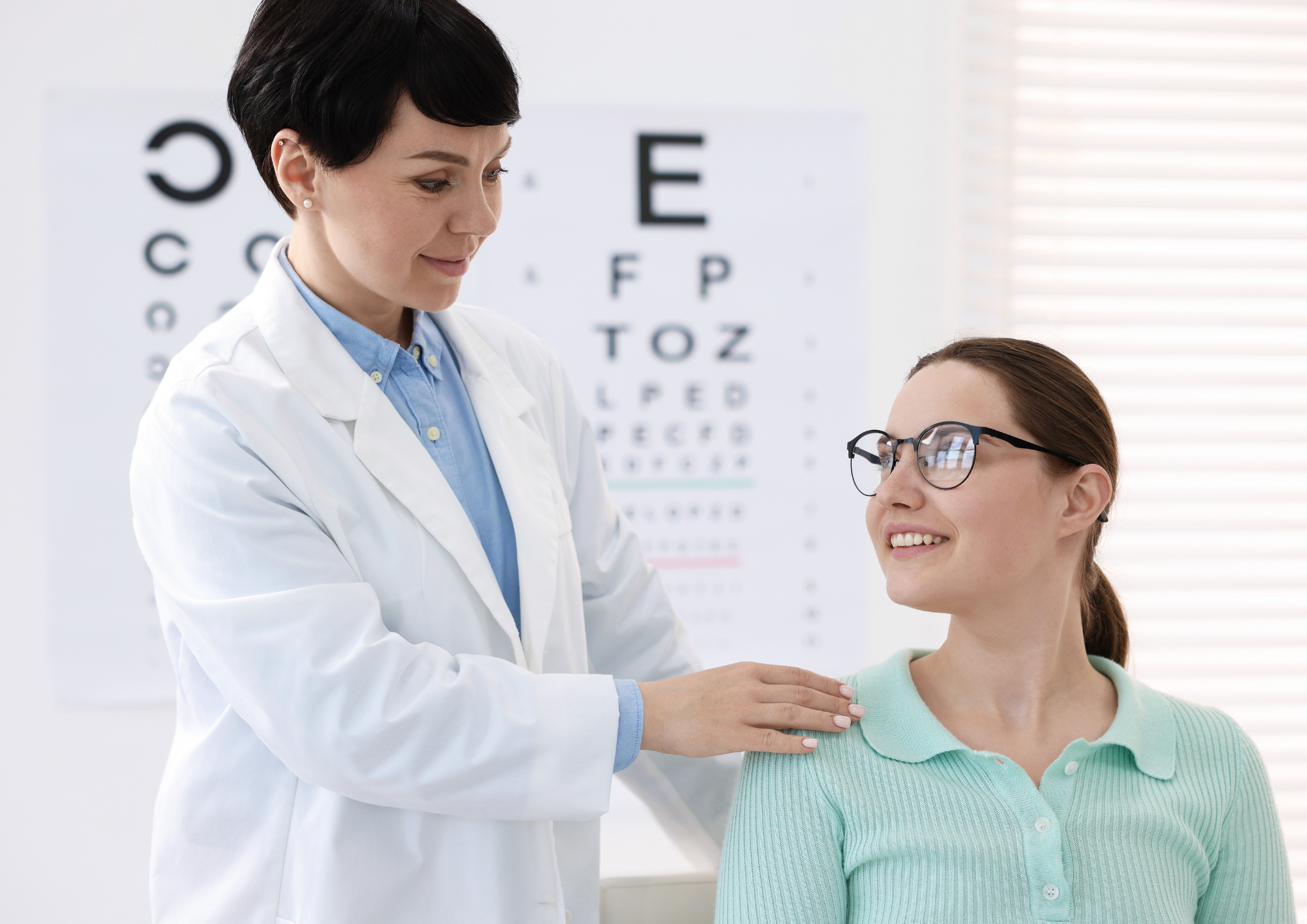
Every patient has unique vision needs based on age, occupation, lifestyle, medical history, and visual demands. Personalized recommendations help ensure treatment plans support both immediate vision correction and long-term eye health goals.
The Role of Preventive Eye Exams
Many common eye diseases develop silently. Conditions such as glaucoma, diabetic retinopathy, and age-related macular degeneration may not produce noticeable symptoms until vision has already been affected.
Routine examinations allow eye doctors to monitor changes before significant vision problems develop. Preventive care often leads to earlier intervention and improved treatment outcomes.
The Centers for Disease Control and Prevention (CDC) emphasizes that regular eye examinations are an important component of preventive healthcare, particularly for older adults and individuals with diabetes.
Digital Eye Strain Is Becoming More Common
Technology has transformed the way people work, learn, and communicate. However, increased screen time has also contributed to a rise in digital eye strain.
Common symptoms include:
- Eye fatigue
- Dry eyes
- Blurred vision
- Headaches
- Neck and shoulder discomfort
Eye care professionals frequently recommend practical strategies such as adjusting screen ergonomics, maintaining proper lighting, blinking more frequently, and following the 20-20-20 rule—looking at something 20 feet away for 20 seconds every 20 minutes.
Eyewear Is More Than Vision Correction
Prescription eyewear today serves both functional and lifestyle purposes. Lens technology has evolved to include options that improve comfort, enhance visual clarity, and protect eyes from environmental factors.
Patients may benefit from lenses designed for:
- Computer use
- Progressive vision correction
- Sun protection
- Blue light filtering
- Anti-reflective performance
- Scratch resistance
Selecting appropriate frames and lens materials also contributes to long-term comfort and durability.
Finding the Right Long-Term Eye Care Partner
Rather than viewing eye care as an occasional appointment, many patients benefit from establishing an ongoing relationship with an optometry practice that understands their evolving vision needs.
A trusted provider maintains historical records, monitors gradual changes, updates prescriptions appropriately, and recommends preventive care based on individual risk factors.
For individuals seeking personalized vision care, Redefined Eyecare provides comprehensive eye care services focused on helping patients maintain healthy vision through individualized evaluations, modern diagnostic technology, and customized treatment recommendations.
Questions Worth Asking Before Scheduling an Eye Exam
When comparing eye care providers, consider asking:
- What services are available under one practice?
- What diagnostic technology is used during comprehensive exams?
- Are pediatric and adult eye care offered?
- Can the practice assist with contact lenses and prescription eyewear?
- How often are comprehensive eye exams recommended?
Healthy Habits That Support Better Vision
Routine eye examinations are only one part of maintaining healthy eyesight. Daily habits also contribute to long-term ocular wellness.
- Wear sunglasses that block UV rays.
- Eat a balanced diet rich in leafy greens and omega-3 fatty acids.
- Take regular breaks during prolonged screen use.
- Manage chronic health conditions such as diabetes and hypertension.
- Avoid smoking whenever possible.
- Schedule routine comprehensive eye examinations.
The American Academy of Ophthalmology and Prevent Blindness both recommend preventive eye care as an important part of maintaining lifelong vision. Additional patient education is also available through MedlinePlus Eye Health.
Final Thoughts
Choosing an optometrist is an important healthcare decision that extends beyond updating a glasses prescription. Comprehensive eye care supports vision, identifies potential health concerns, and helps patients preserve their eyesight through every stage of life.
By selecting a practice that emphasizes preventive care, advanced diagnostic technology, and individualized attention, patients can feel confident they are investing in their long-term visual health. Regular eye examinations remain one of the simplest yet most valuable steps anyone can take to protect their vision and overall well-being.