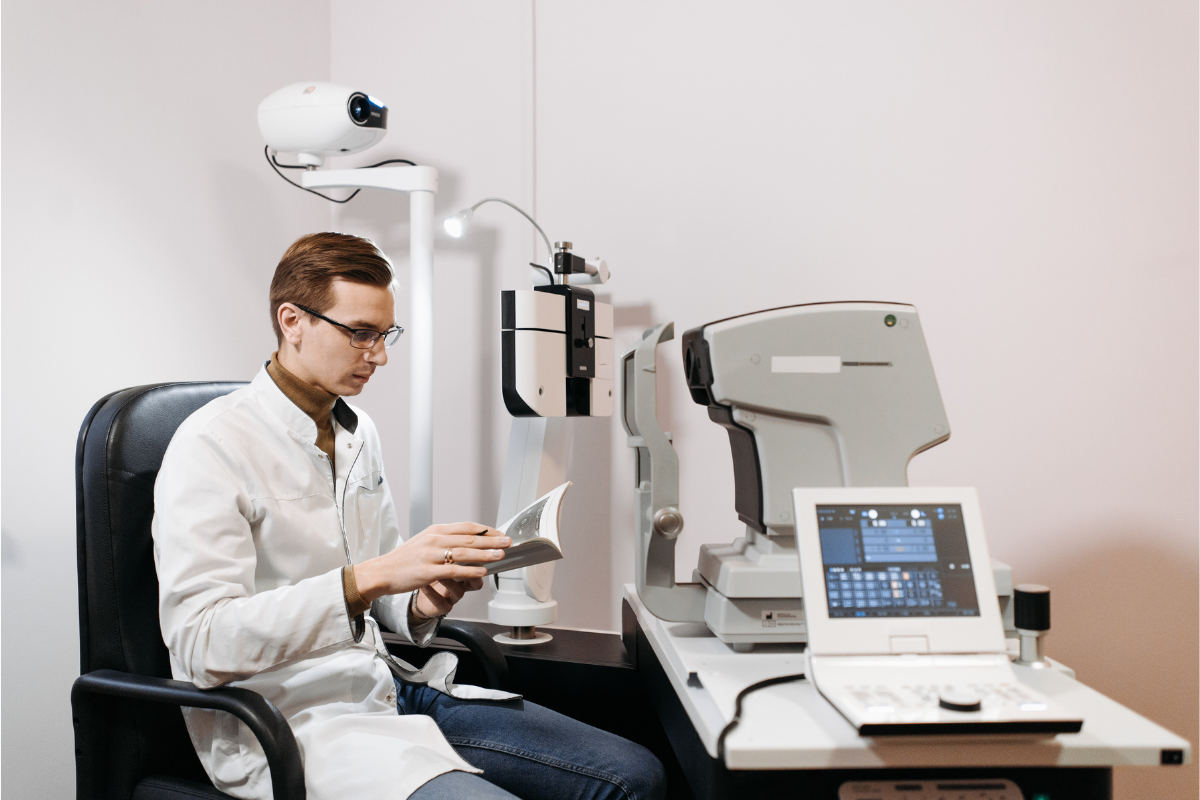
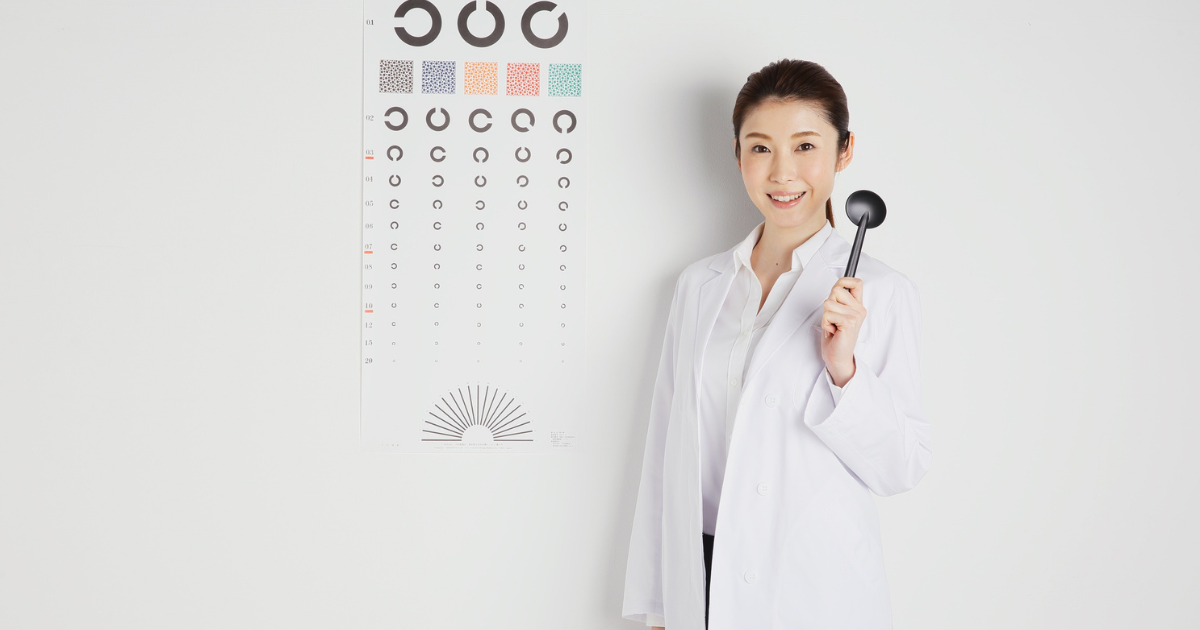
Modern eye care in Los Angeles increasingly combines professional clinical judgment with advanced diagnostic technology, creating a more detailed, efficient, and personalized experience for patients.
Optometry has always depended on careful observation and accurate measurement. What has changed is the amount of information eye doctors can now collect during an examination. Digital imaging, automated testing, advanced lens measurements, and electronic health records can help practitioners evaluate vision and ocular health with greater consistency.
Technology does not replace the optometrist. Instead, it provides additional data that the doctor can interpret alongside symptoms, health history, lifestyle, and previous examination findings. This partnership between technology and clinical expertise is shaping the future of preventive eye care.
Eye Exams Are Becoming More Data-Driven
A traditional vision test asks a familiar question: “Which is clearer, one or two?” That process remains useful, but a modern comprehensive examination may involve much more than determining a glasses prescription.
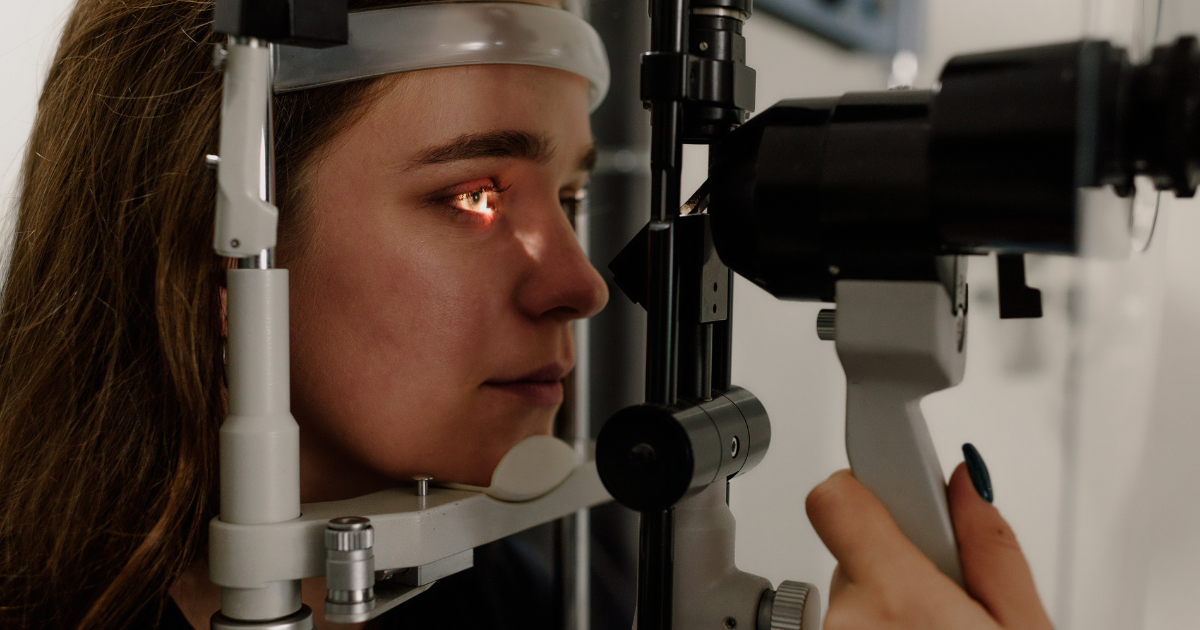
Depending on the patient’s needs, an optometry practice may use digital instruments to assess visual acuity, refractive error, eye pressure, corneal shape, retinal health, tear-film quality, or contact lens fit. These technologies can generate objective measurements that supplement the patient’s responses during the examination.
The result is a more complete clinical picture. A patient may visit because road signs have become difficult to read, yet testing could also reveal signs of dry eye, corneal irregularity, or another issue affecting visual quality. Technology allows the optometrist to investigate those possibilities rather than treating every complaint as a simple prescription change.
Digital Retinal Imaging Creates a Valuable Visual Record
The retina contains light-sensitive tissue responsible for converting visual information into signals the brain can process. It also contains blood vessels and other structures that may provide important information about ocular health.
Digital retinal imaging allows practitioners to capture detailed photographs of the back of the eye. These images can become part of the patient’s health record and may be compared with images from future visits. A single image represents one moment in time, but a sequence of images can help a doctor monitor whether an area remains stable or changes.
This longitudinal value is one of the most practical benefits of digital eye care. Memory and written notes remain important, but side-by-side images can make subtle differences easier to identify and explain.
Patients may also benefit from seeing their own retinal images. A doctor can point to the optic nerve, blood vessels, or other structures while discussing the findings. This visual approach can make an examination feel less abstract and help patients understand why follow-up care may be recommended.
Optical Coherence Tomography Adds Structural Detail
Optical coherence tomography, commonly known as OCT, is an imaging method that uses light waves to create cross-sectional views of eye tissue. It can display layers of the retina that cannot be evaluated through ordinary surface observation alone.
The National Eye Institute describes OCT as a transformative technology with an important role in eye care and vision research. Its structural images can support the evaluation and monitoring of conditions affecting the retina and optic nerve.
Research continues to make this type of imaging more accessible. One NEI-funded automated OCT project incorporated contactless scanning, robotic alignment, and motion correction. Developments like these demonstrate how engineering can make sophisticated testing easier to perform in a wider range of clinical settings.
OCT does not independently provide a diagnosis. The images must be reviewed in context by a qualified eye care professional. Their value comes from giving that professional additional structural information to consider.
Corneal Mapping Supports More Personalized Care
The cornea is the transparent front surface of the eye. Even small differences in its shape can affect how light is focused and how a contact lens fits.
Corneal mapping technology measures the curvature or elevation of different areas across the corneal surface. The resulting color-coded map can help an optometrist identify irregular patterns that may not appear through ordinary prescription testing.
These measurements can be especially valuable when evaluating patients with keratoconus, significant astigmatism, previous eye surgery, or difficulty wearing standard contact lenses. Rather than relying only on a general measurement, the practitioner can use more detailed information when selecting or designing a lens.
For patients, this represents an important shift toward personalization. Two people may have similar prescriptions but very different corneal shapes, tear-film conditions, occupations, and visual expectations. Technology helps the doctor account for those differences.
Dry Eye Testing Is Moving Beyond Symptoms Alone
Dry eye can be difficult to evaluate because symptoms do not always match the visible severity of the condition. One patient may report intense discomfort despite relatively mild surface changes, while another may show significant findings but describe few symptoms.
Modern assessments can examine factors such as tear production, tear stability, evaporation, eyelid function, and the condition of the ocular surface. These measurements help practitioners investigate why the eyes feel dry rather than assuming every patient needs the same type of eye drop.
The National Eye Institute explains that dry eye may occur when the eyes do not produce enough tears or when the tears fail to work properly. This distinction matters because different causes may require different management strategies.
A more data-driven evaluation can support personalized recommendations involving environmental changes, contact lens habits, lubricating products, prescription treatments, or additional procedures when appropriate.
Technology Is Improving Contact Lens Fitting
Contact lenses are medical devices that must interact safely with the eye’s surface. A contact lens examination therefore involves more than choosing the correct prescription strength.
Digital measurements can help the optometrist evaluate corneal shape, lens movement, centration, and the relationship between the lens and the eye. These details may improve the fitting process for patients who have astigmatism, presbyopia, keratoconus, dry eye, or other needs that make standard lenses less successful.
Technology can improve fitting accuracy, but healthy behavior remains essential. The Centers for Disease Control and Prevention advises wearers to wash and dry their hands before handling lenses, use fresh disinfecting solution, keep lenses away from water, and replace their cases regularly.
Even decorative lenses require professional oversight. According to the U.S. Food and Drug Administration, colored and costume lenses are regulated medical devices and require a valid prescription, including proper measurements and professional fitting.
Artificial Intelligence Is Emerging as a Clinical Support Tool
Artificial intelligence is receiving significant attention throughout health care, including optometry and ophthalmology. In eye care, AI systems can be trained to analyze large numbers of images and identify patterns associated with particular conditions.
The FDA has already permitted the marketing of an AI-based device designed to detect certain diabetes-related eye problems. This development illustrates how automated analysis may support screening and expand access to earlier evaluation.
AI-assisted technology may eventually help practices organize imaging data, flag areas for further review, and recognize patterns that deserve attention. However, responsible use requires appropriate validation, patient privacy safeguards, and clear understanding of the technology’s limitations.
The FDA maintains information about artificial intelligence-enabled medical devices, reflecting the growing role of software in clinical care. These systems should be viewed as support tools rather than substitutes for a doctor’s judgment, patient communication, and individualized decision-making.
Better Technology Should Lead to Better Communication
The most advanced equipment has limited value if patients leave an appointment confused. Successful implementation depends on how well a practice translates technical findings into understandable recommendations.
Images, measurements, and digital comparisons can strengthen that conversation. Instead of simply telling a patient that something has changed, the doctor may be able to demonstrate the change and explain what it means. This can help patients make more informed decisions about glasses, contact lenses, treatment, monitoring, or referrals.
Eye Geeks Doctors of Optometry reflects this combination of technology and personal care from its Downtown Los Angeles practice. Its services include eyeglass and contact lens examinations, dry eye evaluations, keratoconus examinations, myopia management, urgent red-eye care, LASIK co-management, personalized eyewear styling, and access to an on-site optical lab.
The Future of Optometry Is Both Technical and Personal
Eye care technology will continue to develop, but the goal should remain practical: obtain useful information, identify concerns earlier, personalize recommendations, and help patients understand their vision.
Digital imaging, corneal mapping, OCT, automated measurements, and artificial intelligence can all contribute to that goal. Their effectiveness, however, depends on the expertise of the professional interpreting the results and the quality of the relationship between the patient and the practice.
The future of optometry is not simply a collection of smarter machines. It is a more connected approach in which accurate data supports thoughtful clinical decisions. When technology and personal care work together, patients receive an experience that is not only more advanced but also more relevant to their everyday lives.